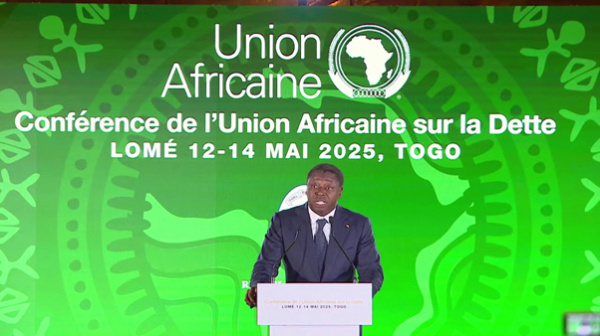
The leaders committed to “strengthen measures to curb corrupt borrowing and lending, including by enhancing domestic legal frameworks as appropriate, including clarifications regarding the authority to borrow, and fully utilizing UNCAC and its Conference of the State Parties to explore options to make such contracts unenforceable. We will establish a platform for borrower countries with support from existing institutions, and a UN entity serving as its secretariat.
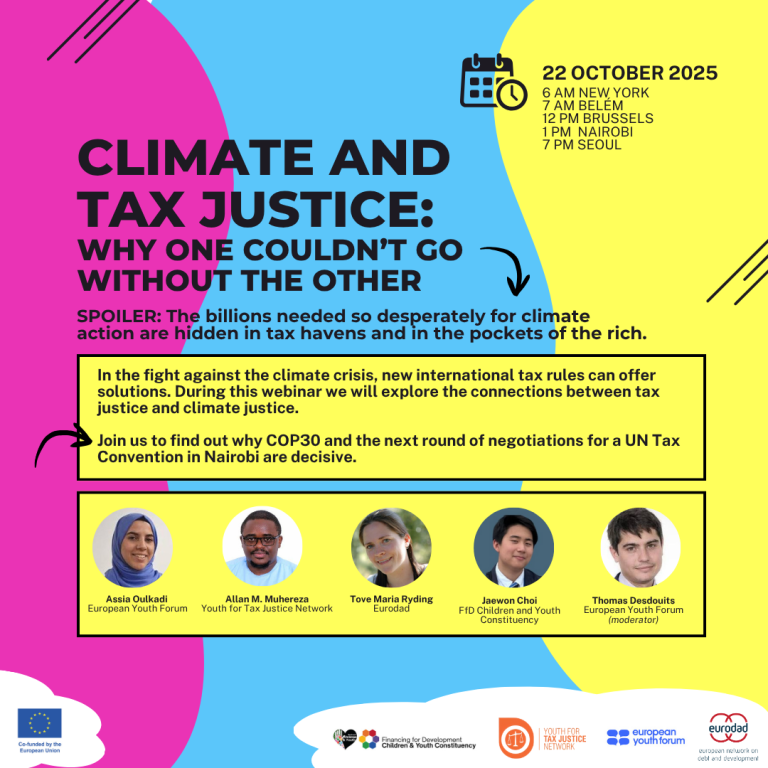
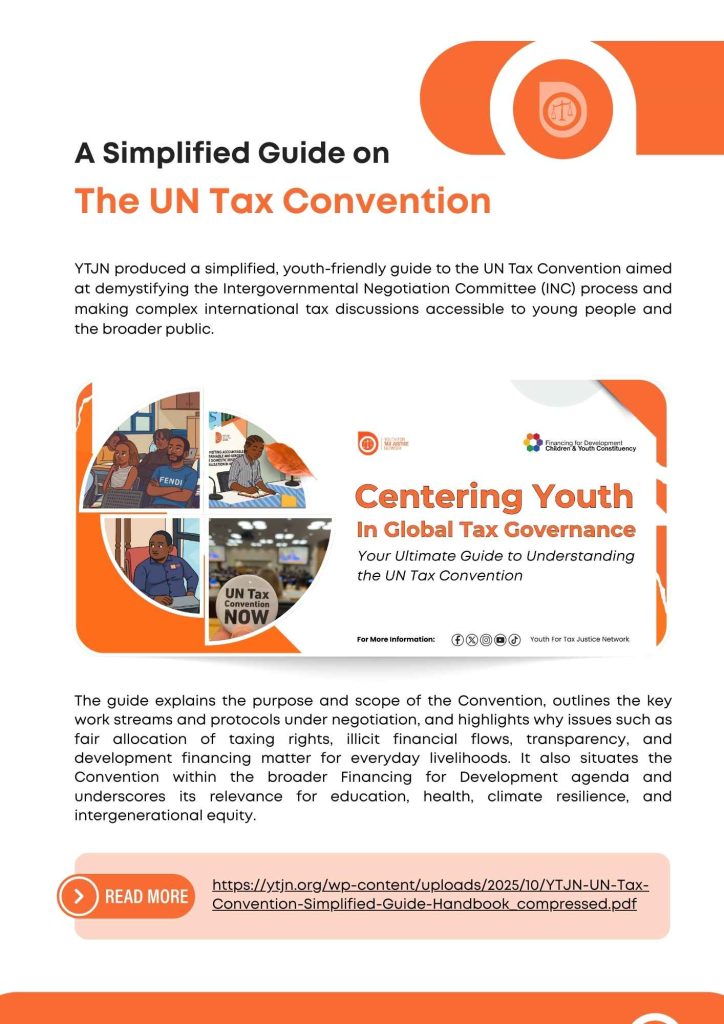
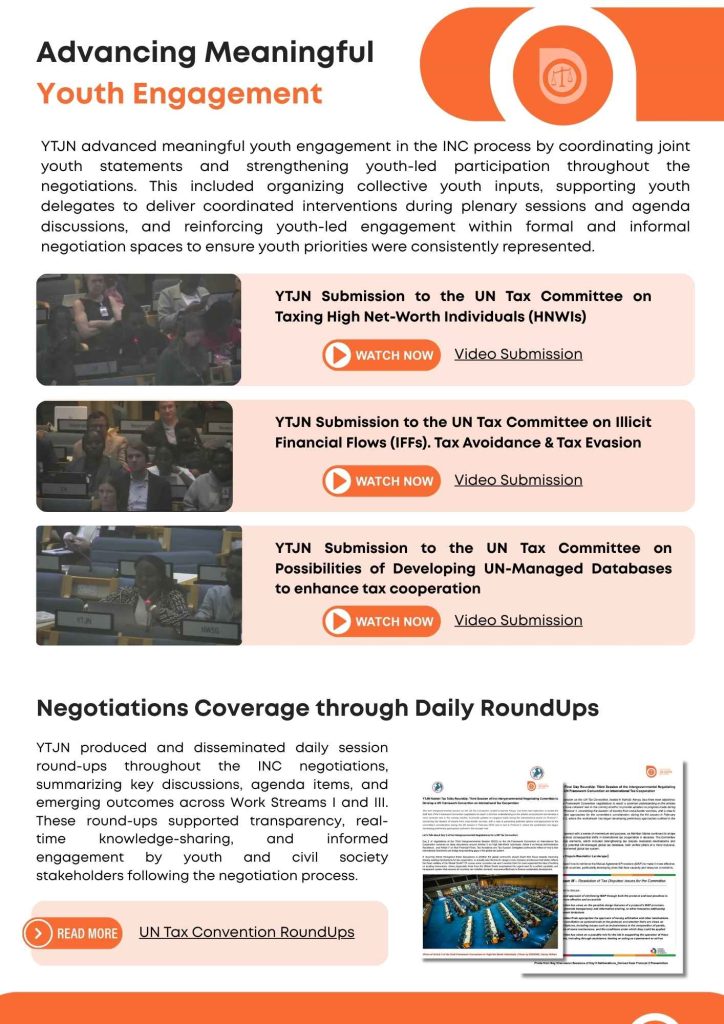
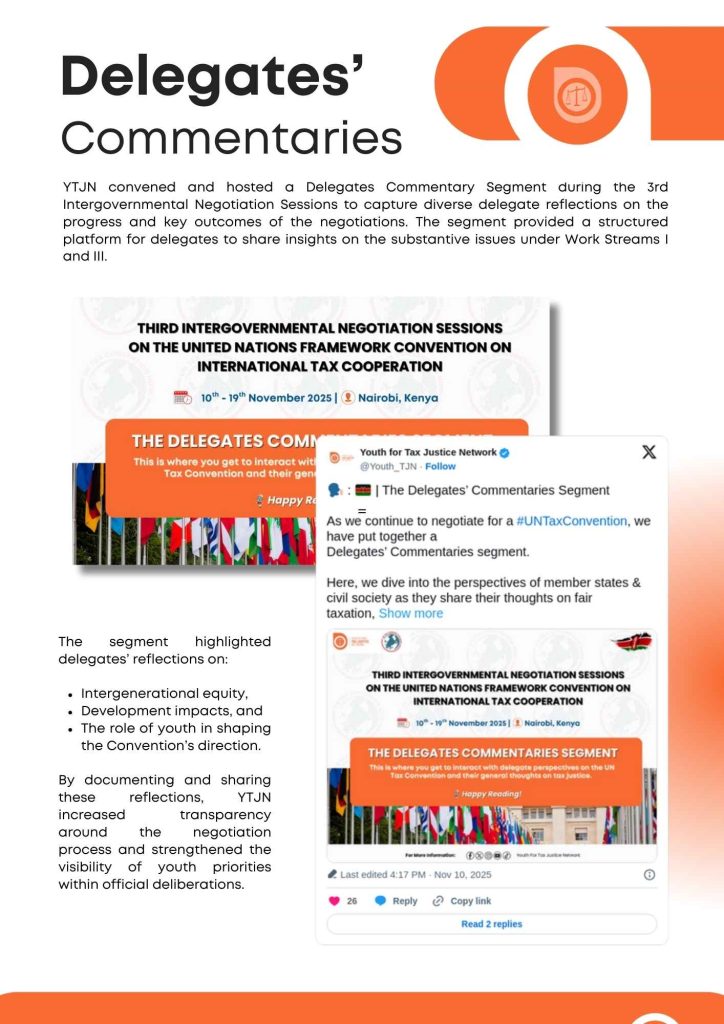
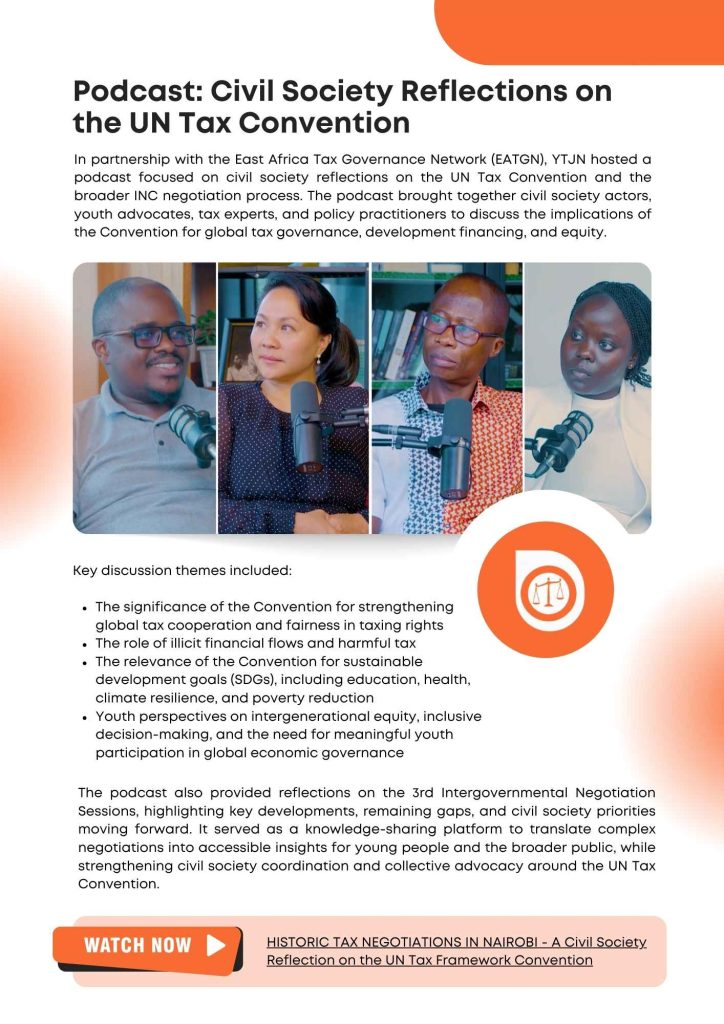
This November, young people from across the world come together to explore an urgent connection that few are talking about: how the UN Climate Conference (COP 30) in Belém and the UN negotiations for a Framework Convention on International Tax Cooperation in Nairobi are part of the same story.
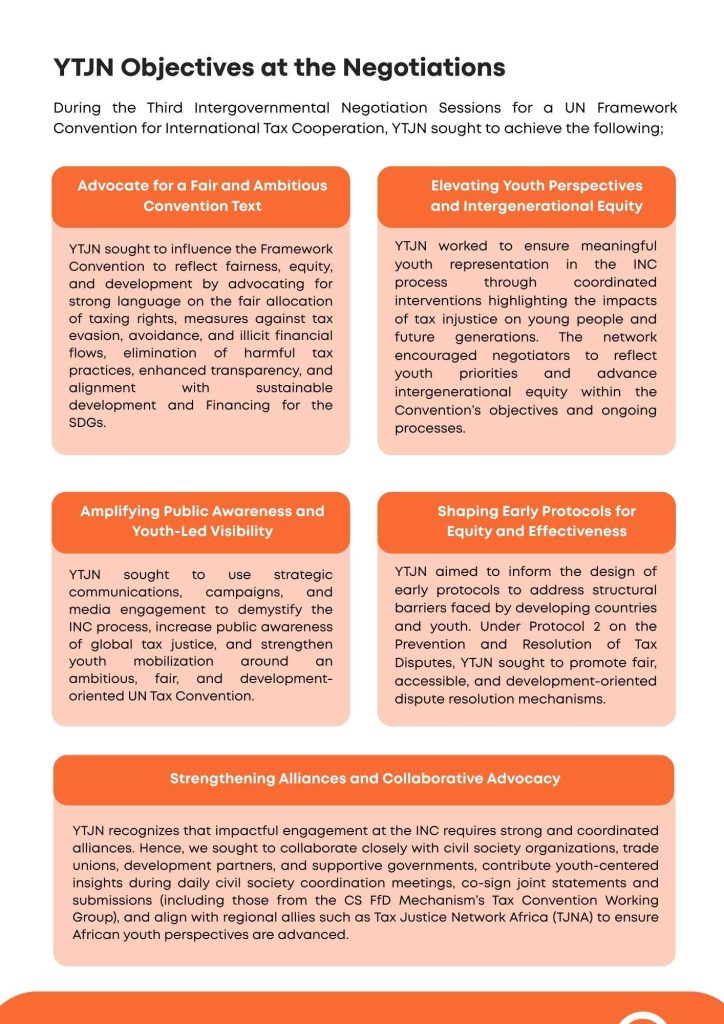
As the Harare Declaration states, the African youth bulge as an engine for the continent’s structural transformation agenda is at risk of being a missed opportunity due to being saddled with accumulated debt, while potentially being locked out of accessing finance that is desperately needed to invest in them, and making them carry the burden of a mortgaged future. Instead of investing in our potential, governments are forced to divert billions to creditors, too often to lenders who prioritise profit over people. This is not only an economic imbalance; it is a generational betrayal. We thus demand debt and tax justice that put people and the planet first.
Download Full Declaration
Apart from engaging in activism and lobbying, young people in the SADC area also use community-based projects to advance social justice and human rights. Numerous youth in the neighborhood participate in community-based initiatives that support social justice and human rights, especially in the fields of economic empowerment, health, and education.
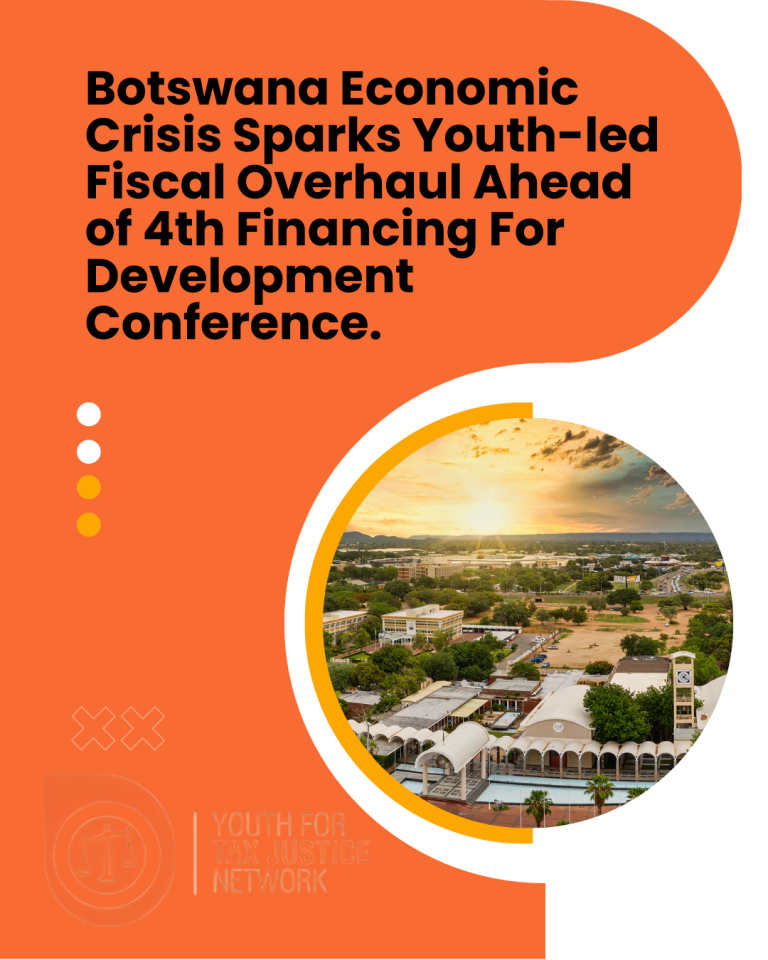
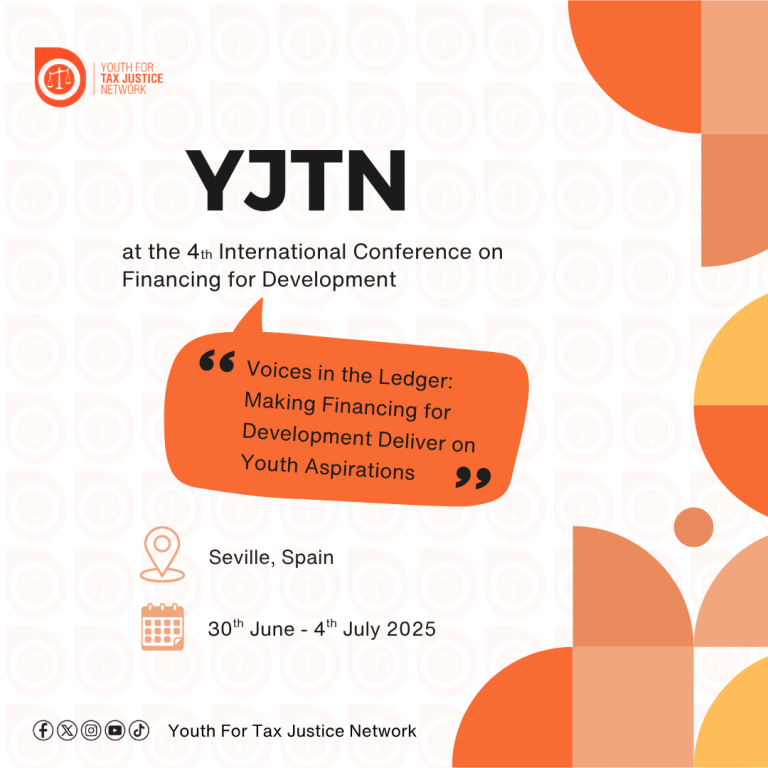
As Batswana grapple with a BWP 22 billion budget deficit (9% of GDP in 2024), rising public debt of 27.4% of GDP, squeezing funds for youth-centric programs and youth unemployment at 43.86%, underscoring the urgency of prioritizing job creation and social services for the nation’s youth-dominated population (70% under 35), the FfD4 presents an opportunity for Batswana to redefine global rules on sovereign debt, a critical issue for Botswana as diamond revenue volatility strains public finances.