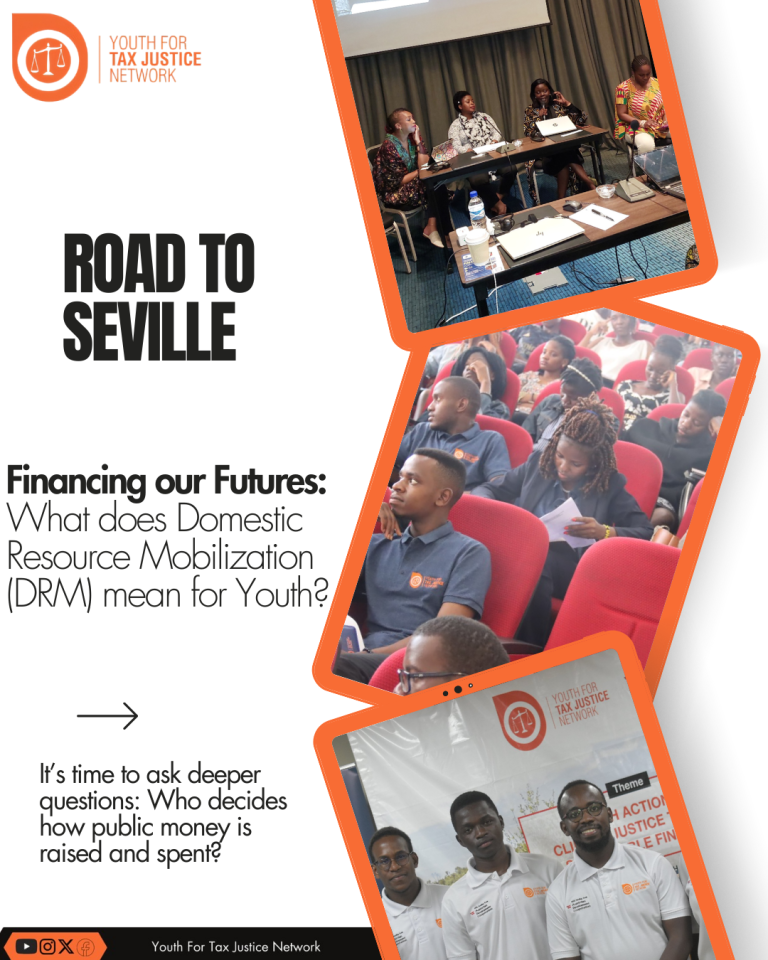
Youth should care. The main reason is because we’re paying, but not heard. Africa is the youngest continent in the world, with over 60% of its population under the age of 25. Yet despite being the majority, young people are among the most heavily taxed, especially through consumption taxes such as VAT on airtime, mobile money, transport, and everyday goods.
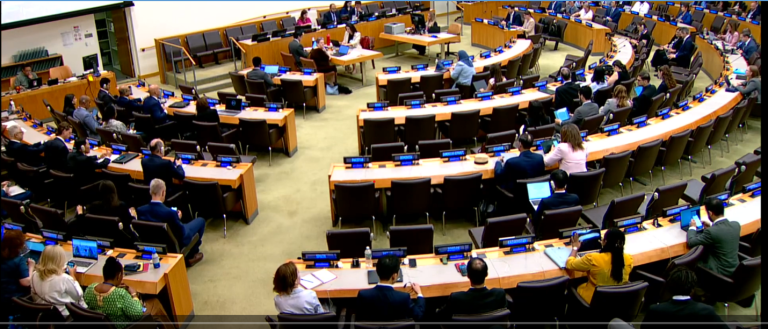
For young people across Africa and the world, these negotiations represent more than just policy debates. They offer an unprecedented opportunity to shape an economic future focused on intergenerational equity, where every resource counts, and where fiscal justice becomes a tool for equality, innovation, and opportunity.
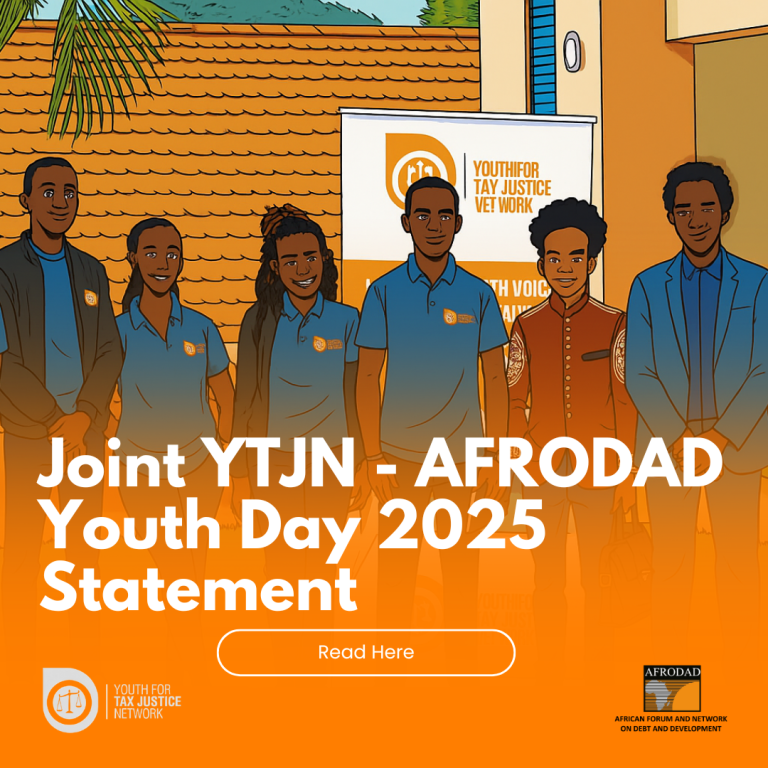
As the Harare Declaration states, the African youth bulge as an engine for the continent’s structural transformation agenda is at risk of being a missed opportunity due to being saddled with accumulated debt, while potentially being locked out of accessing finance that is desperately needed to invest in them, and making them carry the burden of a mortgaged future. Instead of investing in our potential, governments are forced to divert billions to creditors, too often to lenders who prioritise profit over people. This is not only an economic imbalance; it is a generational betrayal. We thus demand debt and tax justice that put people and the planet first.
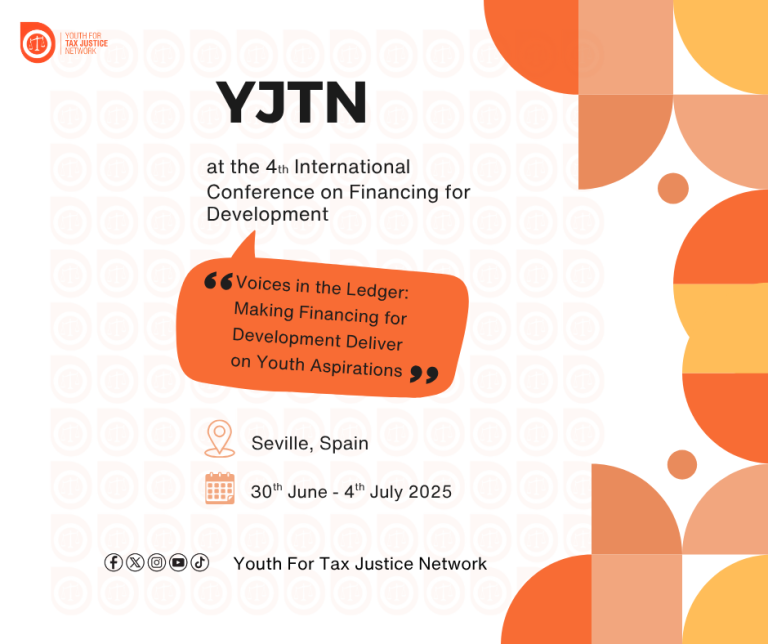
The Youth for Tax Justice Network (YTJN), in collaboration with partners including, Africa-Europe Foundation and the Southern Africa Youth Forum (SAYoF) is spearheading a side event at the Fourth International Conference on Financing for Development (FfD4).
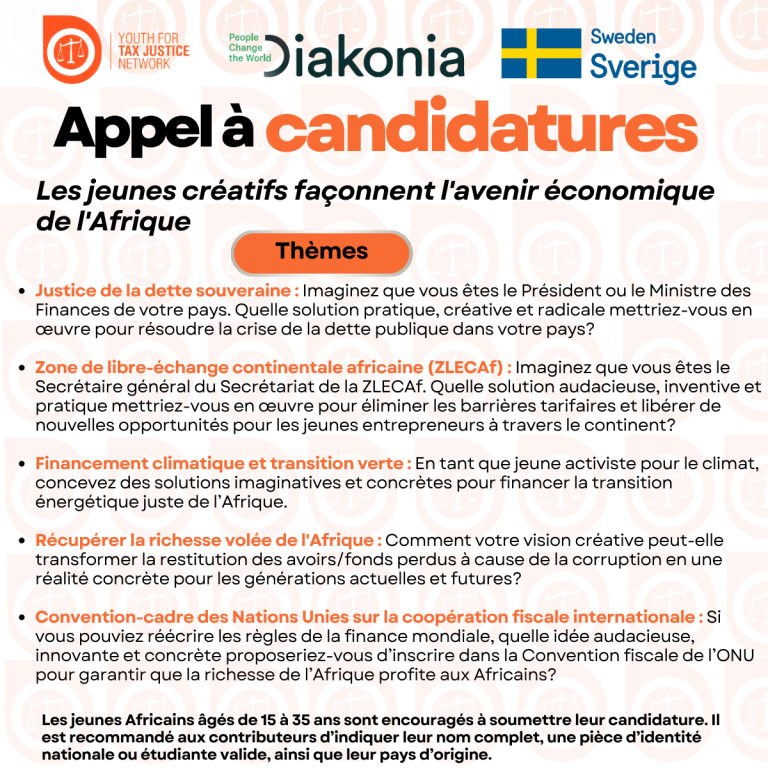
C’est dans cette optique que le Youth for Tax Justice Network (YTJN) propose le Concours Panafricain de Jeunes en Arts Créatifs, une initiative qui vise à mobiliser la créativité de la jeunesse africaine afin de stimuler des idées novatrices et une prise de conscience populaire sur des enjeux clés de la gouvernance économique tels que la dette souveraine, la ZLECAf, le financement climatique, la récupération d’actifs et la Convention-cadre des Nations Unies sur la coopération fiscale internationale.

Fiscal discipline reduces unsustainable debt levels, freeing resources for investments in sectors like agriculture, tech, and green industries, which are critical for youth employment.