

Similar Posts
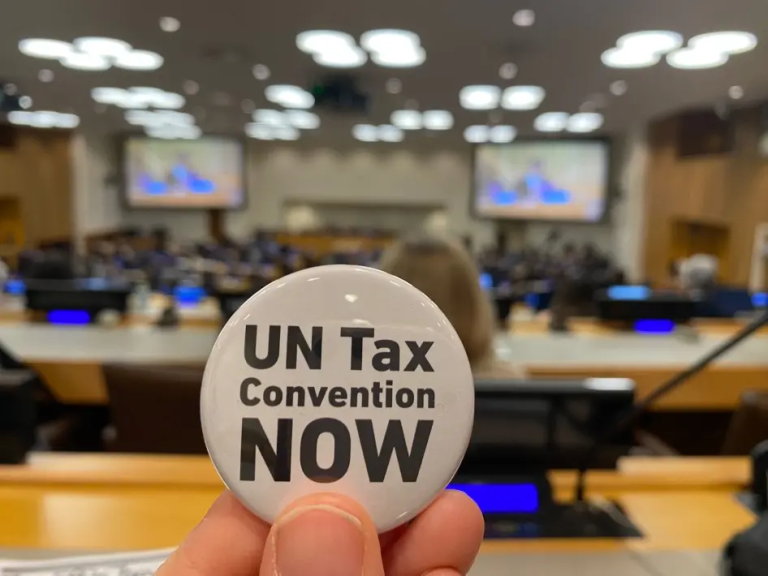
YTJN Nairobi Tax Talks RoundUp: Third Session of the Intergovernmental Negotiating Committee to Develop a UN Framework Convention on International Tax Cooperation
For youth participants, we see a distinct perspective, emphasizing that the current tax system often leaves Global South countries underfunded, limiting investments in youth employment, education, and digital access. We continue to highlight that failing to adapt taxation to modern digital economies risks perpetuating inequalities: large digital corporations operating in developing countries can avoid paying fair shares, while young entrepreneurs face regulatory burdens that stifle innovation. Civil society representatives reinforced these points, calling for tax rules that account for historical disparities between wealthy and developing nations. Discussions reflected a tension between protecting traditional national revenue sources and reforming systems to ensure equitable contributions from globalized business models.
Moving from Echoes to Action
A key discussion point was the looming public debt crisis, driven more by domestic borrowing than external sources. This inward borrowing approach has the unintended effect of shrinking fiscal space and crowding out essential public services.
The Power Of The Pursue
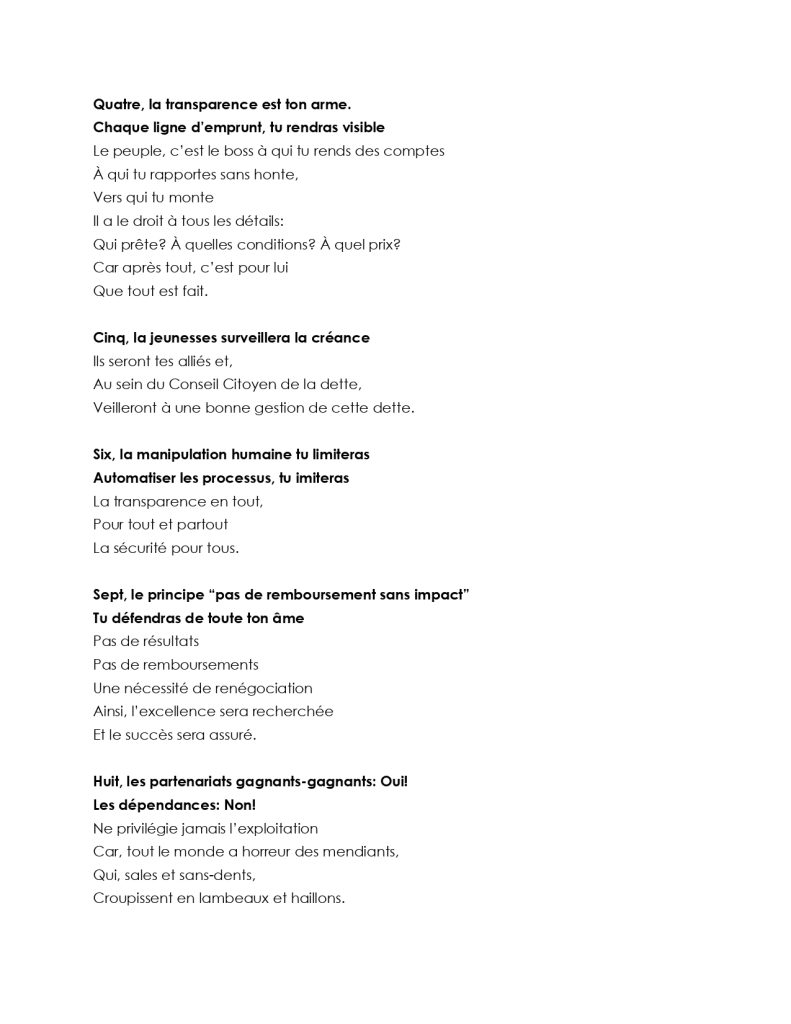
We’ve slid but shouldn’t accept to fall! I went to the garden and the flowers Were busy singing…
Outcome document of the Fourth International Conference on Financing for Development
The leaders committed to “strengthen measures to curb corrupt borrowing and lending, including by enhancing domestic legal frameworks as appropriate, including clarifications regarding the authority to borrow, and fully utilizing UNCAC and its Conference of the State Parties to explore options to make such contracts unenforceable. We will establish a platform for borrower countries with support from existing institutions, and a UN entity serving as its secretariat.
Youth and Climate Justice: An Assessment of COP29 Outcomes on Climate Financing for Low-Income Countries
Youth are also greatly impacted by climate change due to the loss of educational and skill-building opportunities. The United Nations Children’s Fund (UNICEF) estimates that by 2050, climate change would cause up to 1.8 billion school days to be lost worldwide, which will have a catastrophic effect on the education and skill-building of young people.
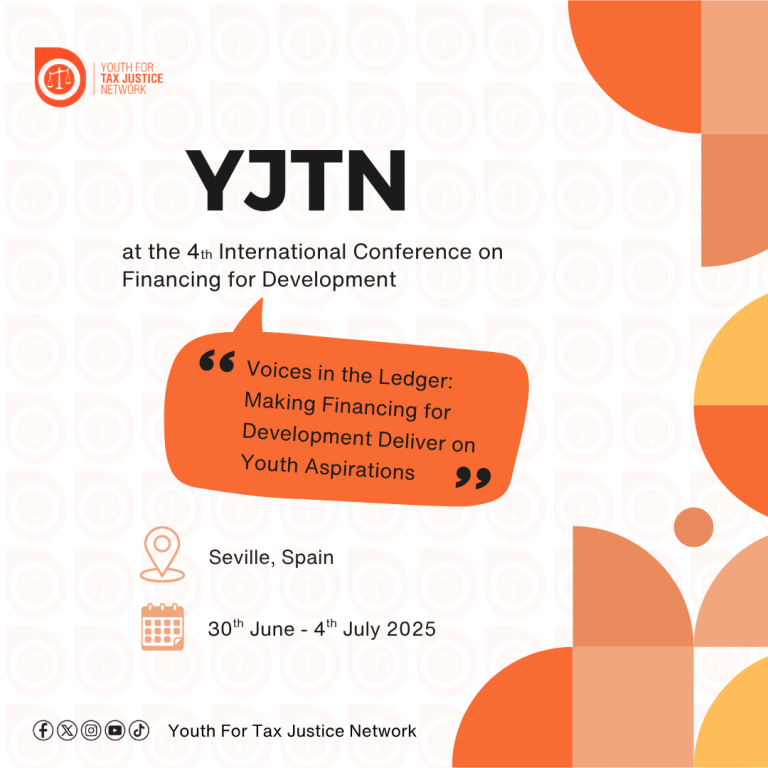
Why Should Young People Care about the Financing for Development Agenda?
It’s a call to action for youth to rise, engage, demand, and drive transformative change and co-creators of a new financing paradigm that truly serves the people and the planet. This piece is also a call to action for governments, multi-lateral institutions and civil society organizations to rise to the challenge of meaningful youth inclusion.