Similar Posts
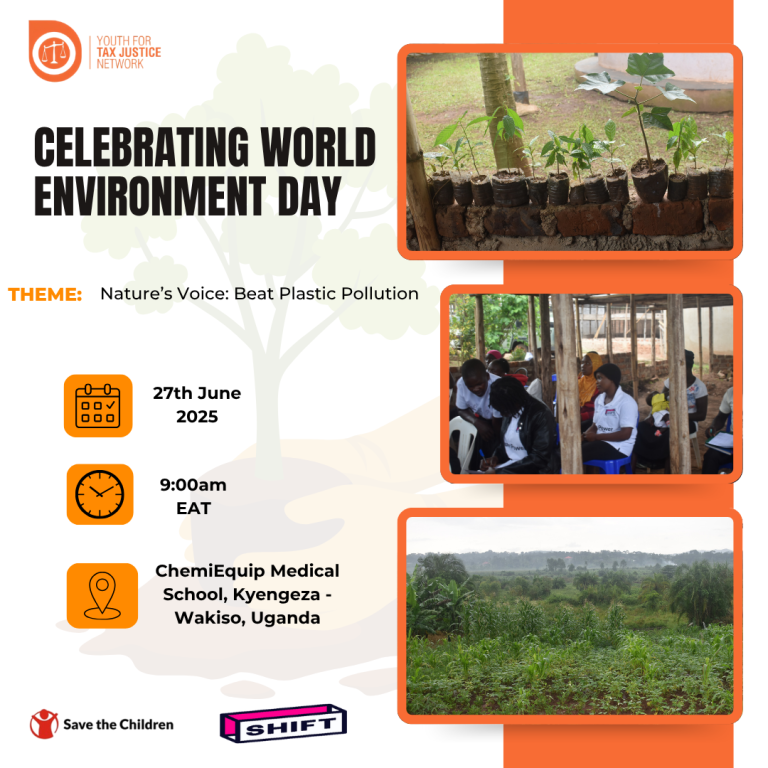
World Environment Day 2025: Beat Plastic Pollution
As we approach World Environment Day on June 5, 2025, under the theme of “Beat Plastic Pollution,” we believe it is crucial to address the intertwined issues of plastic pollution and environmental degradation in our community.
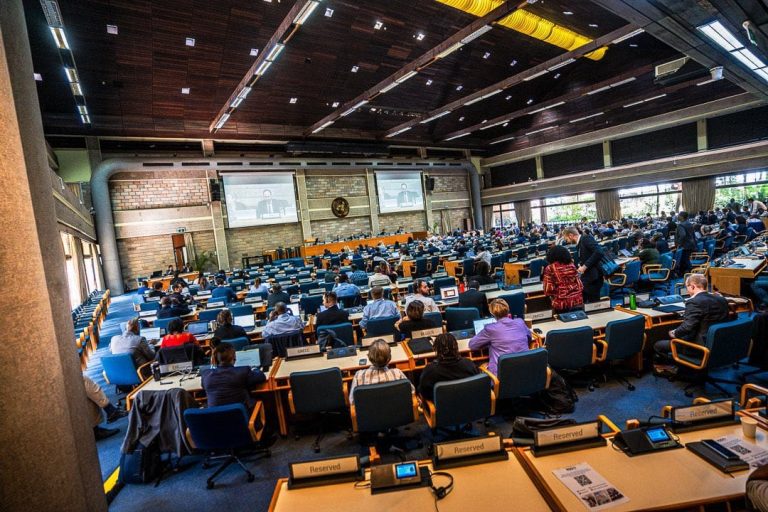
YTJN Nairobi Tax Talks RoundUp: Third Session of the Intergovernmental Negotiating Committee to Develop a UN Framework Convention on International Tax Cooperation – Day 5
Delegates at the 3rd Session of the Intergovernmental Negotiating Committee (INC3) continued working toward the development of a UN Framework Convention on International Tax Cooperation. Friday’s discussions focused on Article 11 on capacity-building and technical assistance, the digitalization of tax administration, sustainability and funding, roles of the Secretariat and COP, and updates from Workstream II on cross-border services.
Intergovernmental Negotiations on the UN Tax Convention Resume in New York with Renewed Opportunity to Center Youth Voices in Global Tax Governance
Specifically, the Youth Tax Justice Network (YTJN) will be present at the Fourth INC Session, advocating for youth-inclusive tax governance, intergenerational accountability, and transparent fiscal systems that respond to the social and economic realities facing young people globally. YTJN aims to contribute youth-centered perspectives to ongoing debates on taxing rights, transparency, and international cooperation against tax abuse.
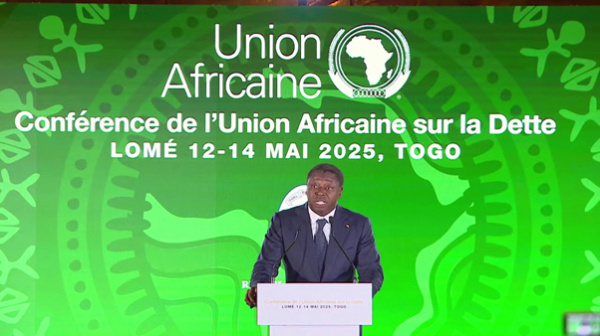
2025 Lome Declaration On Debt
Download Full Declaration
YTJN Nairobi Tax Talks RoundUp: Third Session of the Intergovernmental Negotiating Committee to Develop a UN Framework Convention on International Tax Cooperation Day 6
Delegates agreed on the importance of preventing disputes before they occur. Yet tools like advance pricing agreements, joint audits, simultaneous examinations, and cooperative compliance programs remain unevenly accessible. Key views included support for a legal basis enabling cross-border preventive cooperation, strong calls for capacity-building, information-sharing, and improved access to timely data, and emphasis on strengthening information systems and exchange-of-information frameworks. Interests were also seen in optional cross-border prevention mechanisms backed by future best practices and CoP-led support.
The Role of Youth in Promoting Human Rights and Social Justice in the SADC Region
Apart from engaging in activism and lobbying, young people in the SADC area also use community-based projects to advance social justice and human rights. Numerous youth in the neighborhood participate in community-based initiatives that support social justice and human rights, especially in the fields of economic empowerment, health, and education.