Similar Posts
Implementing the Auditor General’s Recommendations for Fiscal Discipline and Domestic Resource Mobilisation in Uganda
Fiscal discipline reduces unsustainable debt levels, freeing resources for investments in sectors like agriculture, tech, and green industries, which are critical for youth employment.
YTJN at the 3rd Intergovernmental Negotiations
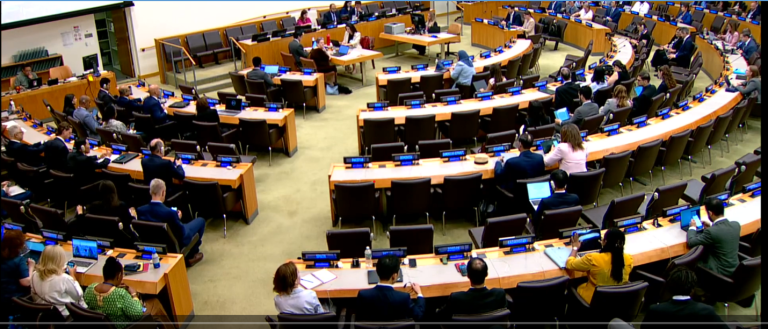
The Third Session of the Intergovernmental Negotiating Committee (INC-3) focused on advancing substantive negotiations on the UN Framework Convention on International Tax Cooperation and the Protocol on Prevention and Resolution of Tax Disputes. The programme of work was structured across two weeks, combining formal, informal, and closed meetings.
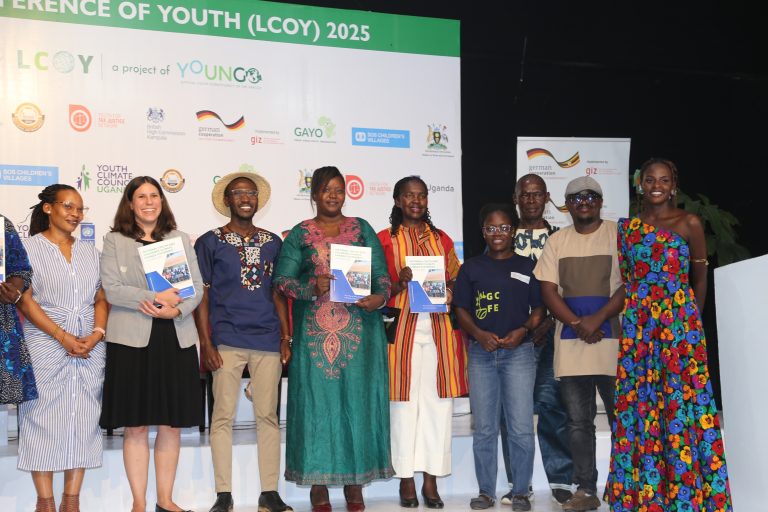
National Youth And Children’s Climate Change Statement – Uganda 2025
Beyond formal education, investment is needed to support child-centered eco-learning programs and community outreach initiatives that raise awareness and empower youth with the knowledge and skills necessary for climate action. Utilizing digital platforms, radio programs, and visual materials in local languages will further expand the reach of climate literacy, ensuring no young person is left behind in understanding the climate crisis and their role in solving it.
Pan African Creative Arts Youth Competition 2025
Youth for Tax Justice Network (YTJN) proposes the Pan African Creative Arts Youth Competition. This initiative seeks to harness the creativity of African youth to foster innovative ideas and grassroots awareness around critical economic governance topics, including sovereign debt, the AfCFTA, climate finance, asset recovery, and the UN Framework Convention on International Tax Cooperation.
Third Session of UN Tax Convention Negotiations Kicks Off in Nairobi as Governments Begin Text-Based Discussions
For young people across Africa and the world, these negotiations represent more than just policy debates. They offer an unprecedented opportunity to shape an economic future focused on intergenerational equity, where every resource counts, and where fiscal justice becomes a tool for equality, innovation, and opportunity.
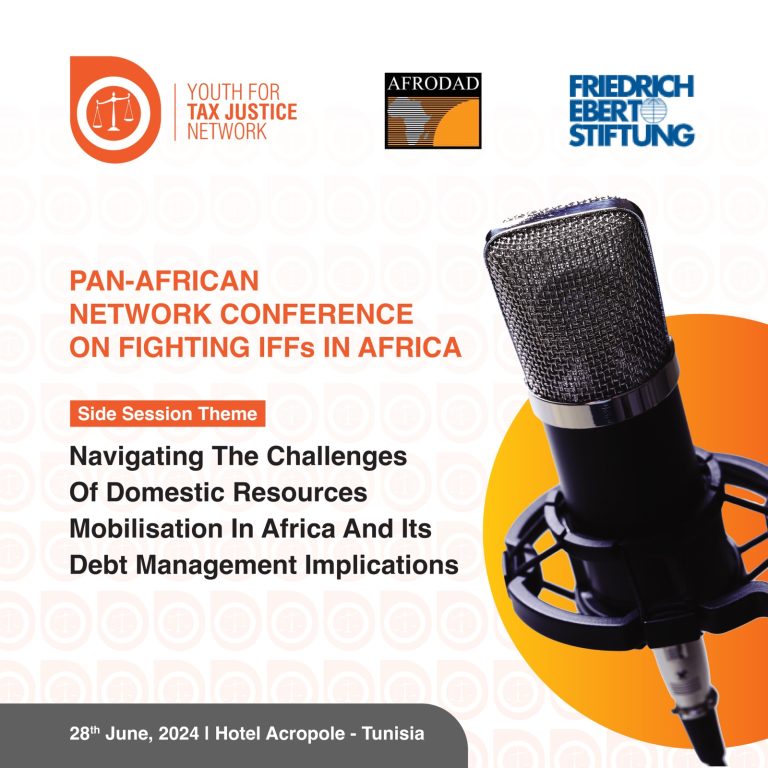
YTJN at the Pan-African Network Conference on Fighting Illicit Financial Flows in Africa
YTJN, African Forum and Network on Debt and Development (AFRODAD), Global Alliance for Tax Justice (GATJ), Friedrich-Ebert-Stiftung, the United Nations (UN), Rosa Luxemburg Stiftung, civil society organizations, and other stakeholders will be in Tunis, Tunisia for the Pan-African Network Conference on Fighting Illicit Financial Flows in Africa from June 26 to 28, 2024.