Similar Posts
Prioritizing Children in the FY2025/26 Planning and Budgeting Process
Download Full Paper
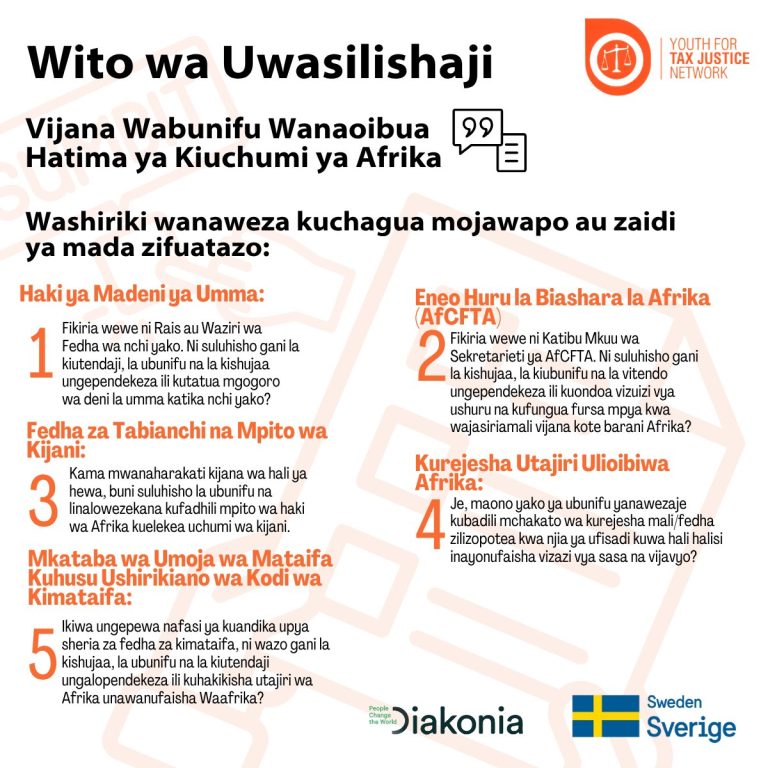
Mashindano ya ubunifu wa vijana wa kiafrika 2025
Kutambua hili, Youth for Tax Justice Network (YTJN) inapendekeza Shindano la Sanaa kwa Vijana Barani Afrika. Lengo ni kutumia ubunifu wa vijana wa Kiafrika kukuza fikra mpya na kuelewa wa ngazi ya jamii kuhusu masuala muhimu ya utawala wa kiuchumi, yakiwemo deni la umma, AfCFTA, fedha za hali ya hewa, urejeshaji wa mali, na Mkataba wa Umoja wa Mataifa kuhusu Ushirikiano wa Kodi wa Kimataifa.
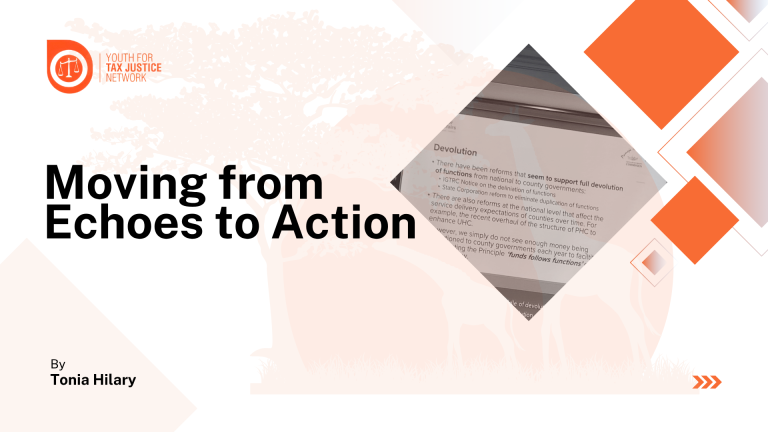
Moving from Echoes to Action
A key discussion point was the looming public debt crisis, driven more by domestic borrowing than external sources. This inward borrowing approach has the unintended effect of shrinking fiscal space and crowding out essential public services.
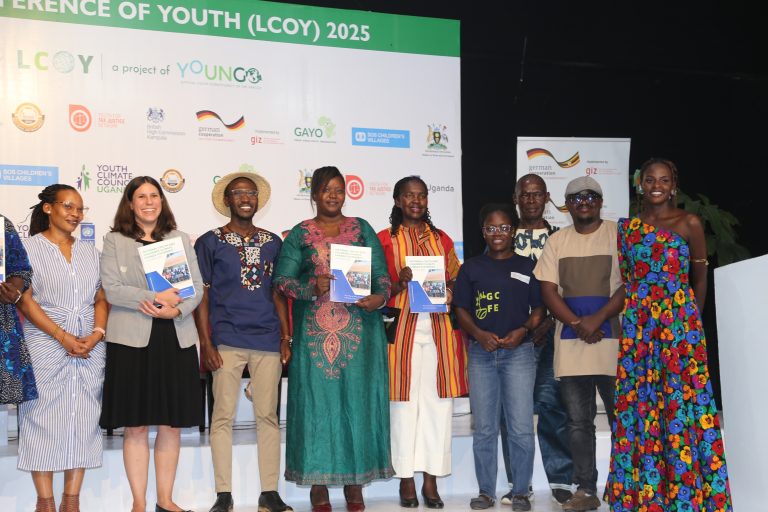
National Youth And Children’s Climate Change Statement – Uganda 2025
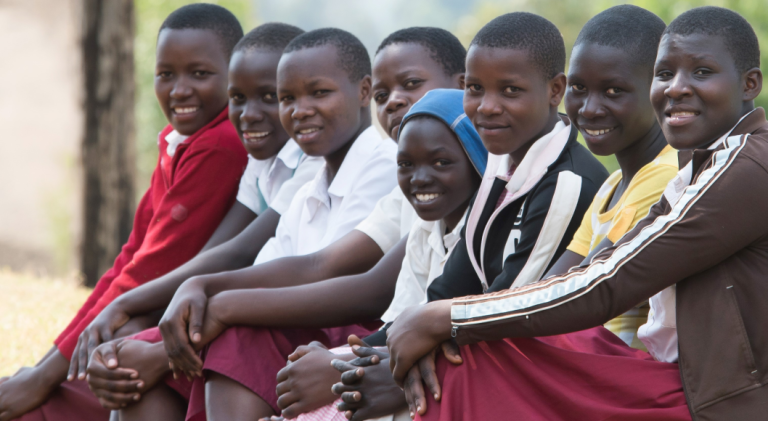
Beyond formal education, investment is needed to support child-centered eco-learning programs and community outreach initiatives that raise awareness and empower youth with the knowledge and skills necessary for climate action. Utilizing digital platforms, radio programs, and visual materials in local languages will further expand the reach of climate literacy, ensuring no young person is left behind in understanding the climate crisis and their role in solving it.
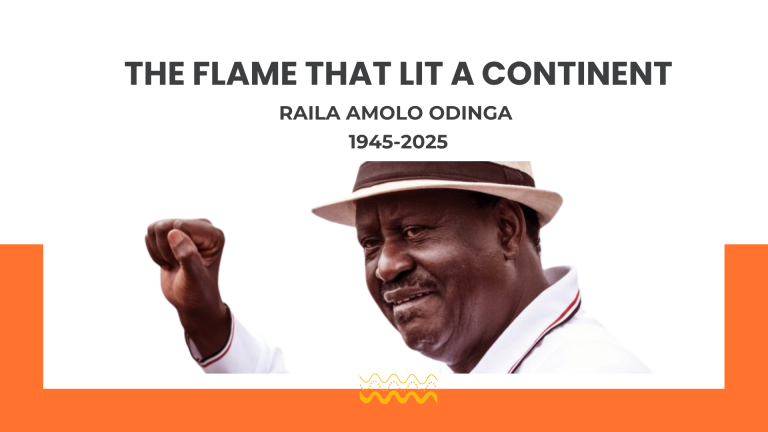
Raila Odinga – The Flame That Lit A Continent
The tools he fought to place in our hands—the laws, the freedoms, the hope—are now ours to wield. Let us honor the whole of his journey—the triumphs and the scars—by building a future so just and free that it becomes his greatest testament.
Youth perspectives on informal sector taxation in Africa as the world celebrates international youth day
As the world celebrates International Youth Day, it is high time African governments rethought informal sector taxation for…