Similar Posts
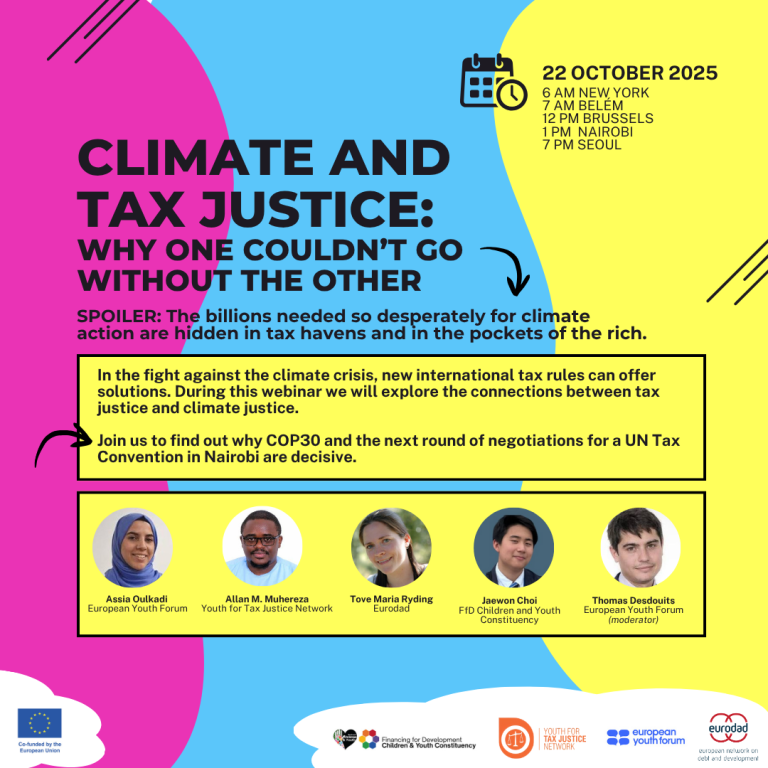
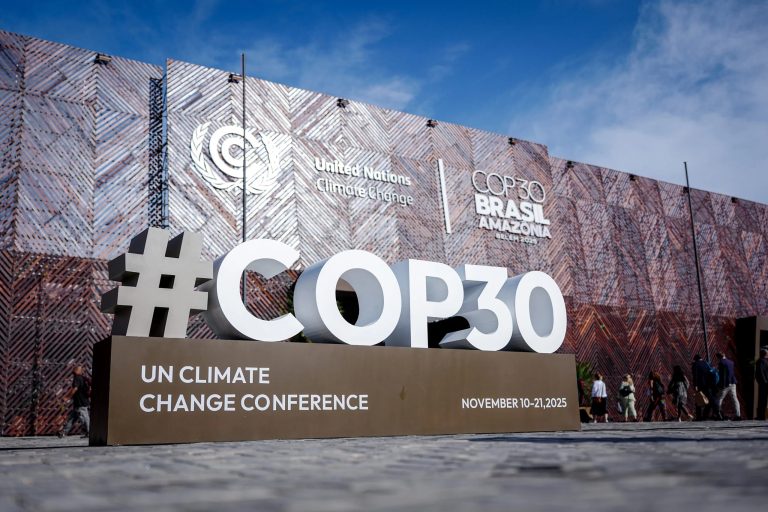
Climate and tax justice: why one couldn’t go without the other
This November, young people from across the world come together to explore an urgent connection that few are talking about: how the UN Climate Conference (COP 30) in Belém and the UN negotiations for a Framework Convention on International Tax Cooperation in Nairobi are part of the same story.
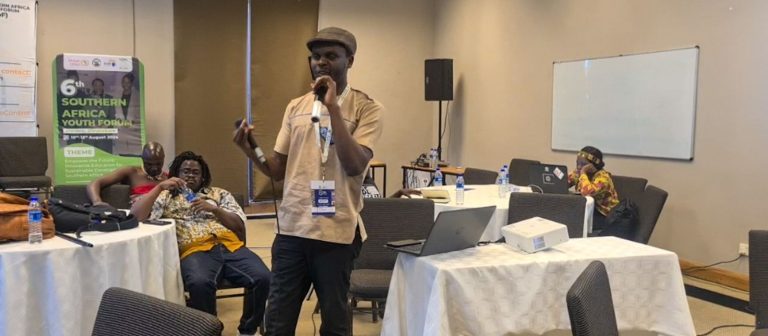
The 6th Southern Africa Youth Forum Harare Declaration
We recognize that the youth of Southern Africa represent an immense reservoir of energy, creativity, and potential that is critical to the continued progress and prosperity of our communities. As present leaders and change-makers of our region, we have a vital role to play in addressing the complex social, political, economic, and environmental challenges that we face. We have a role to complement our governments, the private sector, and all developmental actors to ensure access to quality and affordable education for the SADC child.
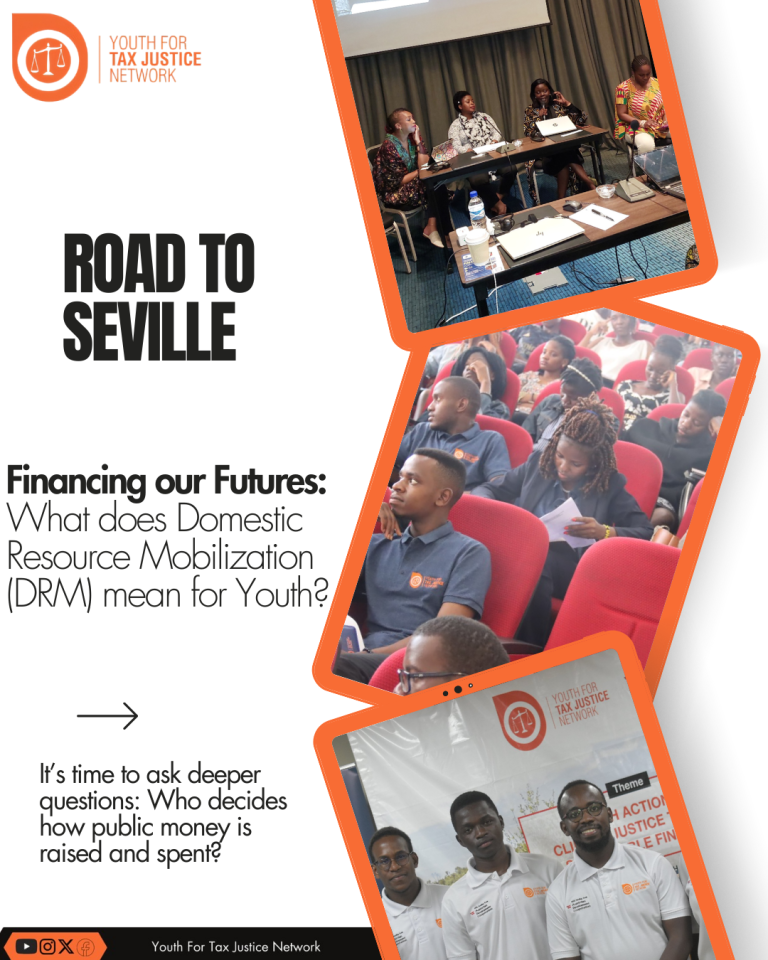
Financing our Futures: What does Domestic Resource Mobilization (DRM) mean for Youth?
Youth should care. The main reason is because we’re paying, but not heard. Africa is the youngest continent in the world, with over 60% of its population under the age of 25. Yet despite being the majority, young people are among the most heavily taxed, especially through consumption taxes such as VAT on airtime, mobile money, transport, and everyday goods.
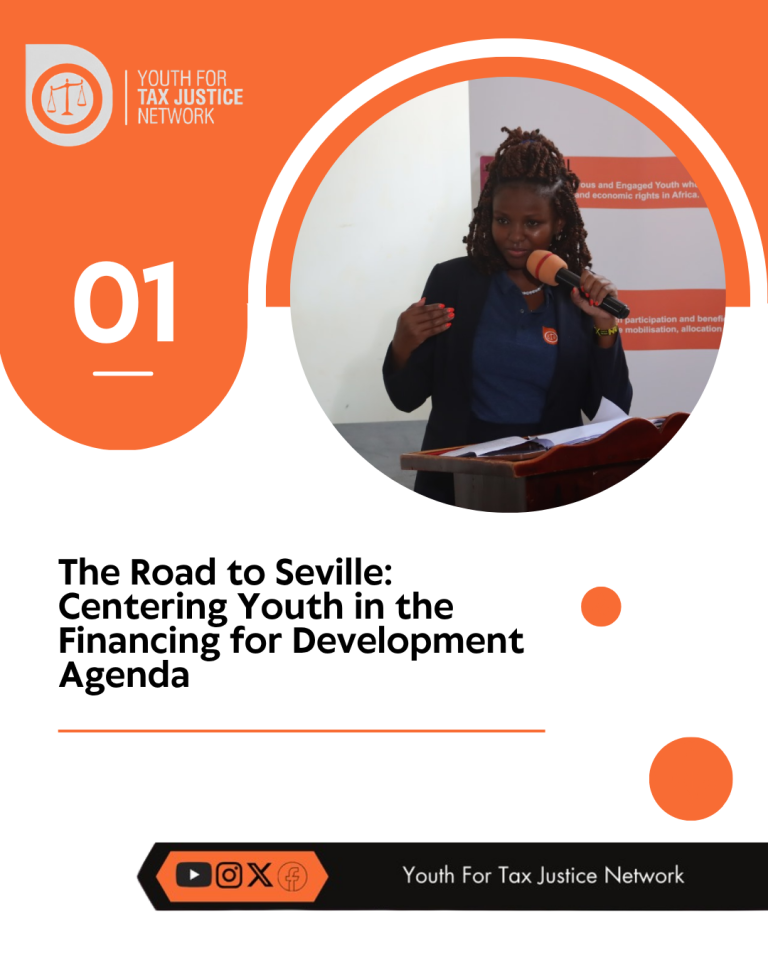
Why Should Young People Care about the Financing for Development Agenda?
It’s a call to action for youth to rise, engage, demand, and drive transformative change and co-creators of a new financing paradigm that truly serves the people and the planet. This piece is also a call to action for governments, multi-lateral institutions and civil society organizations to rise to the challenge of meaningful youth inclusion.
United Nations Climate Change Conference – Uganda At COP30
Uganda’s participation in the UNFCCC process continues to affirm our unwavering commitment to global climate action, sustainable development, and resilience building. As one of the Least Developed Countries (LDCs), Uganda remains steadfast in advocating for fairness, equity, and access to finance, technology, and capacity building under the principle of Common but Differentiated Responsibilities and Respective Capabilities (CBDR–RC).