Download PDF
Download PDF
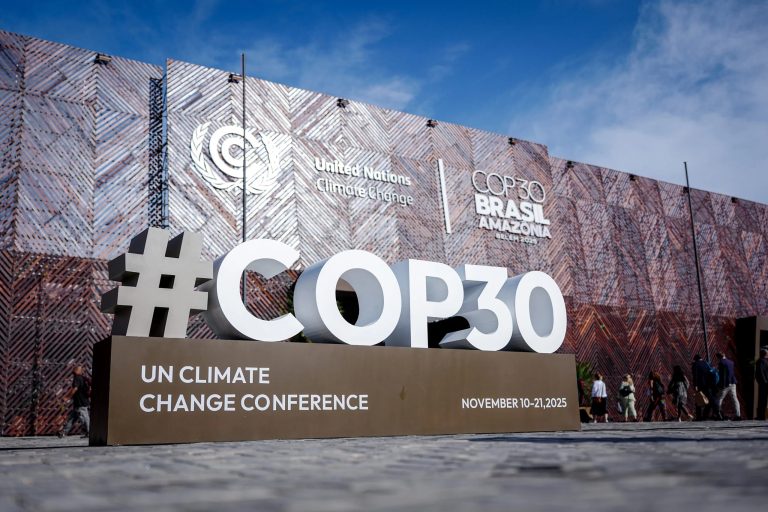
Uganda’s participation in the UNFCCC process continues to affirm our unwavering commitment to global climate action, sustainable development, and resilience building. As one of the Least Developed Countries (LDCs), Uganda remains steadfast in advocating for fairness, equity, and access to finance, technology, and capacity building under the principle of Common but Differentiated Responsibilities and Respective Capabilities (CBDR–RC).
This year’s COP, framed as the “implementation COP,” aimed to move beyond promises and focus on how to make climate commitments real. Yet, deep disagreements on finance, trade, fossil fuel pathways, and other areas delayed progress until the final hours. More than 80 countries pushed for a roadmap to phase out fossil fuels, while many advocates and developing nations called for stronger commitments on climate finance, but the final text fell short of expectations.
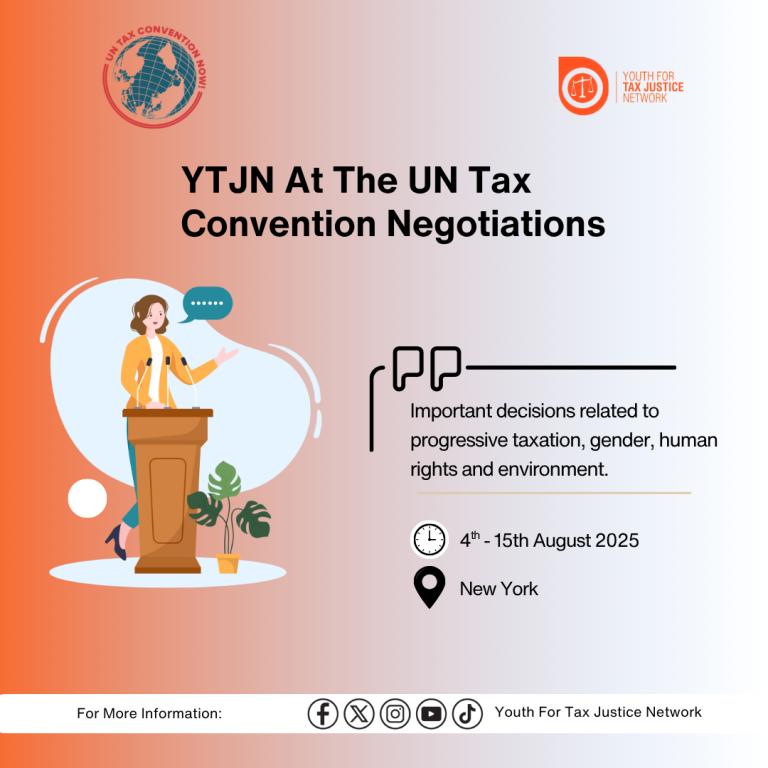
YTJN welcomes the opportunity to contribute to this historic process. As a global youth-led network, we stress that international tax rules must prioritize intergenerational justice, equitable public service financing, and youth participation in decision-making. Tax policy directly impacts young people’s access to education, healthcare, climate resilience, and economic opportunities.
Youth are also greatly impacted by climate change due to the loss of educational and skill-building opportunities. The United Nations Children’s Fund (UNICEF) estimates that by 2050, climate change would cause up to 1.8 billion school days to be lost worldwide, which will have a catastrophic effect on the education and skill-building of young people.
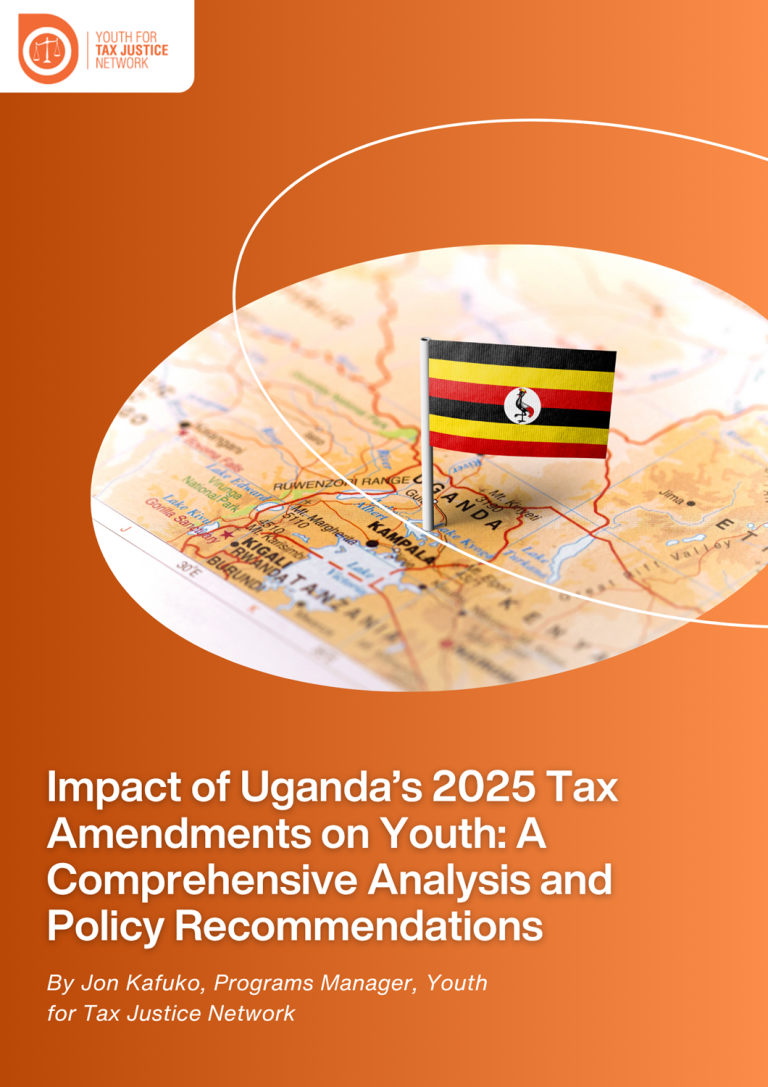
The pathway to a just and youth-friendly tax regime is clear: policies must keep pace with the realities of young entrepreneurs, formal and informal, urban and rural alike. Only through ongoing reform, robust support systems, and genuine participatory tax justice can Uganda unlock the full power of its youth as architects of a more prosperous future.
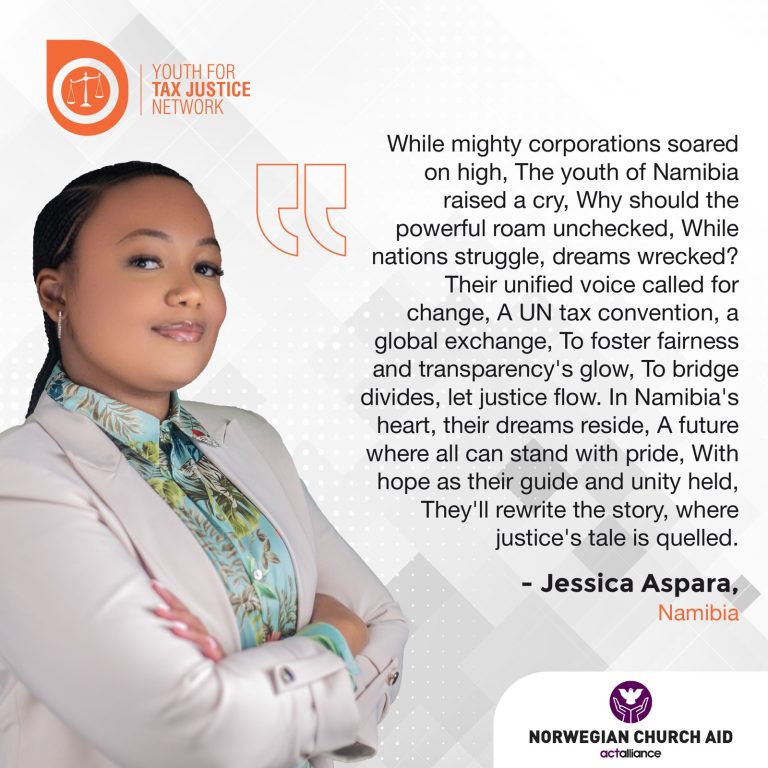
In the golden realm of Namibia’s grace, Where dreams take flight, and youth embrace, A call for justice…