Similar Posts
Youth and Climate Justice: An Assessment of COP29 Outcomes on Climate Financing for Low-Income Countries
Youth are also greatly impacted by climate change due to the loss of educational and skill-building opportunities. The United Nations Children’s Fund (UNICEF) estimates that by 2050, climate change would cause up to 1.8 billion school days to be lost worldwide, which will have a catastrophic effect on the education and skill-building of young people.
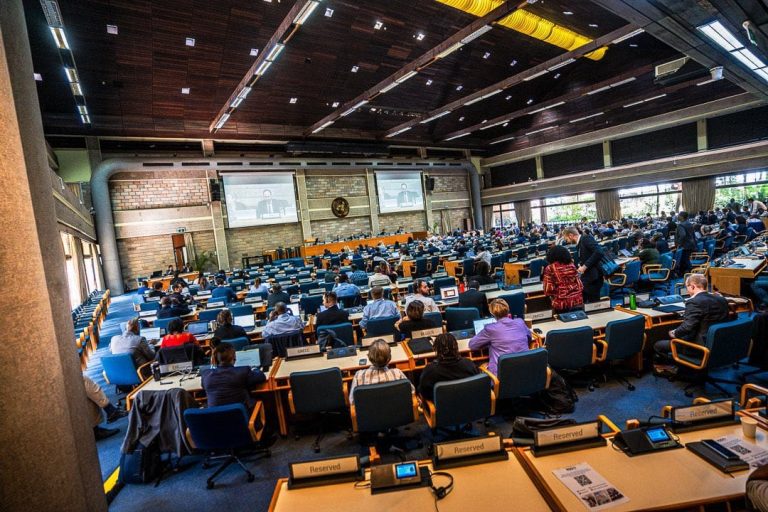
Intergovernmental Negotiations on the UN Tax Convention Resume in New York with Renewed Opportunity to Center Youth Voices in Global Tax Governance
Specifically, the Youth Tax Justice Network (YTJN) will be present at the Fourth INC Session, advocating for youth-inclusive tax governance, intergenerational accountability, and transparent fiscal systems that respond to the social and economic realities facing young people globally. YTJN aims to contribute youth-centered perspectives to ongoing debates on taxing rights, transparency, and international cooperation against tax abuse.
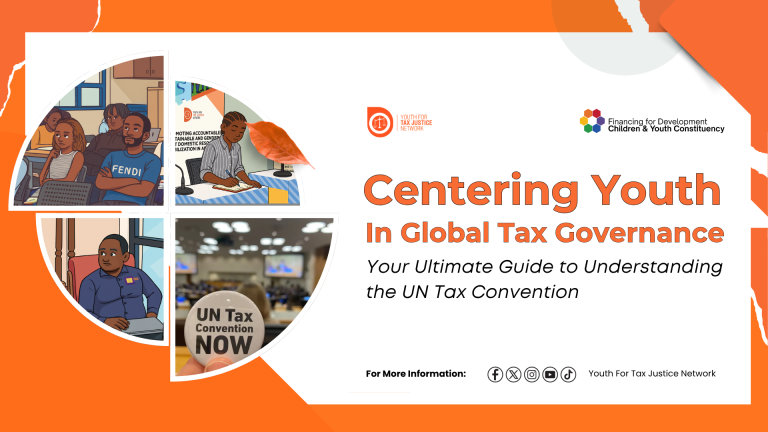
Centering Youth In Global Tax Governance – Your Ultimate Guide to Understanding the UN Tax Convention
In an era marked by deepening inequalities and shifting global financial systems, the question of who decides how resources are raised, shared, and governed has never been more urgent. Taxation, which has been long perceived as a technical issue reserved for experts and state negotiators, is now at the heart of global justice debates. As nations move toward a new United Nations Framework Convention on International Tax Cooperation, the need to ensure inclusivity, fairness, intergenerational equity and legitimacy within this process is critical.
At this critical juncture, the Youth Tax Justice Network (YTJN) stands at the forefront of redefining participation and representation in fiscal processes and fiscourse by championing the voices, priorities, and aspirations of young people across the Global South and beyond. We are backed by the belief and recognition that youth are not merely future taxpayers, but they are present stakeholders, who continue to find ways of organizing, researching, and advocating for a tax system that delivers equity, transparency, and sustainability.
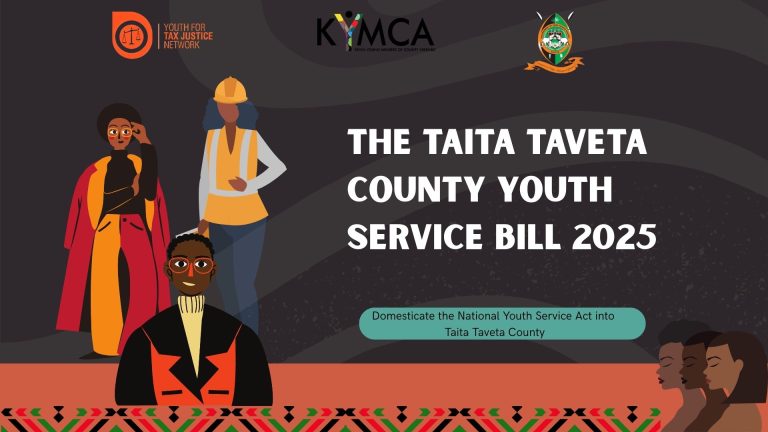
Report On The Review Of The Taita Taveta Youth Service Bill 2025
Download Full Report HERE