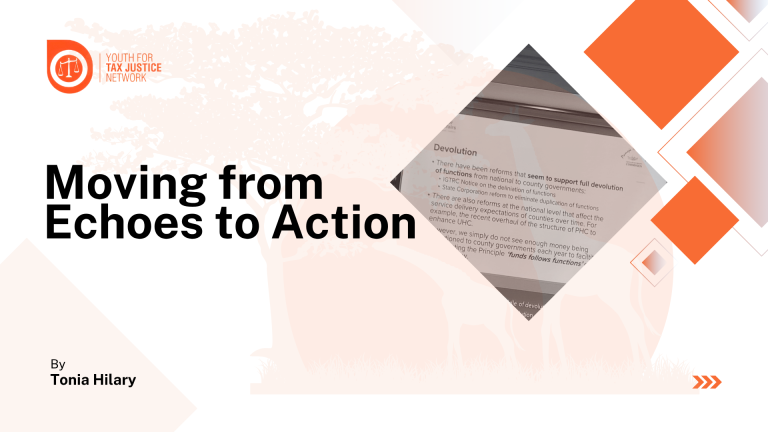
A key discussion point was the looming public debt crisis, driven more by domestic borrowing than external sources. This inward borrowing approach has the unintended effect of shrinking fiscal space and crowding out essential public services.
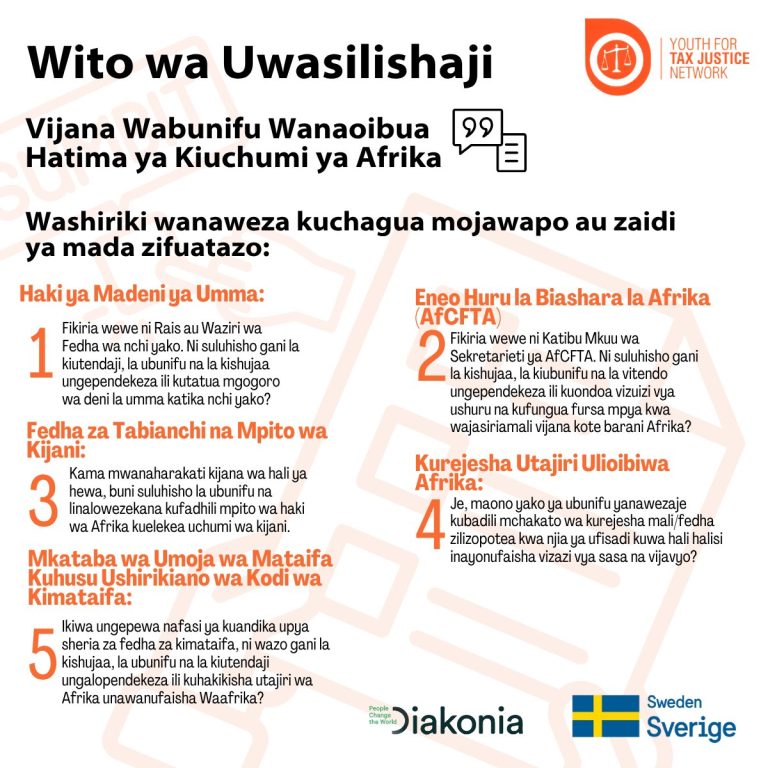
Kutambua hili, Youth for Tax Justice Network (YTJN) inapendekeza Shindano la Sanaa kwa Vijana Barani Afrika. Lengo ni kutumia ubunifu wa vijana wa Kiafrika kukuza fikra mpya na kuelewa wa ngazi ya jamii kuhusu masuala muhimu ya utawala wa kiuchumi, yakiwemo deni la umma, AfCFTA, fedha za hali ya hewa, urejeshaji wa mali, na Mkataba wa Umoja wa Mataifa kuhusu Ushirikiano wa Kodi wa Kimataifa.

Delegates agreed on the importance of preventing disputes before they occur. Yet tools like advance pricing agreements, joint audits, simultaneous examinations, and cooperative compliance programs remain unevenly accessible. Key views included support for a legal basis enabling cross-border preventive cooperation, strong calls for capacity-building, information-sharing, and improved access to timely data, and emphasis on strengthening information systems and exchange-of-information frameworks. Interests were also seen in optional cross-border prevention mechanisms backed by future best practices and CoP-led support.
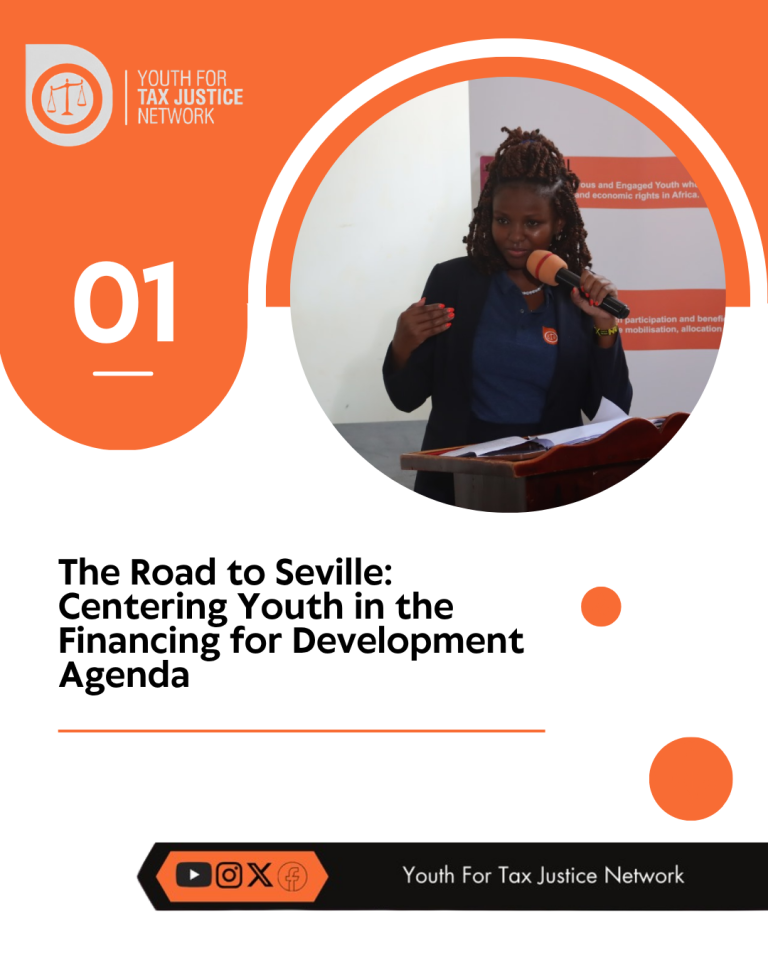
It’s a call to action for youth to rise, engage, demand, and drive transformative change and co-creators of a new financing paradigm that truly serves the people and the planet. This piece is also a call to action for governments, multi-lateral institutions and civil society organizations to rise to the challenge of meaningful youth inclusion.
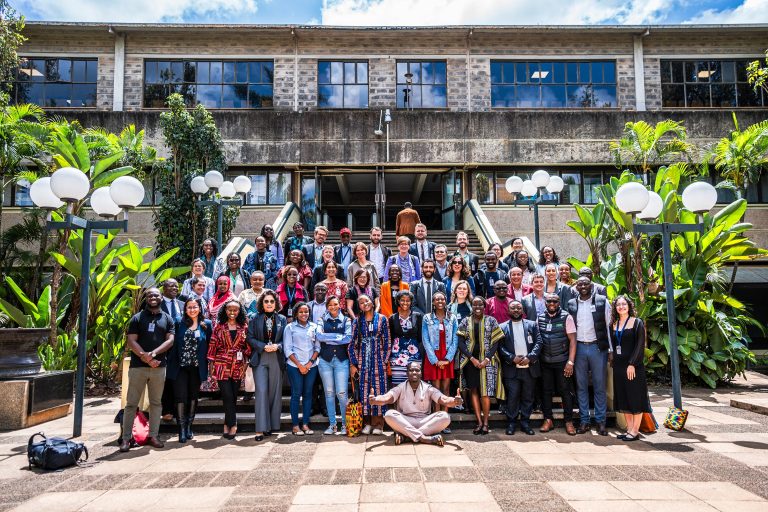
The third intergovernmental session on the UN Tax Convention, hosted in Nairobi, Kenya, has three main objectives: to review the draft text of the Framework Convention negotiations to reach a common understanding on the articles and protocols and develop a more coherent text in the coming months; to provide updates on progress made during the intersessional period on Protocol 1, concerning the taxation of income from cross-border services, with a view to presenting potential options and approaches for the committee’s consideration during the 4th session in February 2026; and to turn to Protocol 2, where the workstream has begun developing preliminary approaches outlined in the concept note.
The youth of Kenya are a most resourceful, innovative, and active segment of our society. It generates ideas and their applications to spur and catalyse social and economic transformation.