Similar Posts
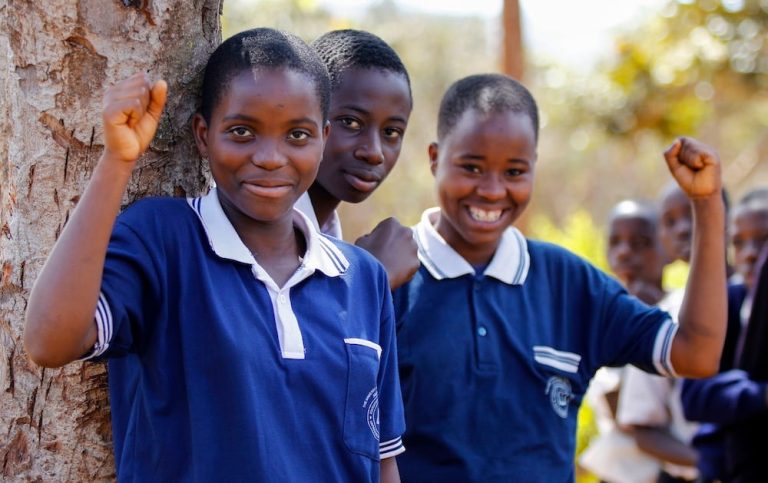
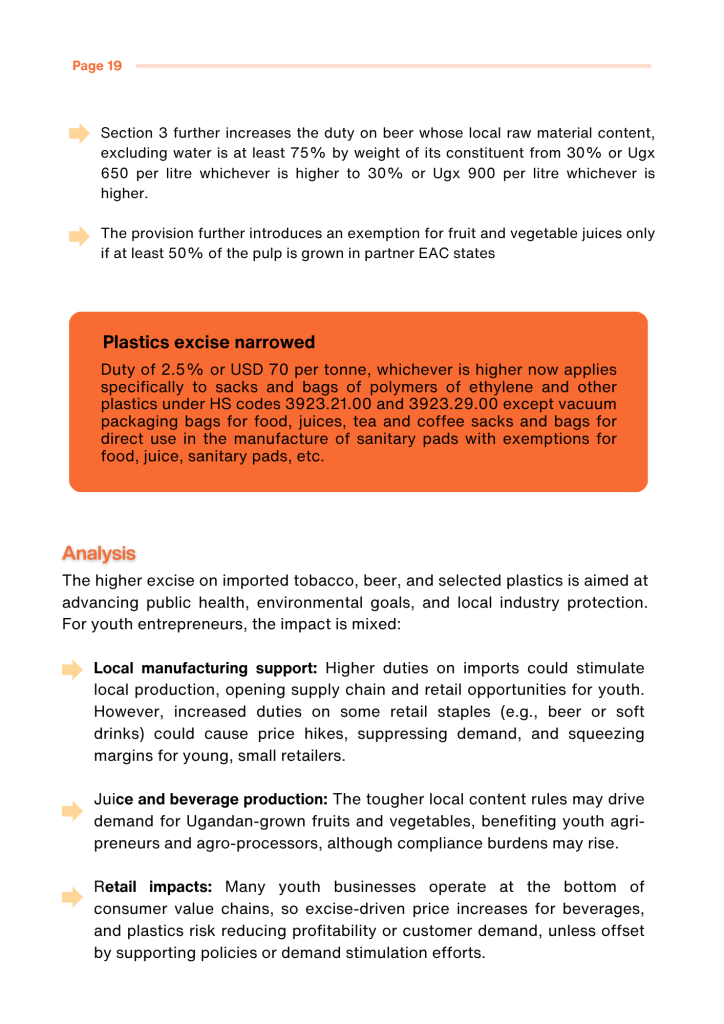
The Impact of Climate Change on Youth Education in the SADC Region
Youth, especially in the Southern African Development Community (SADC) region, are among the most susceptible groups to the effects of climate change. Because of its position and lack of financial resources, the SADC area is especially vulnerable to climate change.
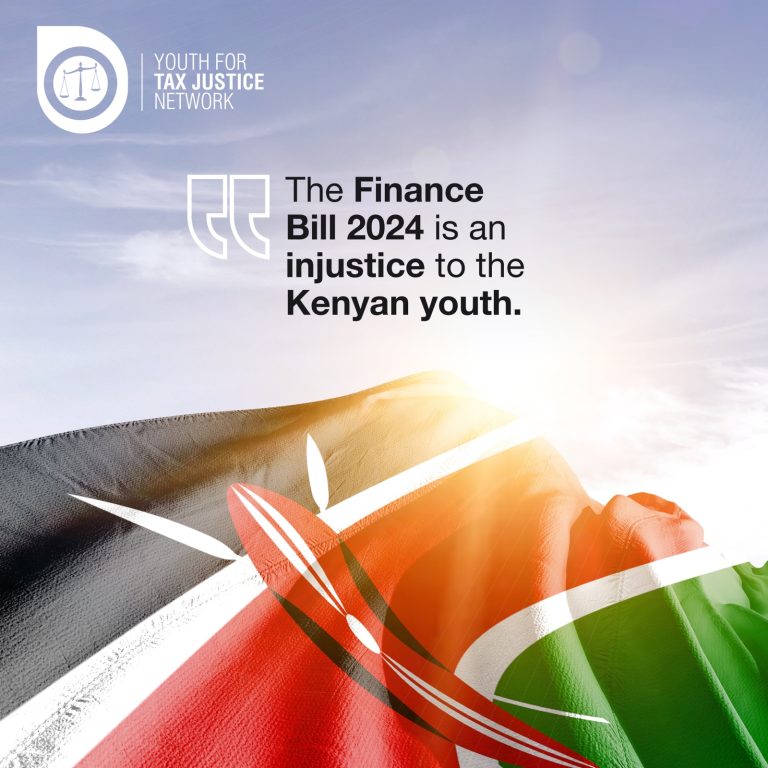
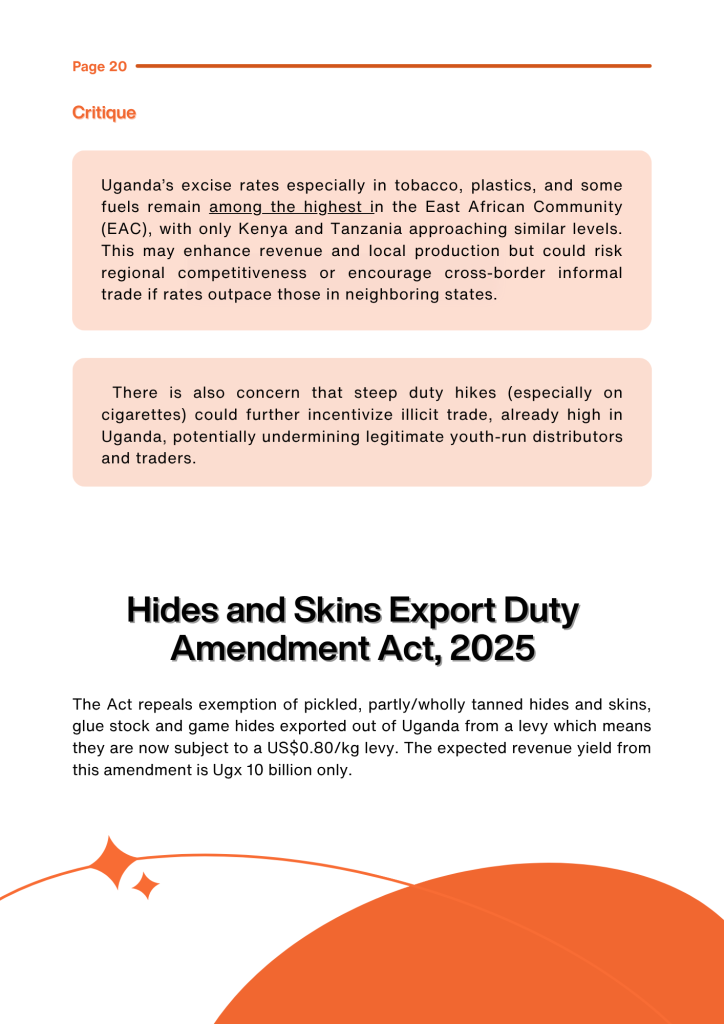
YTJN Statement Of Solidarity With Kenyan Youth Against The Finance Bill 2024
The Youth for Tax Justice Networks (YTJN) stands in solidarity with the youth and citizens of Kenya in opposing the Finance Bill 2024. This bill threatens to undermine the principles of pro-poor sustainable development, democracy, and free enterprise essential for reducing poverty and creating opportunities for all.
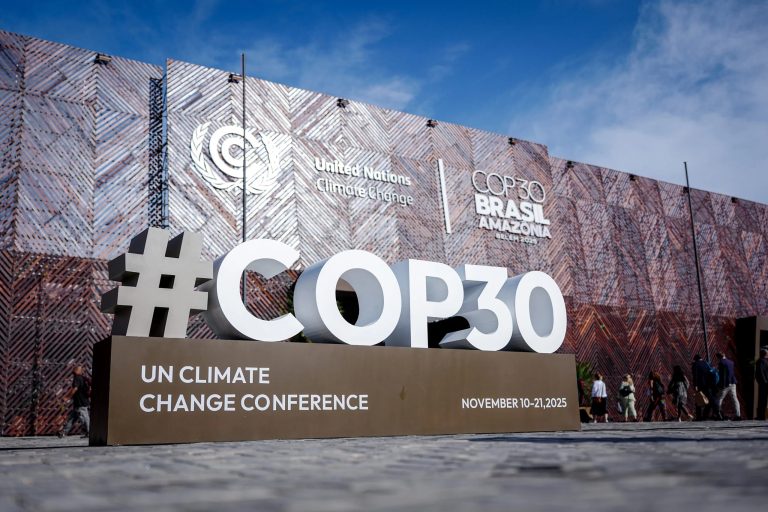
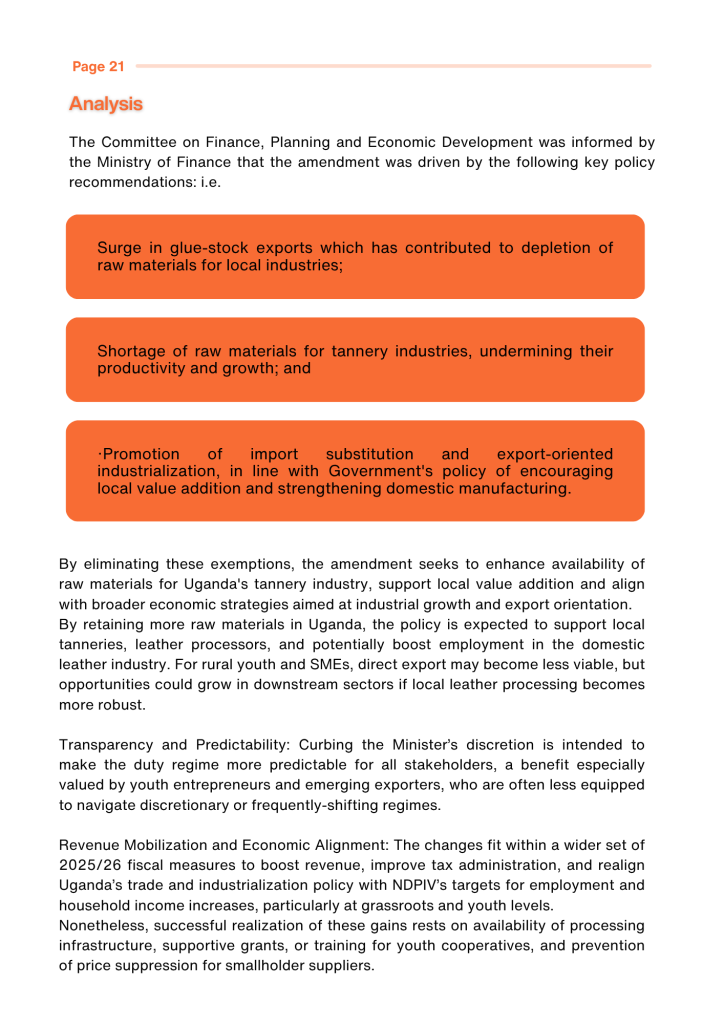
United Nations Climate Change Conference – Uganda At COP30
Uganda’s participation in the UNFCCC process continues to affirm our unwavering commitment to global climate action, sustainable development, and resilience building. As one of the Least Developed Countries (LDCs), Uganda remains steadfast in advocating for fairness, equity, and access to finance, technology, and capacity building under the principle of Common but Differentiated Responsibilities and Respective Capabilities (CBDR–RC).
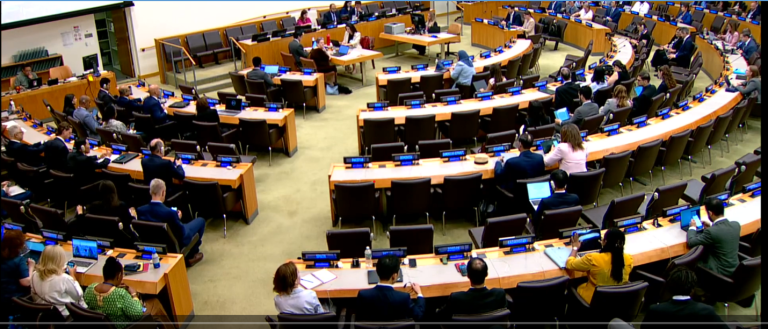
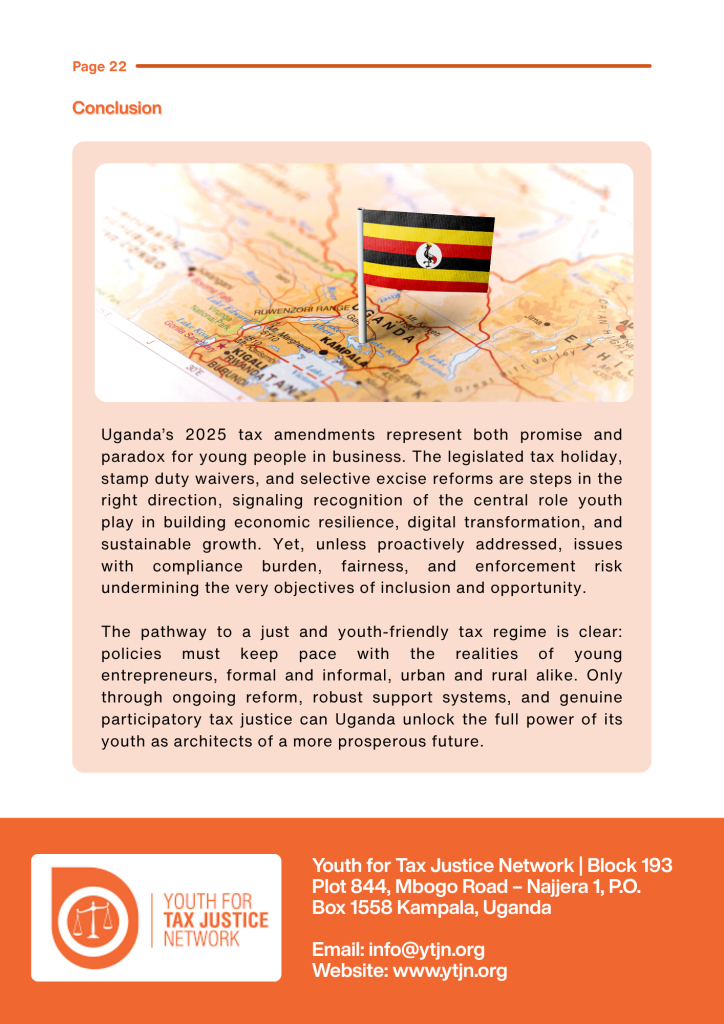
Third Session of UN Tax Convention Negotiations Kicks Off in Nairobi as Governments Begin Text-Based Discussions
For young people across Africa and the world, these negotiations represent more than just policy debates. They offer an unprecedented opportunity to shape an economic future focused on intergenerational equity, where every resource counts, and where fiscal justice becomes a tool for equality, innovation, and opportunity.
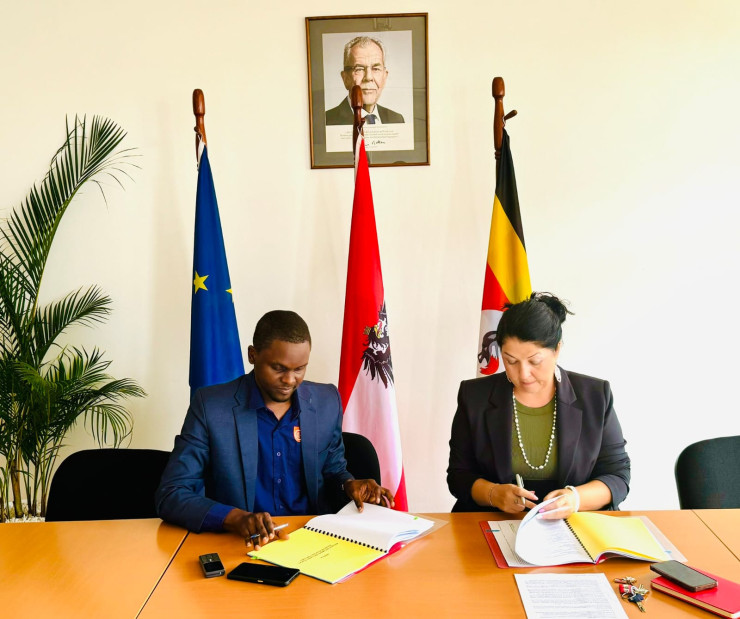
Austrian Development Cooperation and YTJN collaborate in Youth Climate Action Project
Towards the end of August, Austrian Development Cooperation and YTJN signed a grant agreement to implement a project titled Youth…