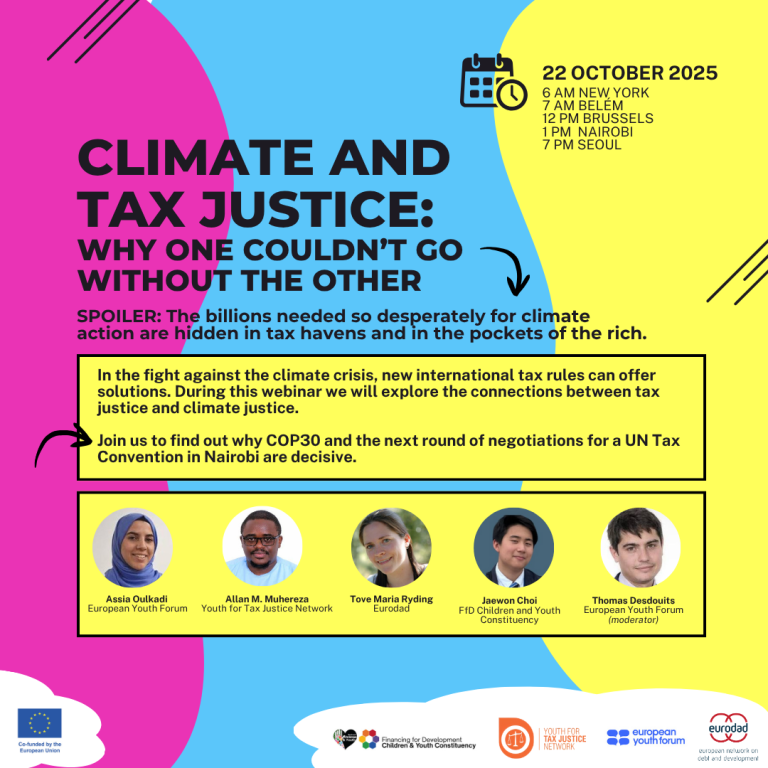
This November, young people from across the world come together to explore an urgent connection that few are talking about: how the UN Climate Conference (COP 30) in Belém and the UN negotiations for a Framework Convention on International Tax Cooperation in Nairobi are part of the same story.
The 2016 Africa Human Development Report highlights that gender inequality is costing sub-Saharan Africa on average US$95 billion annually. Gender equality is therefore instrumental to achieving sustainable economic and social development and should be mainstreamed into Africa’s trade agenda to achieve sustainable and inclusive economic growth. Domestic resource mobilization has become a concern for economies in the global south because of the changing international financial architecture.
We recognize that the youth of Southern Africa represent an immense reservoir of energy, creativity, and potential that is critical to the continued progress and prosperity of our communities. As present leaders and change-makers of our region, we have a vital role to play in addressing the complex social, political, economic, and environmental challenges that we face. We have a role to complement our governments, the private sector, and all developmental actors to ensure access to quality and affordable education for the SADC child.
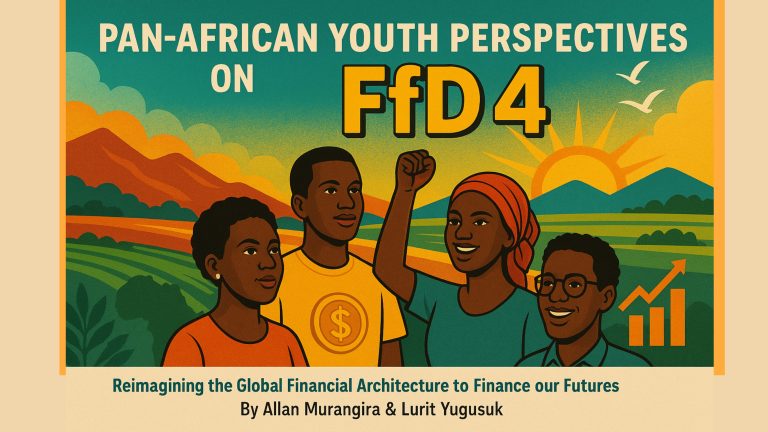
Africa, home to the youngest and fastest growing population globally, has faced shrinking fiscal space, capital flight, and uneven access to international financial markets. For African youth, who not only represent over 70% of the continent’s population but also the continent’s potential drivers of innovation and growth, these challenges translate into restricted opportunities, heightened vulnerabilities, and a fragile future.

Delegates agreed on the importance of preventing disputes before they occur. Yet tools like advance pricing agreements, joint audits, simultaneous examinations, and cooperative compliance programs remain unevenly accessible. Key views included support for a legal basis enabling cross-border preventive cooperation, strong calls for capacity-building, information-sharing, and improved access to timely data, and emphasis on strengthening information systems and exchange-of-information frameworks. Interests were also seen in optional cross-border prevention mechanisms backed by future best practices and CoP-led support.