Similar Posts
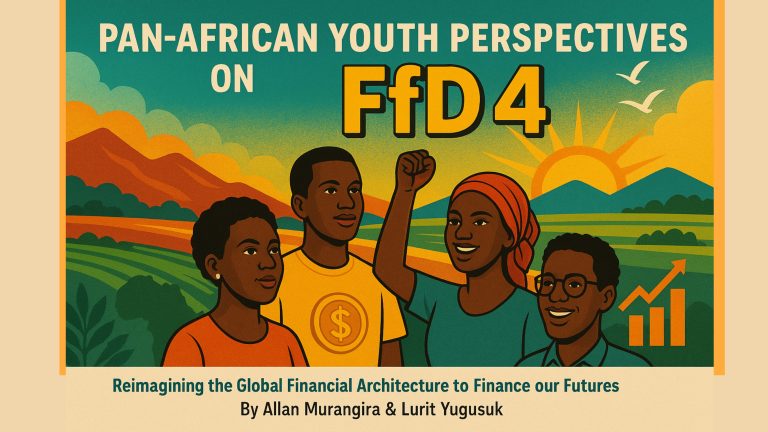
Pan African Youth Perspectives on FFD
Africa, home to the youngest and fastest growing population globally, has faced shrinking fiscal space, capital flight, and uneven access to international financial markets. For African youth, who not only represent over 70% of the continent’s population but also the continent’s potential drivers of innovation and growth, these challenges translate into restricted opportunities, heightened vulnerabilities, and a fragile future.
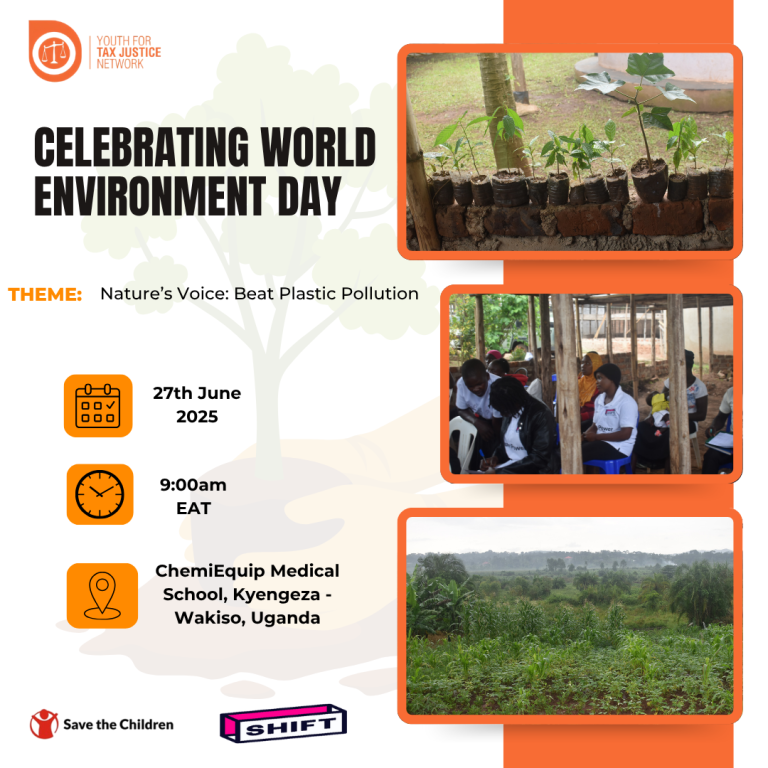
World Environment Day 2025: Beat Plastic Pollution
As we approach World Environment Day on June 5, 2025, under the theme of “Beat Plastic Pollution,” we believe it is crucial to address the intertwined issues of plastic pollution and environmental degradation in our community.
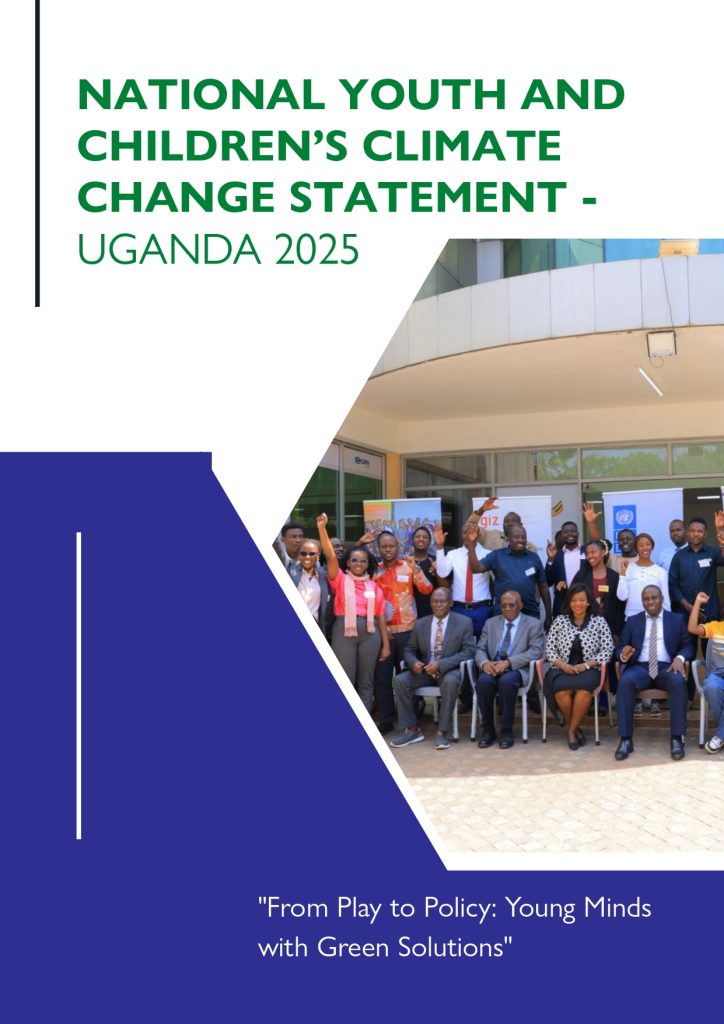
The 2026-2031 Uganda National Youth Manifesto
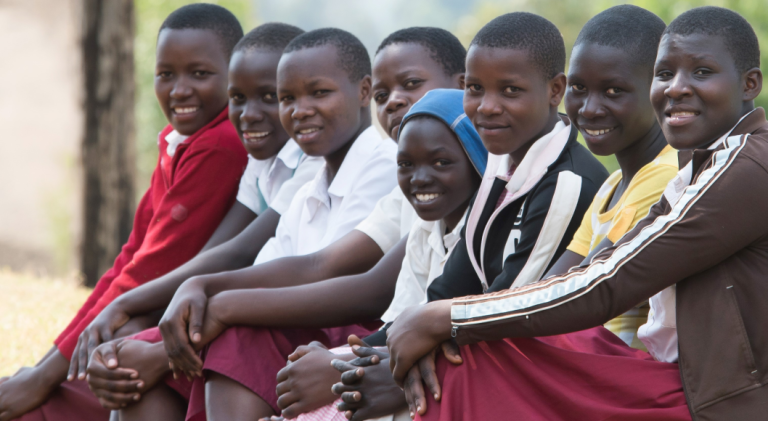
By addressing the challenges of youth unemployment through targeted investments in skills development, health, and education and by leveraging digital technologies, Uganda can harness the potential of its young population to drive sustainable development and economic growth. Government Ministries, Departments and Agencies will collaborate extensively with Development Partners, Civil Society Organizations and young people’s movements to realize a demographic dividend and the aspirations of this National Youth Manifesto.
Prioritizing Children in the FY2025/26 Planning and Budgeting Process
Download Full Paper
COP 30 in Belem: What It Meant for Youth and the Future of Climate Finance
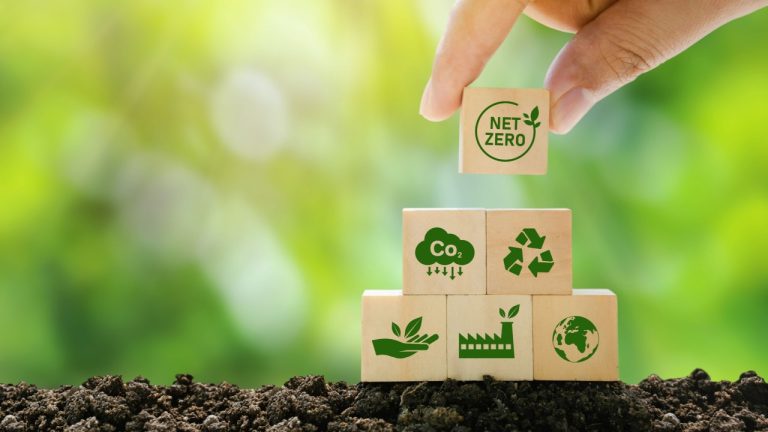
This year’s COP, framed as the “implementation COP,” aimed to move beyond promises and focus on how to make climate commitments real. Yet, deep disagreements on finance, trade, fossil fuel pathways, and other areas delayed progress until the final hours. More than 80 countries pushed for a roadmap to phase out fossil fuels, while many advocates and developing nations called for stronger commitments on climate finance, but the final text fell short of expectations.
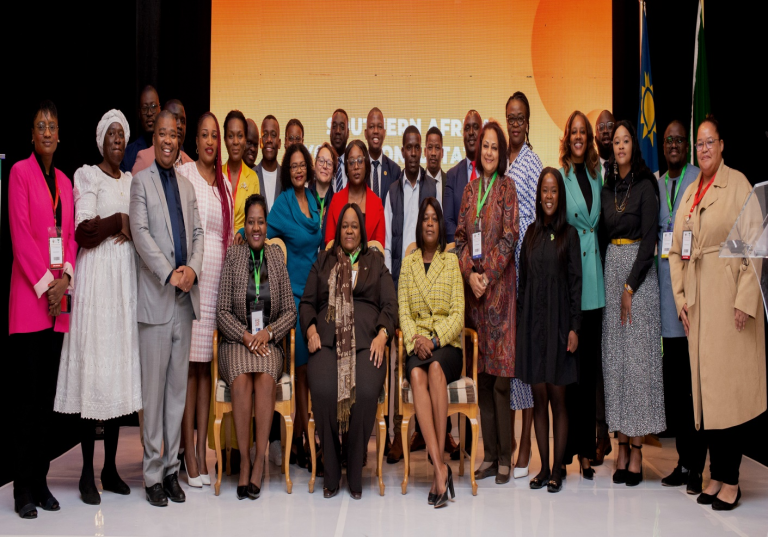
The Southern Consultations In Windhoek Namibia 2023
The 2016 Africa Human Development Report highlights that gender inequality is costing sub-Saharan Africa on average US$95 billion annually. Gender equality is therefore instrumental to achieving sustainable economic and social development and should be mainstreamed into Africa’s trade agenda to achieve sustainable and inclusive economic growth. Domestic resource mobilization has become a concern for economies in the global south because of the changing international financial architecture.