Similar Posts
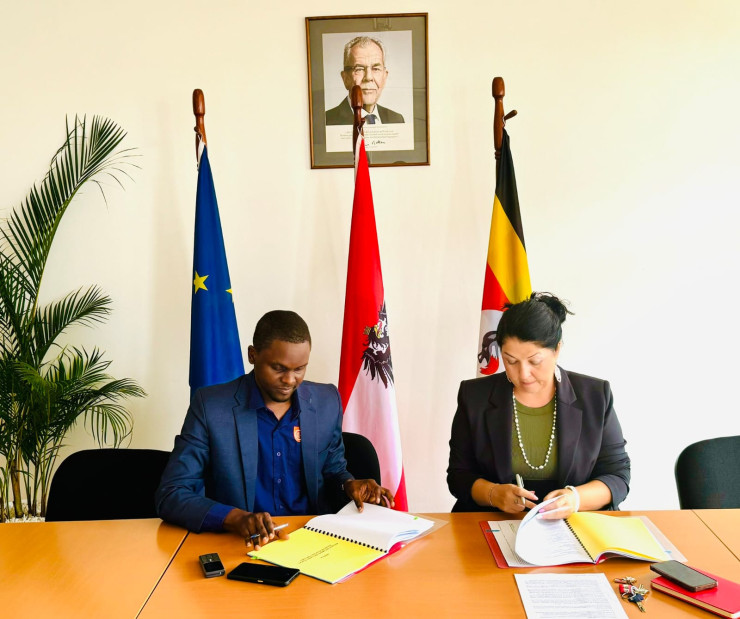
Austrian Development Cooperation and YTJN collaborate in Youth Climate Action Project
Towards the end of August, Austrian Development Cooperation and YTJN signed a grant agreement to implement a project titled Youth…
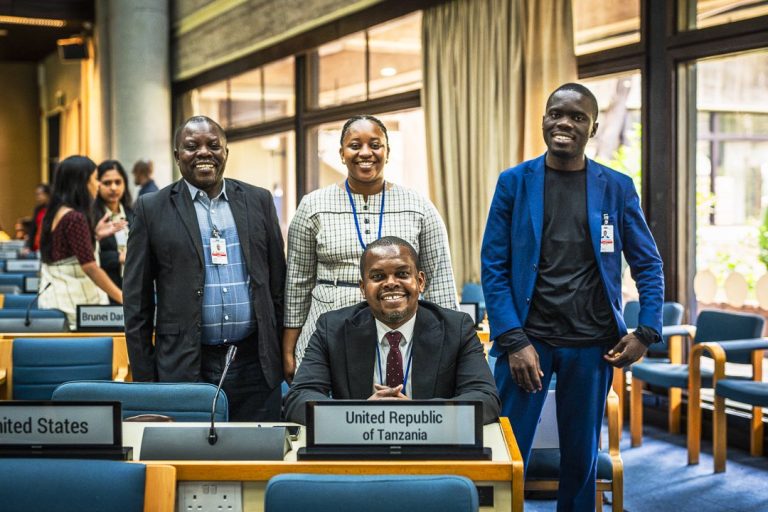
YTJN Nairobi Tax Talks RoundUp: Third Session of the Intergovernmental Negotiating Committee to Develop a UN Framework Convention on International Tax Cooperation Day 6
Delegates agreed on the importance of preventing disputes before they occur. Yet tools like advance pricing agreements, joint audits, simultaneous examinations, and cooperative compliance programs remain unevenly accessible. Key views included support for a legal basis enabling cross-border preventive cooperation, strong calls for capacity-building, information-sharing, and improved access to timely data, and emphasis on strengthening information systems and exchange-of-information frameworks. Interests were also seen in optional cross-border prevention mechanisms backed by future best practices and CoP-led support.
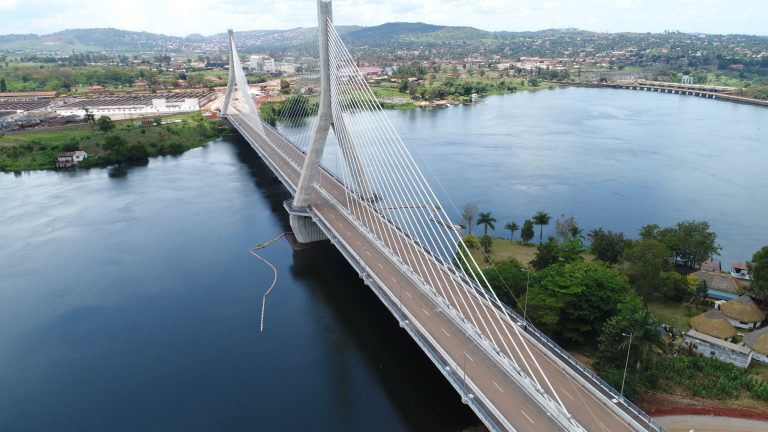
Implementing the Auditor General’s Recommendations for Fiscal Discipline and Domestic Resource Mobilisation in Uganda
Fiscal discipline reduces unsustainable debt levels, freeing resources for investments in sectors like agriculture, tech, and green industries, which are critical for youth employment.
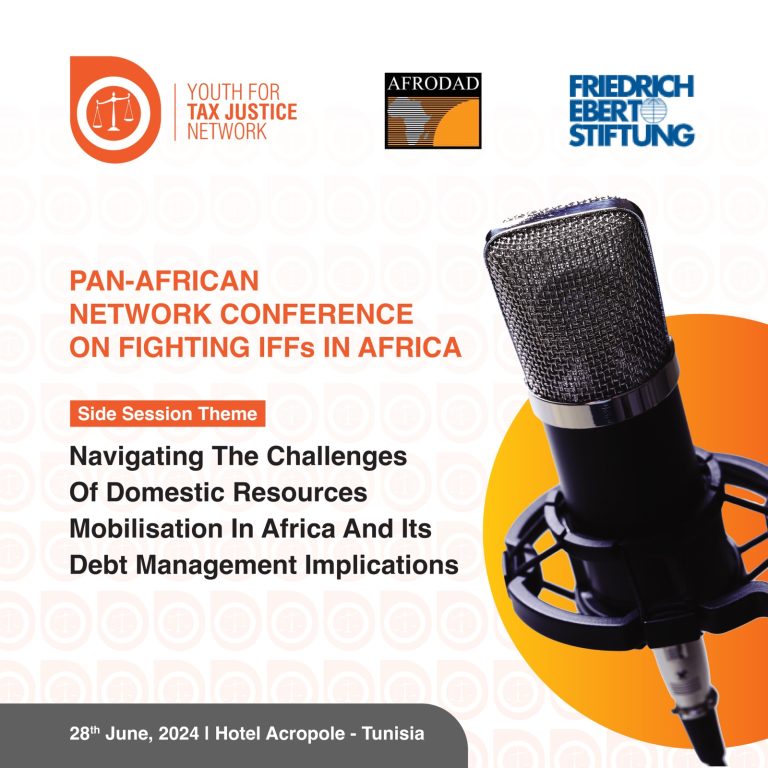
YTJN at the Pan-African Network Conference on Fighting Illicit Financial Flows in Africa
YTJN, African Forum and Network on Debt and Development (AFRODAD), Global Alliance for Tax Justice (GATJ), Friedrich-Ebert-Stiftung, the United Nations (UN), Rosa Luxemburg Stiftung, civil society organizations, and other stakeholders will be in Tunis, Tunisia for the Pan-African Network Conference on Fighting Illicit Financial Flows in Africa from June 26 to 28, 2024.
YTJN Nairobi Tax Talks Day 7 RoundUp: Third Session of the Intergovernmental Negotiating Committee to Develop a UN Framework Convention on International Tax Cooperation
The conversation then drifted on questions on how to handle disputes in the absence of tax treaties. For developing countries, the answer was simple … “No treaty, no dispute-resolution mechanism.” For them, the Protocol should not create new legal bases.
But across the room, private sector voices insisted that disputes do not wait for treaties; businesses struggle with uncertainty, and governments lose revenue. They pressed for innovations, with some calling for strengthening MAP, others calling for coordinated unilateral Advance Pricing Agreements (APAs), and others for the view that temporary unilateral relief would prevent double taxation.United Nations Climate Change Conference – Uganda At COP30
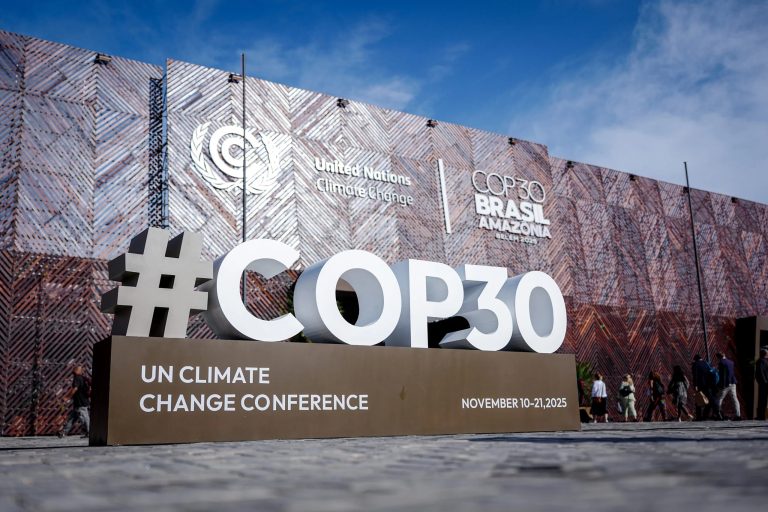
Uganda’s participation in the UNFCCC process continues to affirm our unwavering commitment to global climate action, sustainable development, and resilience building. As one of the Least Developed Countries (LDCs), Uganda remains steadfast in advocating for fairness, equity, and access to finance, technology, and capacity building under the principle of Common but Differentiated Responsibilities and Respective Capabilities (CBDR–RC).