

Similar Posts
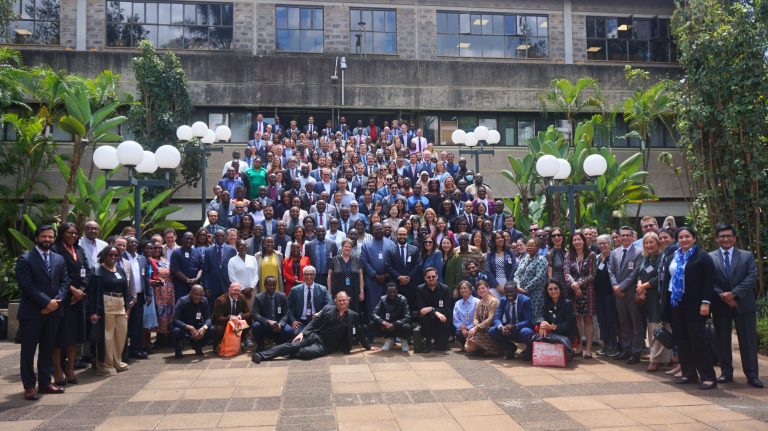
YTJN Nairobi Tax Talks RoundUp: Third Session of the Intergovernmental Negotiating Committee to Develop a UN Framework Convention on International Tax Cooperation (Day 3 Recap)
Lurit Yugusuk, speaking for the Youth for Tax Justice Network, reminded the room that harmful tax practices don’t just affect balance sheets, they affect people.“Harmful tax practices erode national tax bases, weakening the capacity to finance education, healthcare, and infrastructure that children and youth depend on.” She called for expanding Article 8 beyond multinational enterprises to include high-net-worth individuals, private investment vehicles, and professional enablers. She also pushed for mandatory public disclosure of tax incentives and public country-by-country reporting, emphasizing that “secrecy has been the lifeblood of harmful tax practices.”
Raila Odinga – The Flame That Lit A Continent
The tools he fought to place in our hands—the laws, the freedoms, the hope—are now ours to wield. Let us honor the whole of his journey—the triumphs and the scars—by building a future so just and free that it becomes his greatest testament.
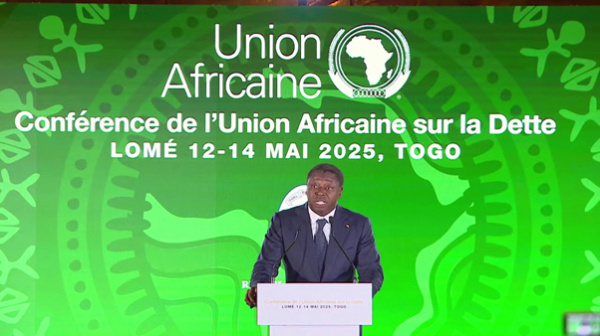
2025 Lome Declaration On Debt
Download Full Declaration
A Statement from the Youth for Tax Justice Network on the June 25 Protests in Kenya
The Youth for Tax Justice Network (YTJN) stands in solidarity with young people across Kenya who gathered peacefully on June 25 to mark one year since the tragic events of June 2024, and
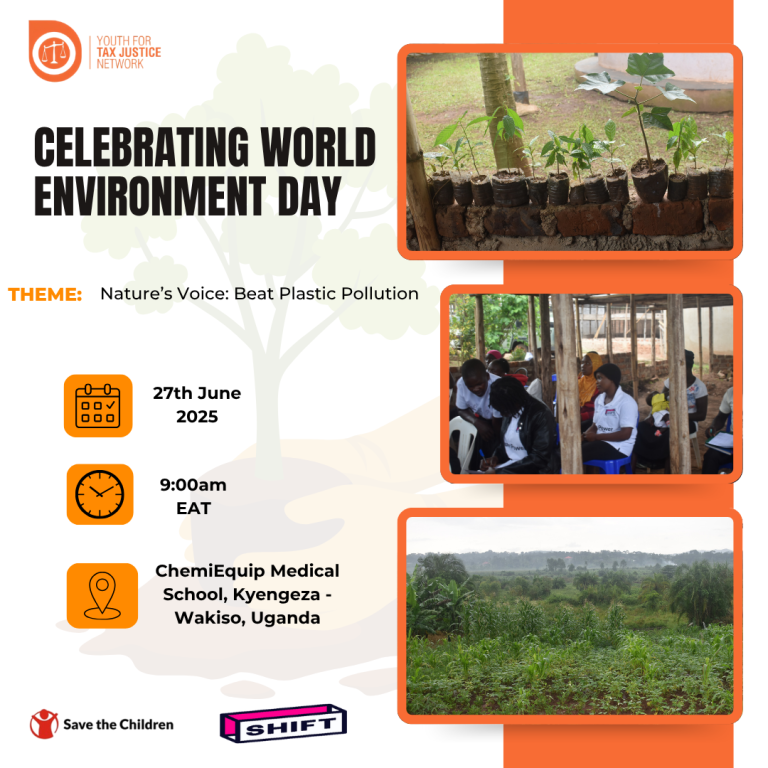
to continue calling for justice, good governance and economic accountability.World Environment Day 2025: Beat Plastic Pollution
As we approach World Environment Day on June 5, 2025, under the theme of “Beat Plastic Pollution,” we believe it is crucial to address the intertwined issues of plastic pollution and environmental degradation in our community.
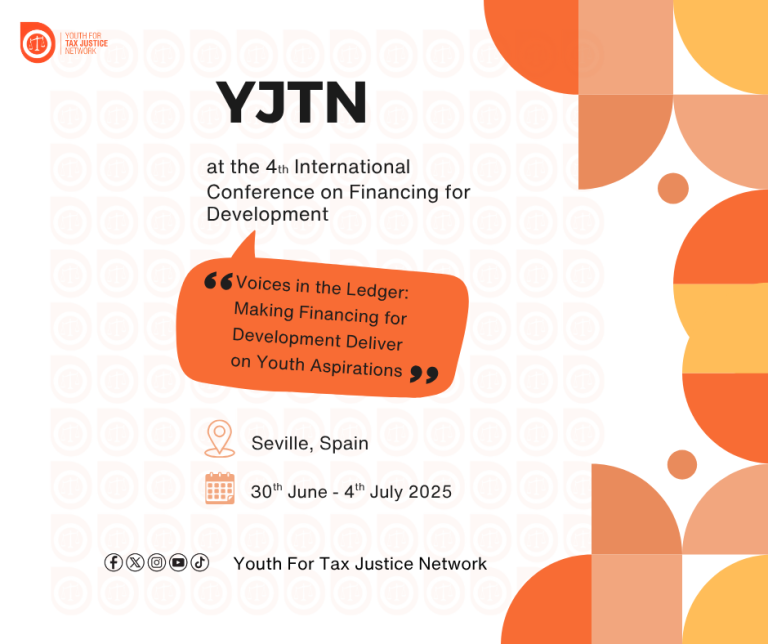
YTJN is centering youth In FfD4 agenda
The Youth for Tax Justice Network (YTJN), in collaboration with partners including, Africa-Europe Foundation and the Southern Africa Youth Forum (SAYoF) is spearheading a side event at the Fourth International Conference on Financing for Development (FfD4).