Similar Posts
YTJN Input Into The UN Tax Convention Negotiations
YTJN welcomes the opportunity to contribute to this historic process. As a global youth-led network, we stress that international tax rules must prioritize intergenerational justice, equitable public service financing, and youth participation in decision-making. Tax policy directly impacts young people’s access to education, healthcare, climate resilience, and economic opportunities.
World Environment Day 2025: Beat Plastic Pollution
As we approach World Environment Day on June 5, 2025, under the theme of “Beat Plastic Pollution,” we believe it is crucial to address the intertwined issues of plastic pollution and environmental degradation in our community.
Reimagining The Mbeki Report For A New Generation
n 2015, the Mbeki Panel on Illicit Financial Flows (IFFs) unveiled a truth that shook the continent: Africa was losing over $50 billion every year through illicit financial flows, all these are resources that could have transformed education, health, and infrastructure. Reports by the United Nations Economic Commission for Africa (UNECA), UNCTAD and TJNA in recent years have underscored that these amounts are even higher in 2025. The report did more than expose a crisis; it offered a roadmap for reclaiming Africa’s wealth and strengthening domestic resource mobilization.
A decade later, that call for action still resonates, but it now meets a generation ready to act. The Youth for Tax Justice Network (YTJN) represents this renewed energy. It demonstrates the work young people are doing to advance the Mbeki Report’s vision through advocacy, policy dialogue, and youth-led campaigns that push for greater transparency, fair taxation, and accountability across Africa and beyond.
Centering Youth In Global Tax Governance – Your Ultimate Guide to Understanding the UN Tax Convention
In an era marked by deepening inequalities and shifting global financial systems, the question of who decides how resources are raised, shared, and governed has never been more urgent. Taxation, which has been long perceived as a technical issue reserved for experts and state negotiators, is now at the heart of global justice debates. As nations move toward a new United Nations Framework Convention on International Tax Cooperation, the need to ensure inclusivity, fairness, intergenerational equity and legitimacy within this process is critical.
At this critical juncture, the Youth Tax Justice Network (YTJN) stands at the forefront of redefining participation and representation in fiscal processes and fiscourse by championing the voices, priorities, and aspirations of young people across the Global South and beyond. We are backed by the belief and recognition that youth are not merely future taxpayers, but they are present stakeholders, who continue to find ways of organizing, researching, and advocating for a tax system that delivers equity, transparency, and sustainability.
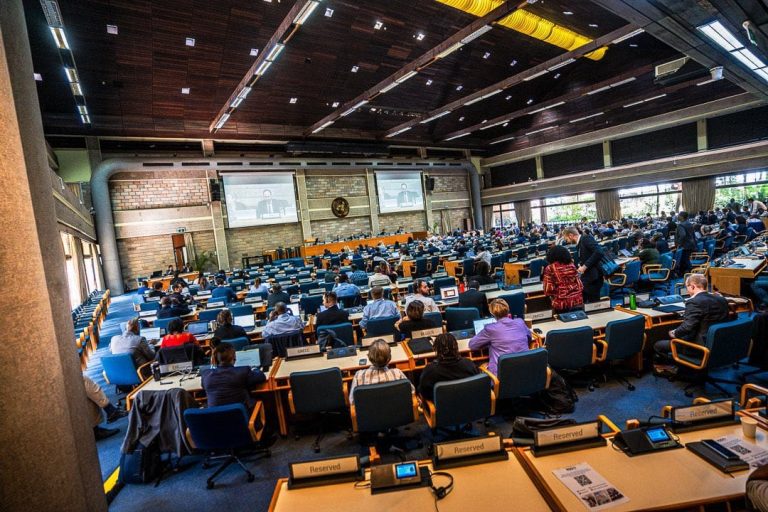
YTJN Nairobi Tax Talks RoundUp: Third Session of the Intergovernmental Negotiating Committee to Develop a UN Framework Convention on International Tax Cooperation – Day 5
Delegates at the 3rd Session of the Intergovernmental Negotiating Committee (INC3) continued working toward the development of a UN Framework Convention on International Tax Cooperation. Friday’s discussions focused on Article 11 on capacity-building and technical assistance, the digitalization of tax administration, sustainability and funding, roles of the Secretariat and COP, and updates from Workstream II on cross-border services.
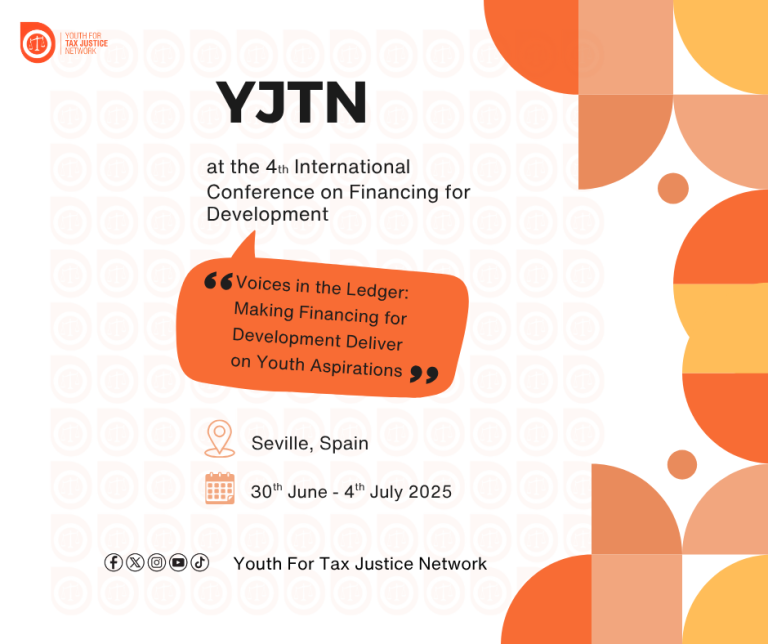
YTJN is centering youth In FfD4 agenda
The Youth for Tax Justice Network (YTJN), in collaboration with partners including, Africa-Europe Foundation and the Southern Africa Youth Forum (SAYoF) is spearheading a side event at the Fourth International Conference on Financing for Development (FfD4).