Similar Posts
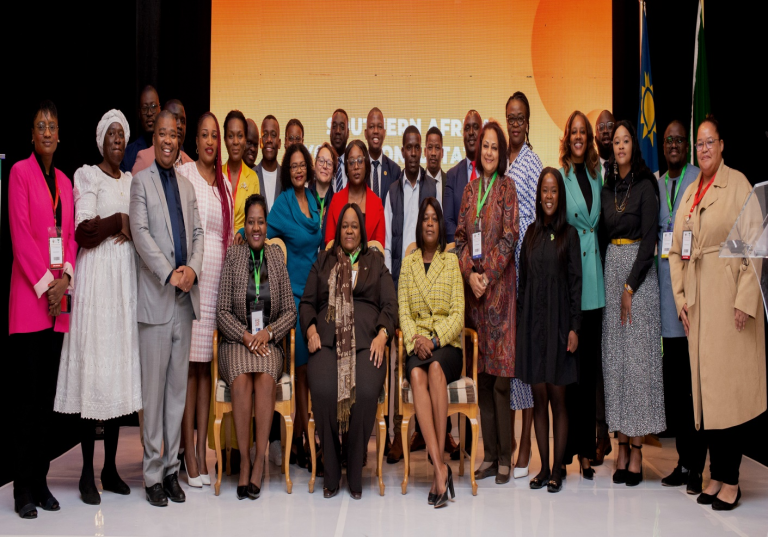
The Southern Consultations In Windhoek Namibia 2023
The 2016 Africa Human Development Report highlights that gender inequality is costing sub-Saharan Africa on average US$95 billion annually. Gender equality is therefore instrumental to achieving sustainable economic and social development and should be mainstreamed into Africa’s trade agenda to achieve sustainable and inclusive economic growth. Domestic resource mobilization has become a concern for economies in the global south because of the changing international financial architecture.
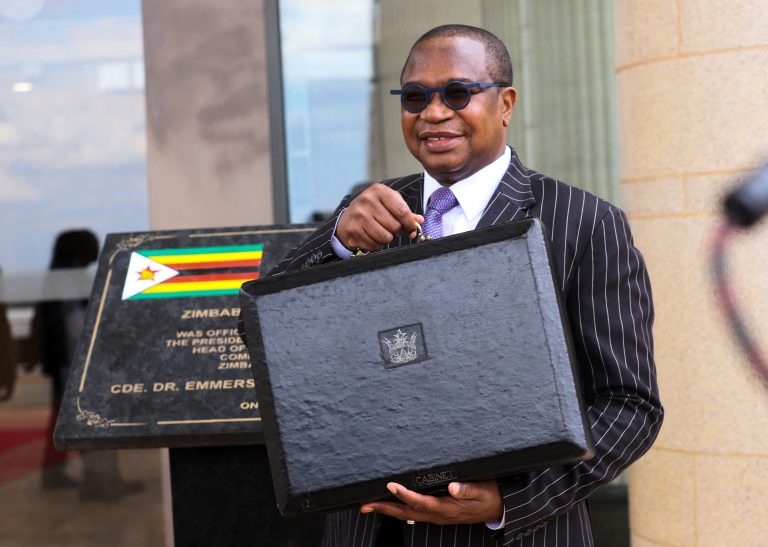
Youth-Centric Budgeting: A Critical Examination of Zimbabwe’s 2025 Budget
The national budget for Zimbabwe in 2025 has received recognition for emphasizing social services, infrastructural expansion, and economic development. A closer examination of the budget, however, indicates that it might not adequately address the urgent issues facing Zimbabwe’s youth. A large percentage of the population is young, and they confront several obstacles, such as restricted chances for entrepreneurship and innovation, lack of access to healthcare and education, and unemployment.
Uganda’s 2025 Tax Amendments: Analysis
The pathway to a just and youth-friendly tax regime is clear: policies must keep pace with the realities of young entrepreneurs, formal and informal, urban and rural alike. Only through ongoing reform, robust support systems, and genuine participatory tax justice can Uganda unlock the full power of its youth as architects of a more prosperous future.
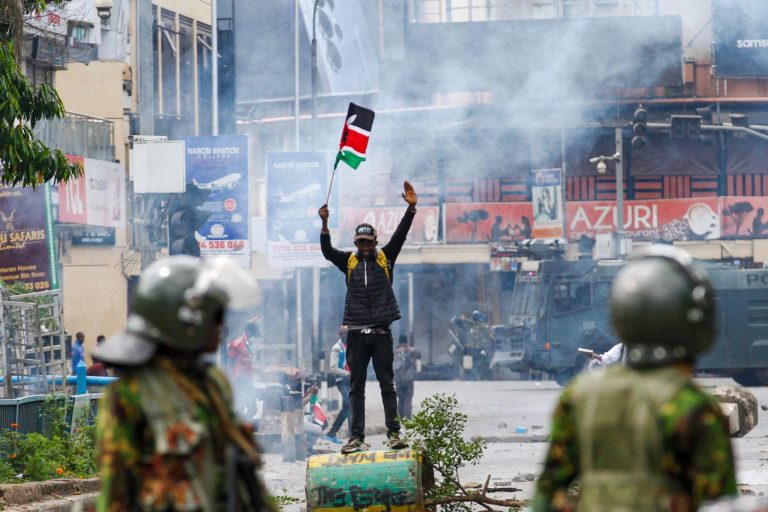
A Statement from the Youth for Tax Justice Network on the June 25 Protests in Kenya
The Youth for Tax Justice Network (YTJN) stands in solidarity with young people across Kenya who gathered peacefully on June 25 to mark one year since the tragic events of June 2024, and
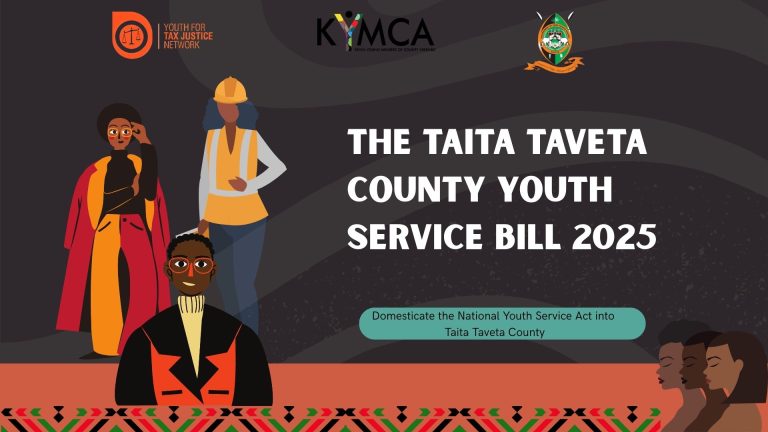
to continue calling for justice, good governance and economic accountability.The Taita Taveta County Youth Service Bill 2025
YTJN intends to once again collaborate with KYMCA to hold public hearings for the Bill with the citizens and the Assembly and then have the MCAs debate the Bill in the Assembly. This Bill once passed into law is expected to address youth unemployment, insufficient domestic resource mobilization, food insecurity, double taxation of youth operating in small and medium enterprises, teenage pregnancies, skillset mismatch amongst the youth, limited youth participation in formulation of policies and laws at County level among others.
YTJN Nairobi Tax Talks Day 7 RoundUp: Third Session of the Intergovernmental Negotiating Committee to Develop a UN Framework Convention on International Tax Cooperation
The conversation then drifted on questions on how to handle disputes in the absence of tax treaties. For developing countries, the answer was simple … “No treaty, no dispute-resolution mechanism.” For them, the Protocol should not create new legal bases.
But across the room, private sector voices insisted that disputes do not wait for treaties; businesses struggle with uncertainty, and governments lose revenue. They pressed for innovations, with some calling for strengthening MAP, others calling for coordinated unilateral Advance Pricing Agreements (APAs), and others for the view that temporary unilateral relief would prevent double taxation.