
Fiscal discipline reduces unsustainable debt levels, freeing resources for investments in sectors like agriculture, tech, and green industries, which are critical for youth employment.

Youth for Tax Justice Network (YTJN) proposes the Pan African Creative Arts Youth Competition. This initiative seeks to harness the creativity of African youth to foster innovative ideas and grassroots awareness around critical economic governance topics, including sovereign debt, the AfCFTA, climate finance, asset recovery, and the UN Framework Convention on International Tax Cooperation.

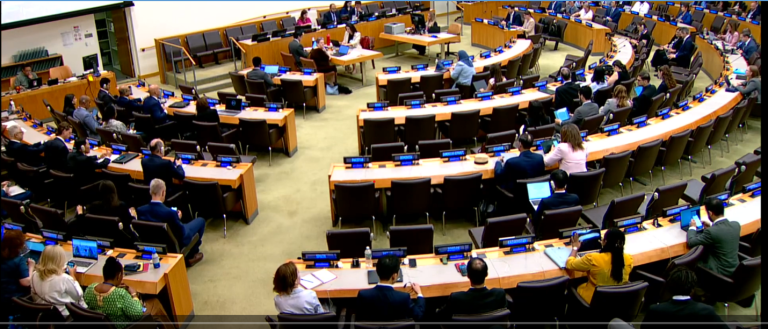
The Third Session of the Intergovernmental Negotiating Committee (INC-3) focused on advancing substantive negotiations on the UN Framework Convention on International Tax Cooperation and the Protocol on Prevention and Resolution of Tax Disputes. The programme of work was structured across two weeks, combining formal, informal, and closed meetings.
Download Full Policy
The leaders committed to “strengthen measures to curb corrupt borrowing and lending, including by enhancing domestic legal frameworks as appropriate, including clarifications regarding the authority to borrow, and fully utilizing UNCAC and its Conference of the State Parties to explore options to make such contracts unenforceable. We will establish a platform for borrower countries with support from existing institutions, and a UN entity serving as its secretariat.
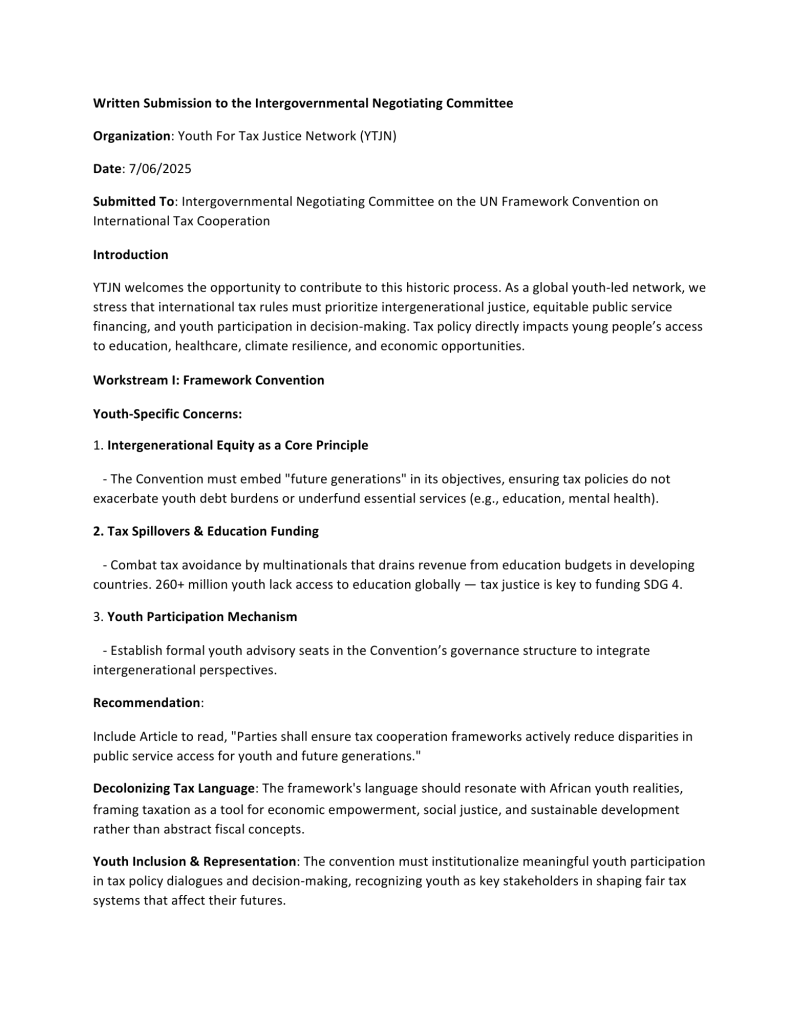
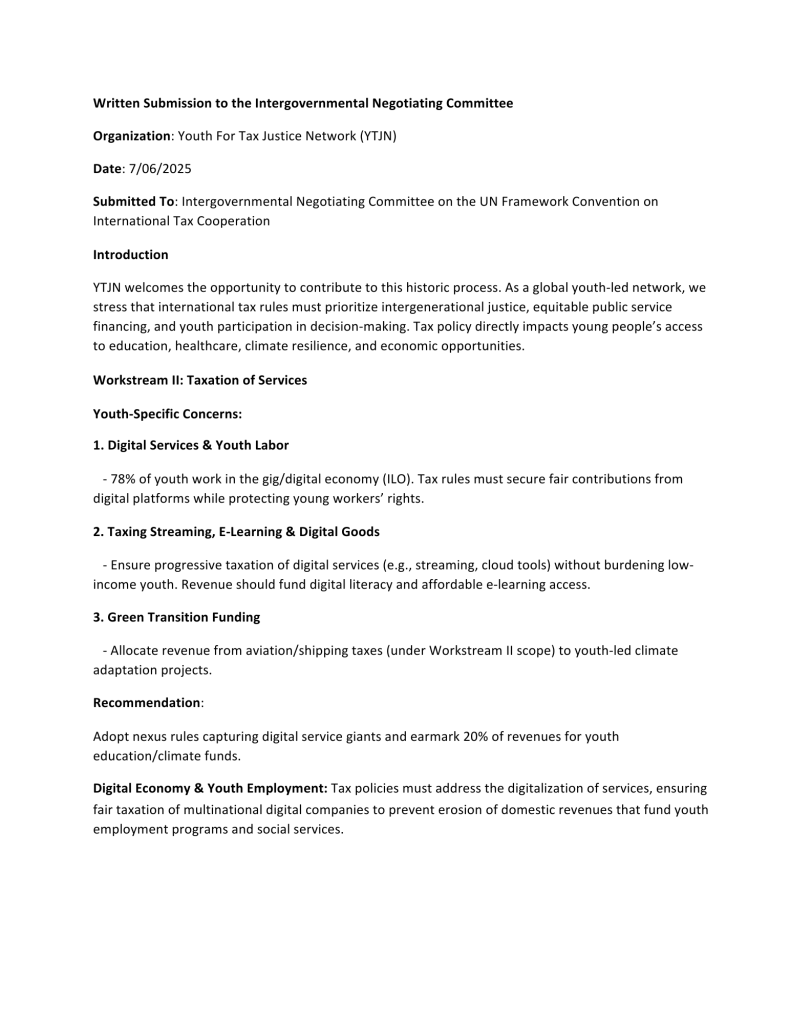
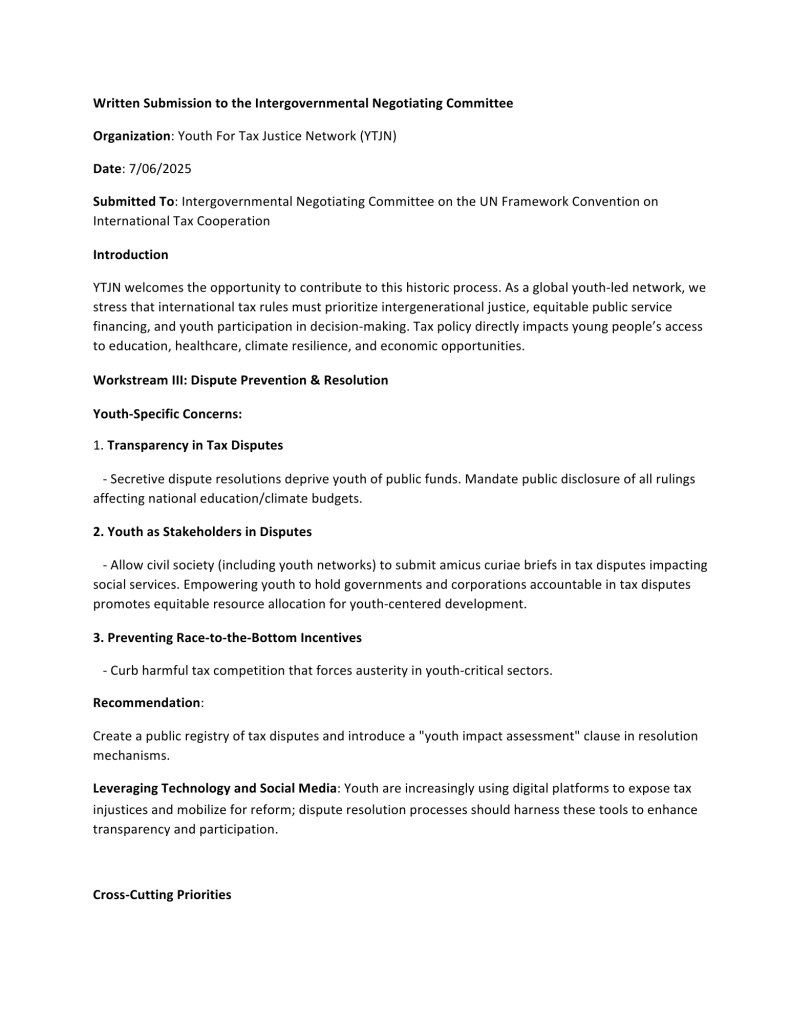
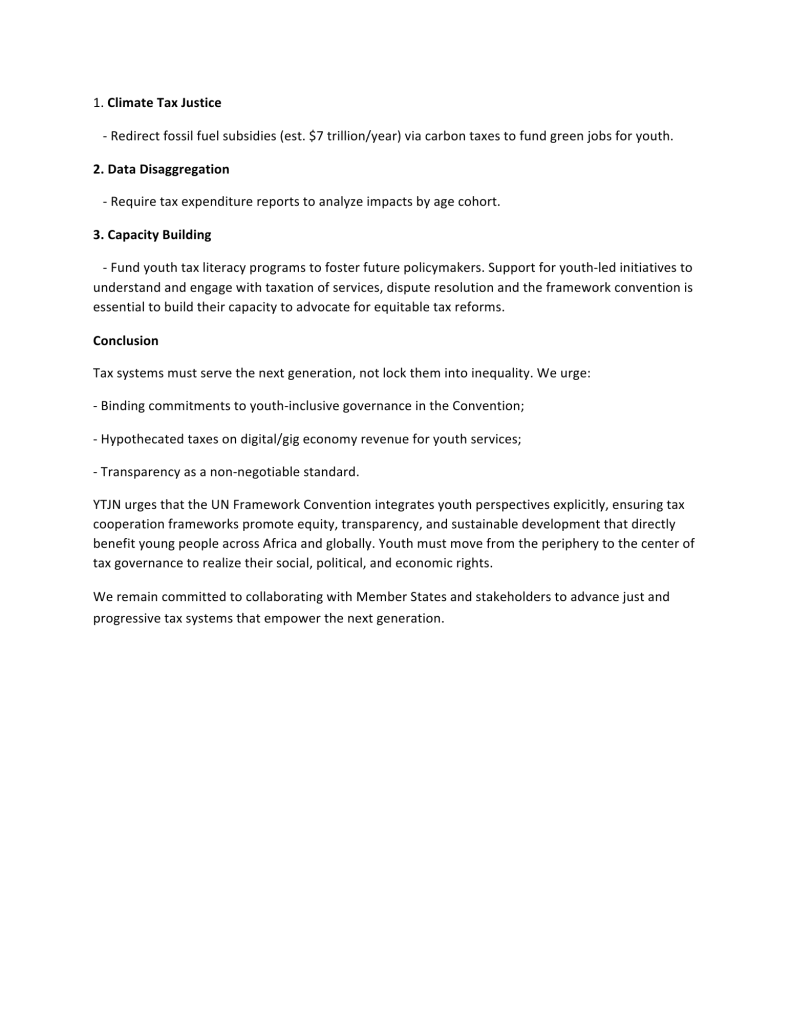
For young people across Africa and the world, these negotiations represent more than just policy debates. They offer an unprecedented opportunity to shape an economic future focused on intergenerational equity, where every resource counts, and where fiscal justice becomes a tool for equality, innovation, and opportunity.