Similar Posts
YTJN Input Into The UN Tax Convention Negotiations
YTJN welcomes the opportunity to contribute to this historic process. As a global youth-led network, we stress that international tax rules must prioritize intergenerational justice, equitable public service financing, and youth participation in decision-making. Tax policy directly impacts young people’s access to education, healthcare, climate resilience, and economic opportunities.
YTJN is centering youth In FfD4 agenda
The Youth for Tax Justice Network (YTJN), in collaboration with partners including, Africa-Europe Foundation and the Southern Africa Youth Forum (SAYoF) is spearheading a side event at the Fourth International Conference on Financing for Development (FfD4).
Independent Continental Youth Advisory Council on AfCFTA And YTJN Collaborate For Youth Involvement in AfCFTA
YTJN & ICOYACA are collaborating to combine their resources and expertise to jointly carry out activities like policy engagements, caravans bazaars, campaigns, etc. aimed at creating awareness of the African Continental Free Trade Area (AfCFTA) amongst the youth.
Pan African Creative Arts Youth Competition 2025
Youth for Tax Justice Network (YTJN) proposes the Pan African Creative Arts Youth Competition. This initiative seeks to harness the creativity of African youth to foster innovative ideas and grassroots awareness around critical economic governance topics, including sovereign debt, the AfCFTA, climate finance, asset recovery, and the UN Framework Convention on International Tax Cooperation.
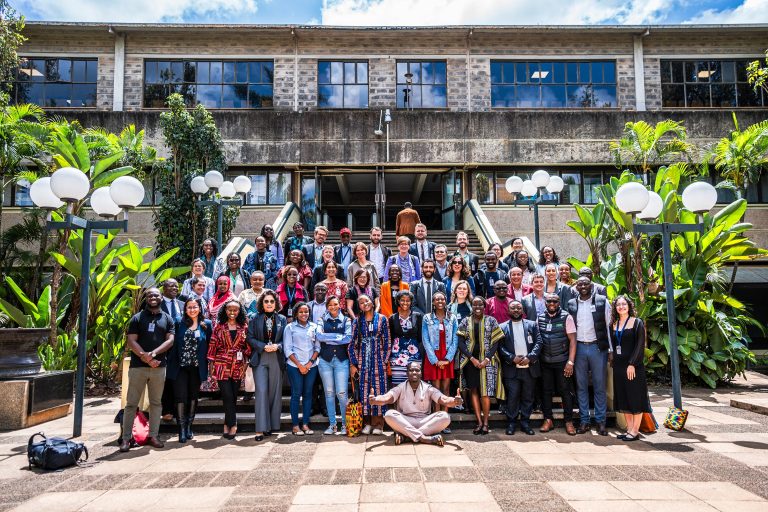
YTJN Nairobi Tax Talks RoundUp: Third Session of the Intergovernmental Negotiating Committee to Develop a UN Framework Convention on International Tax Cooperation – Day 4
The third intergovernmental session on the UN Tax Convention, hosted in Nairobi, Kenya, has three main objectives: to review the draft text of the Framework Convention negotiations to reach a common understanding on the articles and protocols and develop a more coherent text in the coming months; to provide updates on progress made during the intersessional period on Protocol 1, concerning the taxation of income from cross-border services, with a view to presenting potential options and approaches for the committee’s consideration during the 4th session in February 2026; and to turn to Protocol 2, where the workstream has begun developing preliminary approaches outlined in the concept note.
Youth and Climate Justice: An Assessment of COP29 Outcomes on Climate Financing for Low-Income Countries
Youth are also greatly impacted by climate change due to the loss of educational and skill-building opportunities. The United Nations Children’s Fund (UNICEF) estimates that by 2050, climate change would cause up to 1.8 billion school days to be lost worldwide, which will have a catastrophic effect on the education and skill-building of young people.