Similar Posts
Concours panafricain des jeunes artistes créatifs 2025
C’est dans cette optique que le Youth for Tax Justice Network (YTJN) propose le Concours Panafricain de Jeunes en Arts Créatifs, une initiative qui vise à mobiliser la créativité de la jeunesse africaine afin de stimuler des idées novatrices et une prise de conscience populaire sur des enjeux clés de la gouvernance économique tels que la dette souveraine, la ZLECAf, le financement climatique, la récupération d’actifs et la Convention-cadre des Nations Unies sur la coopération fiscale internationale.
The Role of Youth in Promoting Human Rights and Social Justice in the SADC Region
Apart from engaging in activism and lobbying, young people in the SADC area also use community-based projects to advance social justice and human rights. Numerous youth in the neighborhood participate in community-based initiatives that support social justice and human rights, especially in the fields of economic empowerment, health, and education.
The 6th Southern Africa Youth Forum Harare Declaration
We recognize that the youth of Southern Africa represent an immense reservoir of energy, creativity, and potential that is critical to the continued progress and prosperity of our communities. As present leaders and change-makers of our region, we have a vital role to play in addressing the complex social, political, economic, and environmental challenges that we face. We have a role to complement our governments, the private sector, and all developmental actors to ensure access to quality and affordable education for the SADC child.
Namibia’s Golden Realm
In the golden realm of Namibia’s grace, Where dreams take flight, and youth embrace, A call for justice…
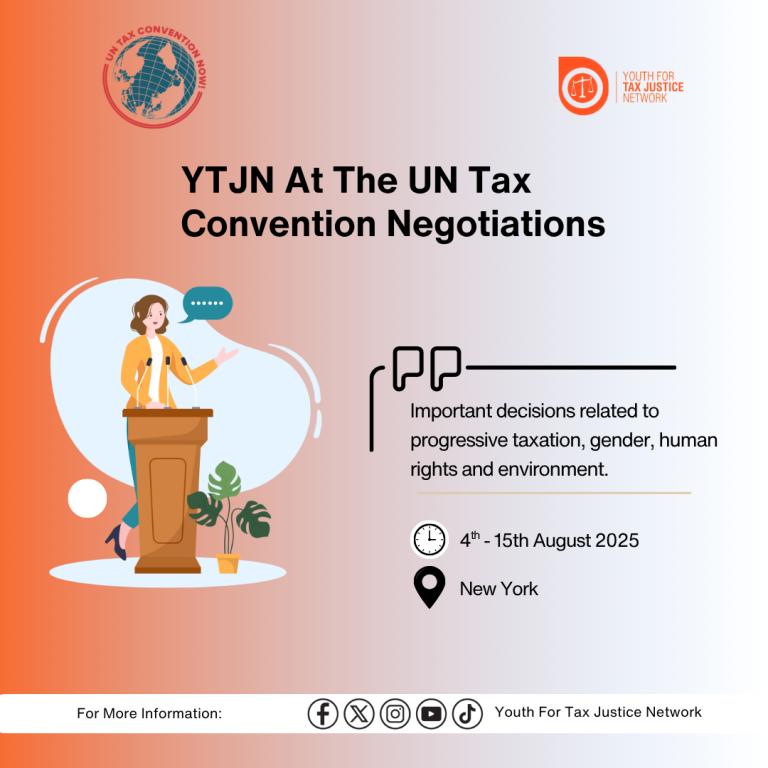
YTJN Input Into The UN Tax Convention Negotiations
YTJN welcomes the opportunity to contribute to this historic process. As a global youth-led network, we stress that international tax rules must prioritize intergenerational justice, equitable public service financing, and youth participation in decision-making. Tax policy directly impacts young people’s access to education, healthcare, climate resilience, and economic opportunities.
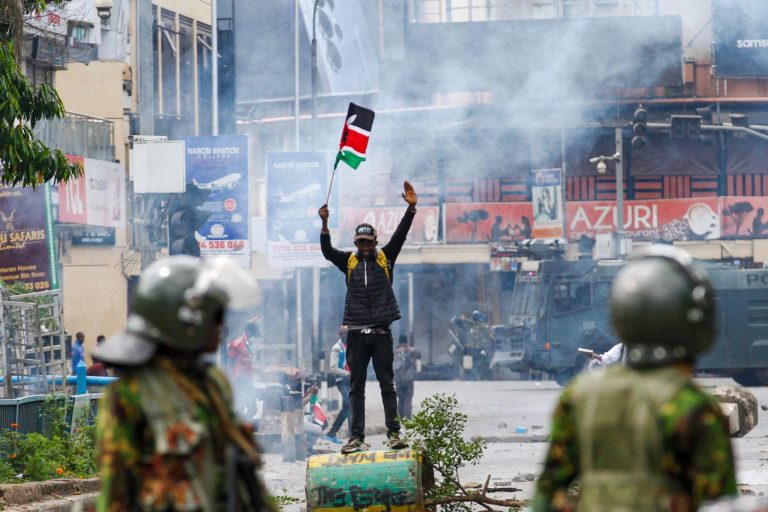
A Statement from the Youth for Tax Justice Network on the June 25 Protests in Kenya
The Youth for Tax Justice Network (YTJN) stands in solidarity with young people across Kenya who gathered peacefully on June 25 to mark one year since the tragic events of June 2024, and
to continue calling for justice, good governance and economic accountability.