Similar Posts
Intergovernmental Negotiations on the UN Tax Convention Resume in New York with Renewed Opportunity to Center Youth Voices in Global Tax Governance
Specifically, the Youth Tax Justice Network (YTJN) will be present at the Fourth INC Session, advocating for youth-inclusive tax governance, intergenerational accountability, and transparent fiscal systems that respond to the social and economic realities facing young people globally. YTJN aims to contribute youth-centered perspectives to ongoing debates on taxing rights, transparency, and international cooperation against tax abuse.
Plea For Tax Justice In Africa
“Taxation is the price which civilized communities pay for the opportunity of remaining civilized”. …
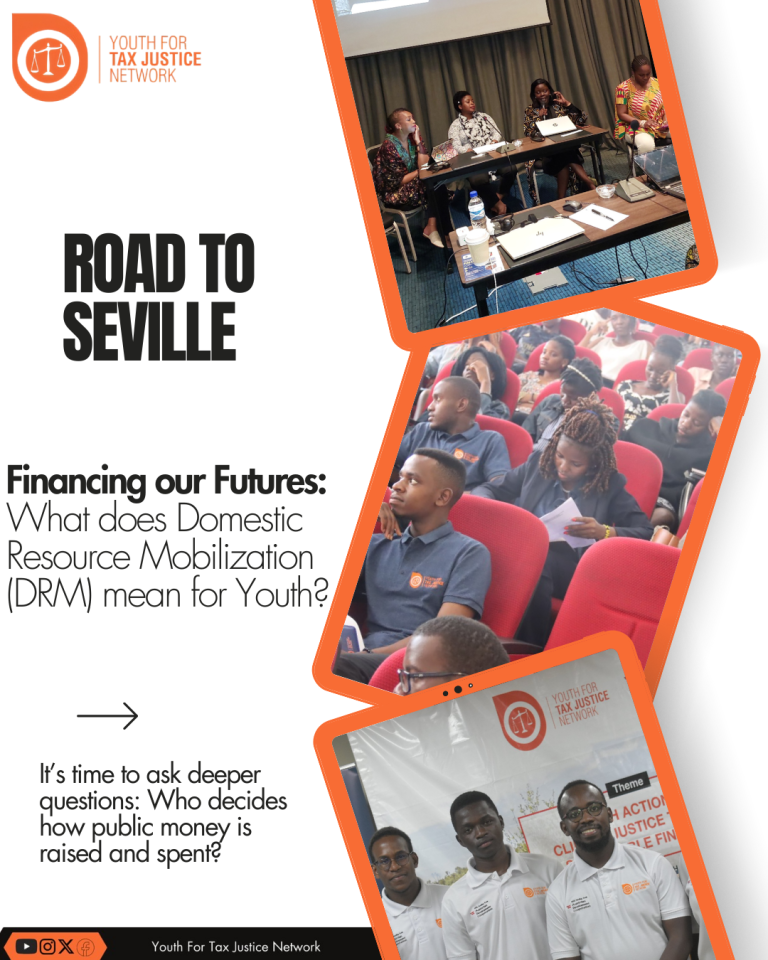
Financing our Futures: What does Domestic Resource Mobilization (DRM) mean for Youth?
Youth should care. The main reason is because we’re paying, but not heard. Africa is the youngest continent in the world, with over 60% of its population under the age of 25. Yet despite being the majority, young people are among the most heavily taxed, especially through consumption taxes such as VAT on airtime, mobile money, transport, and everyday goods.
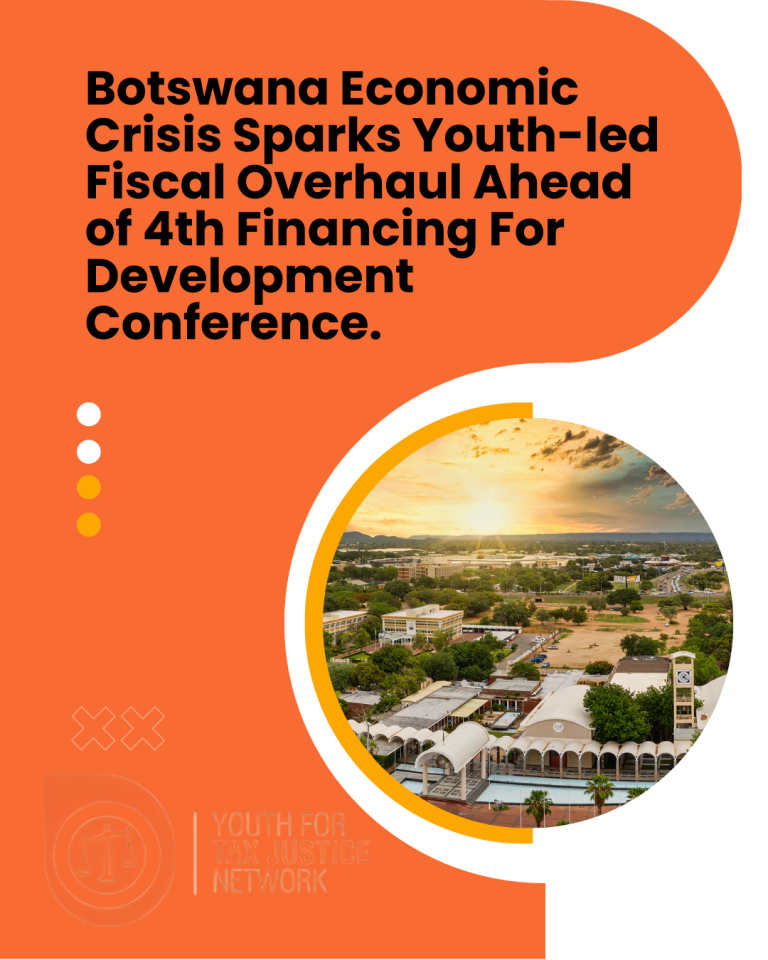
Botswana Economic Crisis Sparks Youth-led Fiscal Overhaul Ahead of 4th Financing For Development Conference.
As Batswana grapple with a BWP 22 billion budget deficit (9% of GDP in 2024), rising public debt of 27.4% of GDP, squeezing funds for youth-centric programs and youth unemployment at 43.86%, underscoring the urgency of prioritizing job creation and social services for the nation’s youth-dominated population (70% under 35), the FfD4 presents an opportunity for Batswana to redefine global rules on sovereign debt, a critical issue for Botswana as diamond revenue volatility strains public finances.
Implementing the Auditor General’s Recommendations for Fiscal Discipline and Domestic Resource Mobilisation in Uganda
Fiscal discipline reduces unsustainable debt levels, freeing resources for investments in sectors like agriculture, tech, and green industries, which are critical for youth employment.