Similar Posts
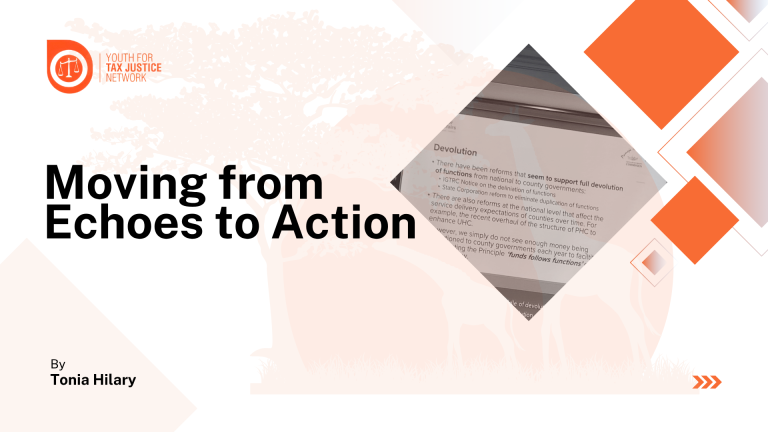
Moving from Echoes to Action
A key discussion point was the looming public debt crisis, driven more by domestic borrowing than external sources. This inward borrowing approach has the unintended effect of shrinking fiscal space and crowding out essential public services.
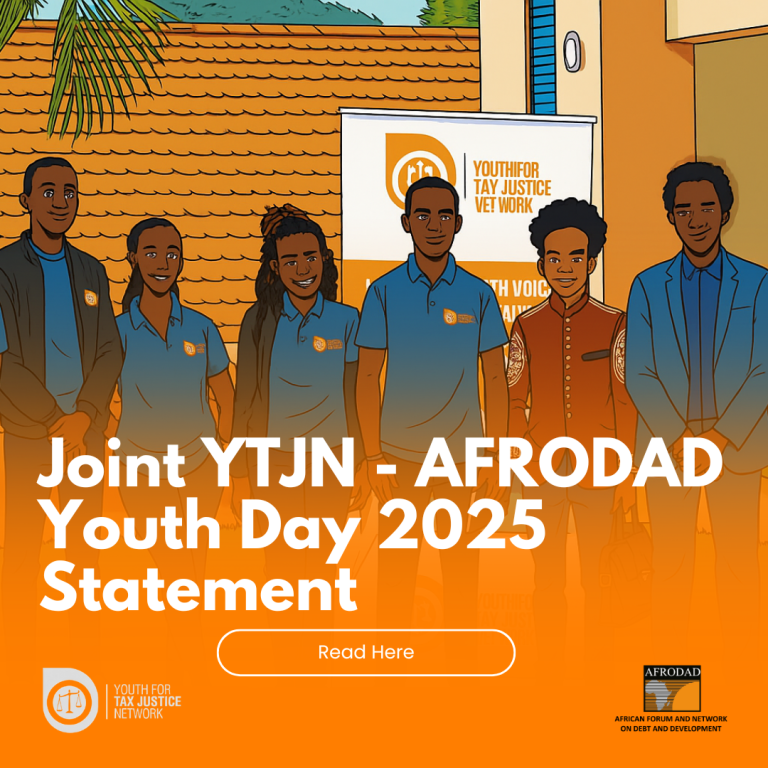
International Youth Day 2025 solidarity statement
As the Harare Declaration states, the African youth bulge as an engine for the continent’s structural transformation agenda is at risk of being a missed opportunity due to being saddled with accumulated debt, while potentially being locked out of accessing finance that is desperately needed to invest in them, and making them carry the burden of a mortgaged future. Instead of investing in our potential, governments are forced to divert billions to creditors, too often to lenders who prioritise profit over people. This is not only an economic imbalance; it is a generational betrayal. We thus demand debt and tax justice that put people and the planet first.
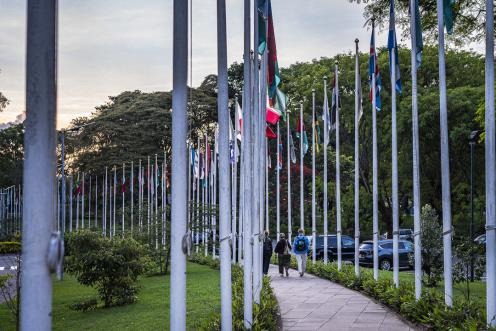
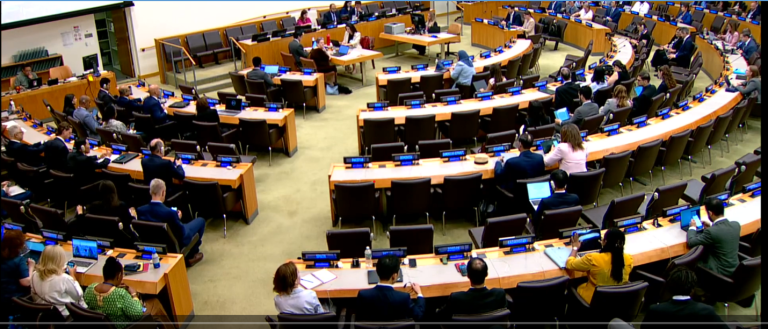
Third Session of UN Tax Convention Negotiations Kicks Off in Nairobi as Governments Begin Text-Based Discussions
For young people across Africa and the world, these negotiations represent more than just policy debates. They offer an unprecedented opportunity to shape an economic future focused on intergenerational equity, where every resource counts, and where fiscal justice becomes a tool for equality, innovation, and opportunity.
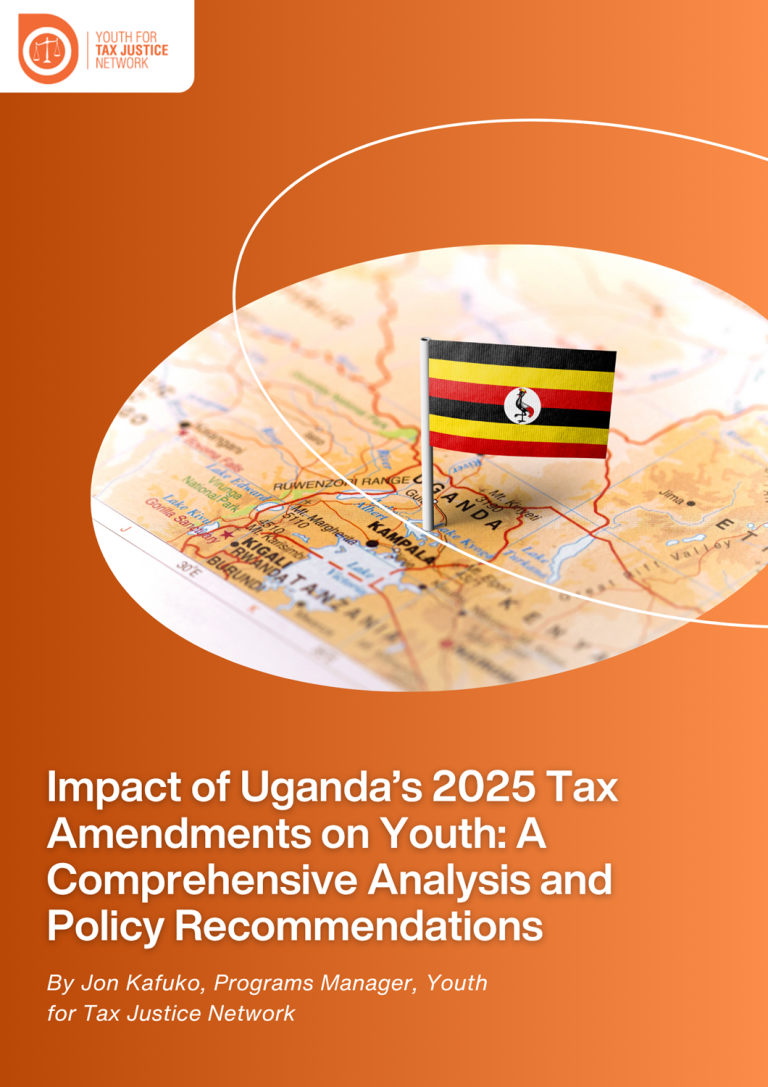
Uganda’s 2025 Tax Amendments: Analysis
The pathway to a just and youth-friendly tax regime is clear: policies must keep pace with the realities of young entrepreneurs, formal and informal, urban and rural alike. Only through ongoing reform, robust support systems, and genuine participatory tax justice can Uganda unlock the full power of its youth as architects of a more prosperous future.