Similar Posts
Independent Continental Youth Advisory Council on AfCFTA And YTJN Collaborate For Youth Involvement in AfCFTA
YTJN & ICOYACA are collaborating to combine their resources and expertise to jointly carry out activities like policy engagements, caravans bazaars, campaigns, etc. aimed at creating awareness of the African Continental Free Trade Area (AfCFTA) amongst the youth.
The 6th Southern Africa Youth Forum Harare Declaration
We recognize that the youth of Southern Africa represent an immense reservoir of energy, creativity, and potential that is critical to the continued progress and prosperity of our communities. As present leaders and change-makers of our region, we have a vital role to play in addressing the complex social, political, economic, and environmental challenges that we face. We have a role to complement our governments, the private sector, and all developmental actors to ensure access to quality and affordable education for the SADC child.
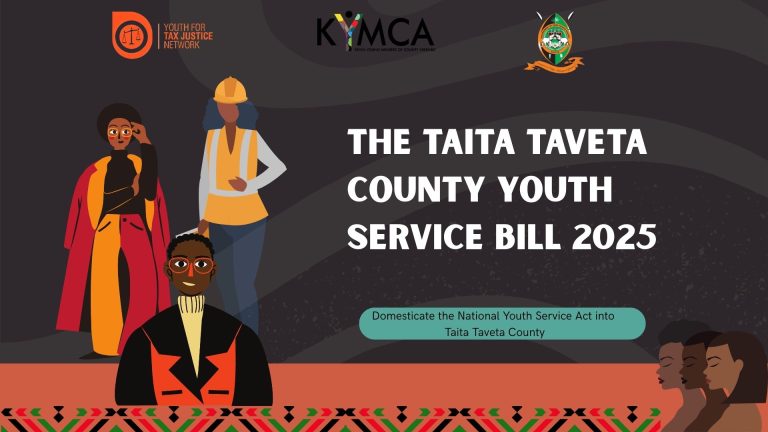
The Taita Taveta County Youth Service Bill 2025
YTJN intends to once again collaborate with KYMCA to hold public hearings for the Bill with the citizens and the Assembly and then have the MCAs debate the Bill in the Assembly. This Bill once passed into law is expected to address youth unemployment, insufficient domestic resource mobilization, food insecurity, double taxation of youth operating in small and medium enterprises, teenage pregnancies, skillset mismatch amongst the youth, limited youth participation in formulation of policies and laws at County level among others.
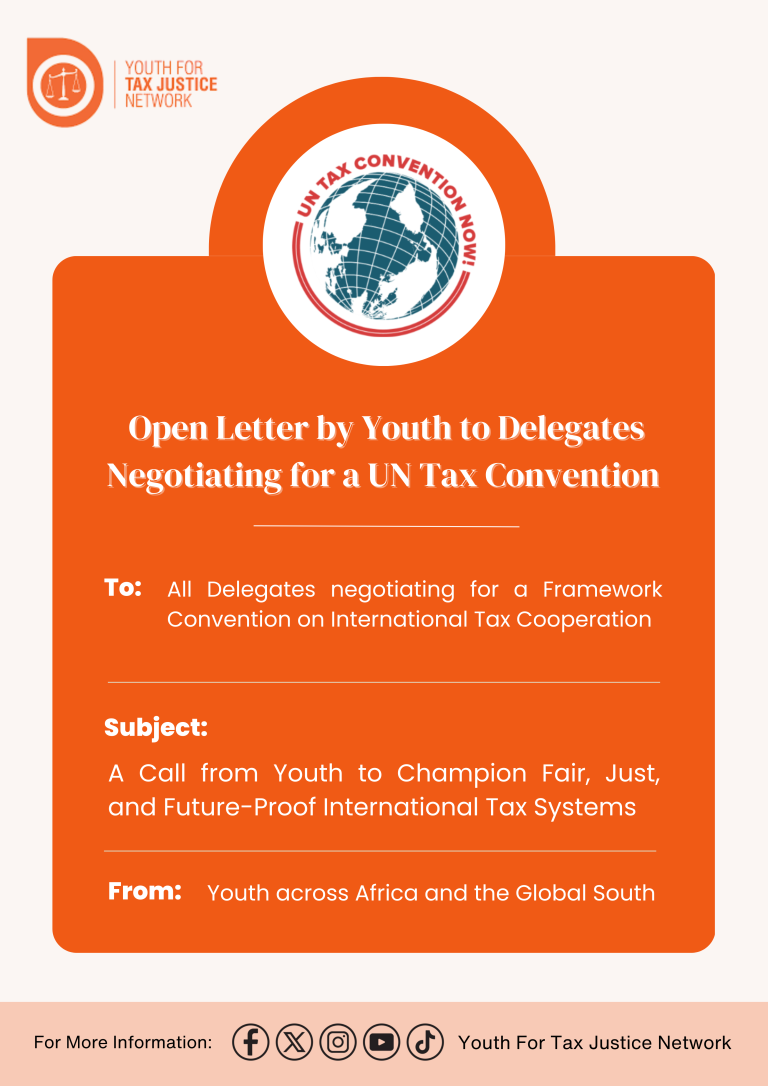
Youth Letter to Delegates Negotiating the UN Tax Convention Negotiations
We write to you as the Youth for Tax Justice Network (YTJN), a global, youth-led coalition advocating for inclusive and equitable
tax systems that serve the needs of both present and future generations across Africa and Europe. As the Intergovernmental
Negotiating Committee deliberates on the United Nations Framework Convention on International Tax Cooperation in New York,
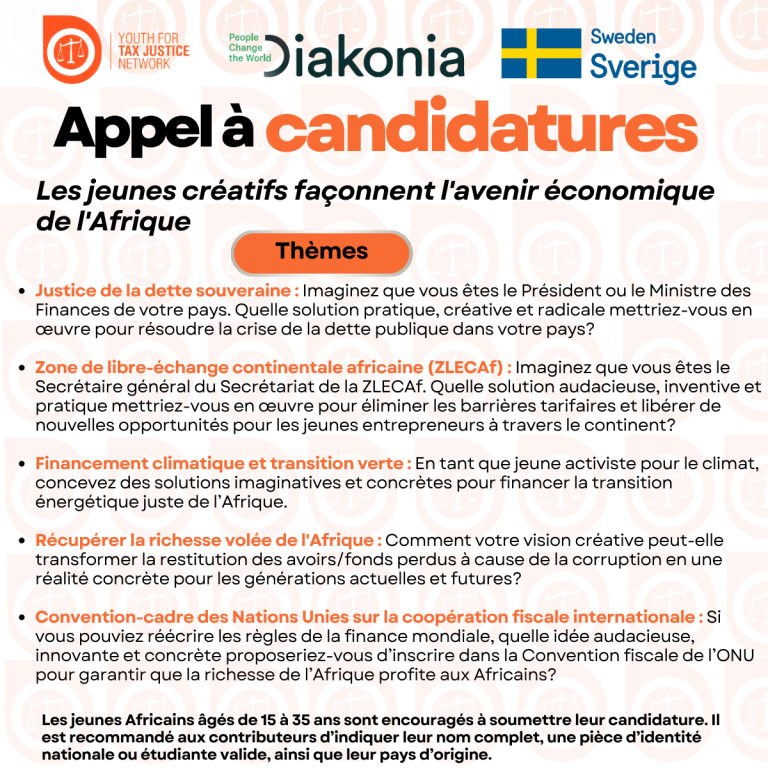
we urge you to recognize this moment for what it is: a generational turning point.Concours panafricain des jeunes artistes créatifs 2025
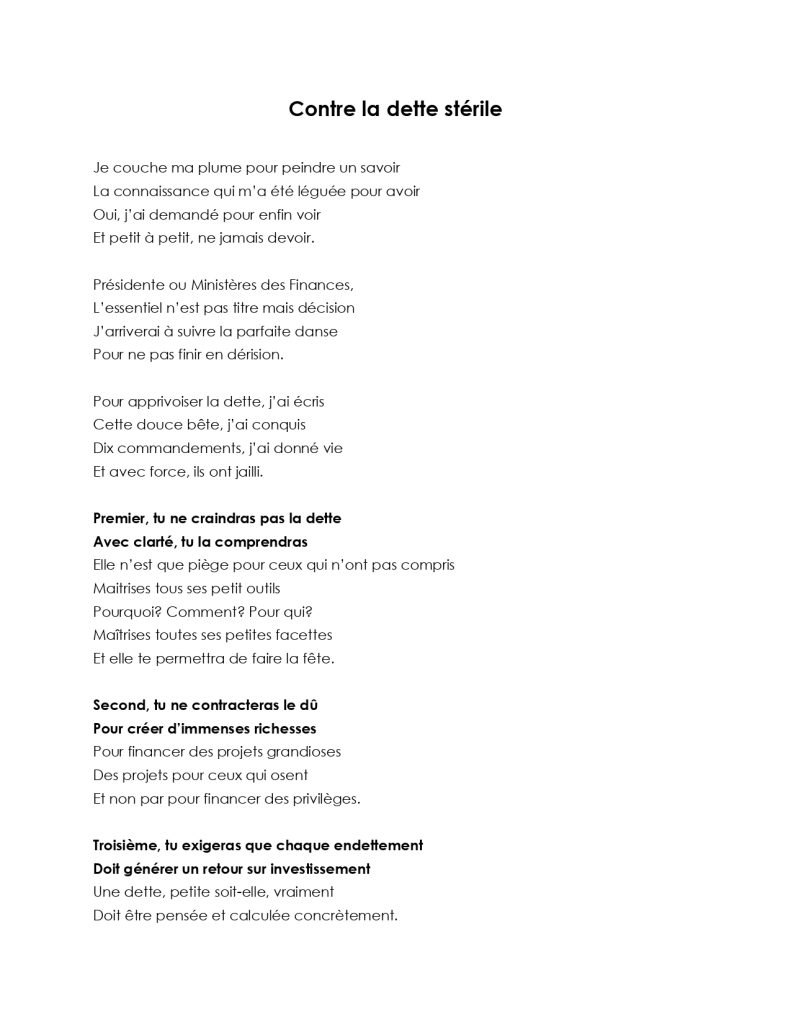
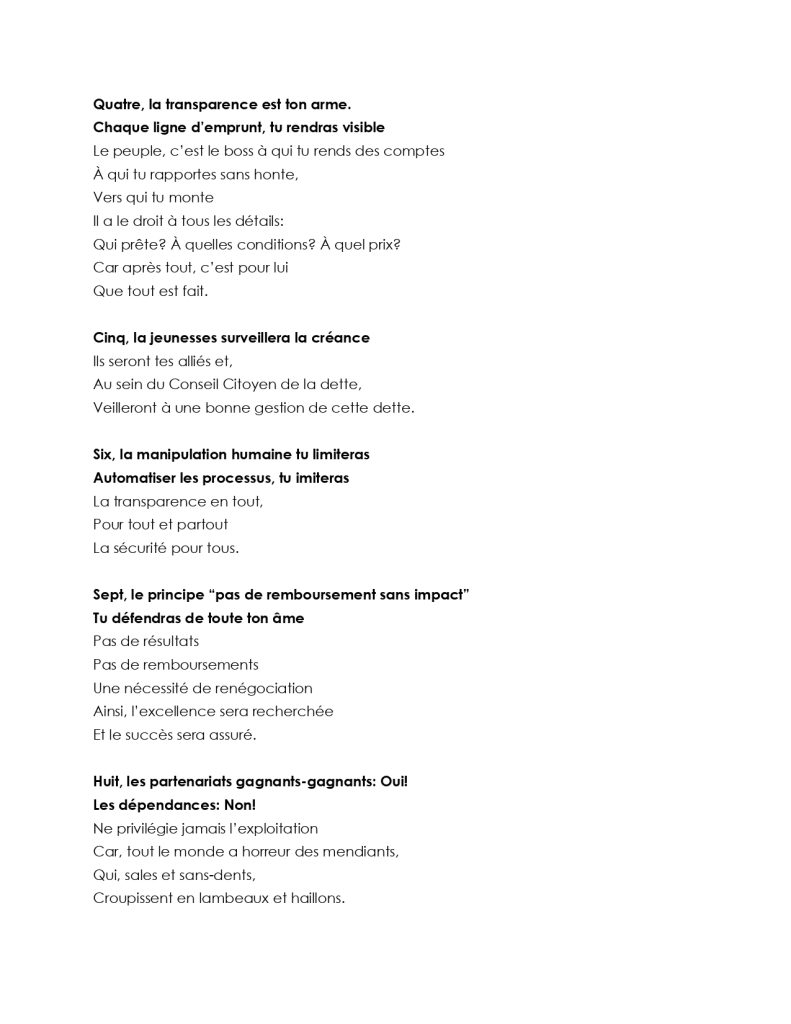
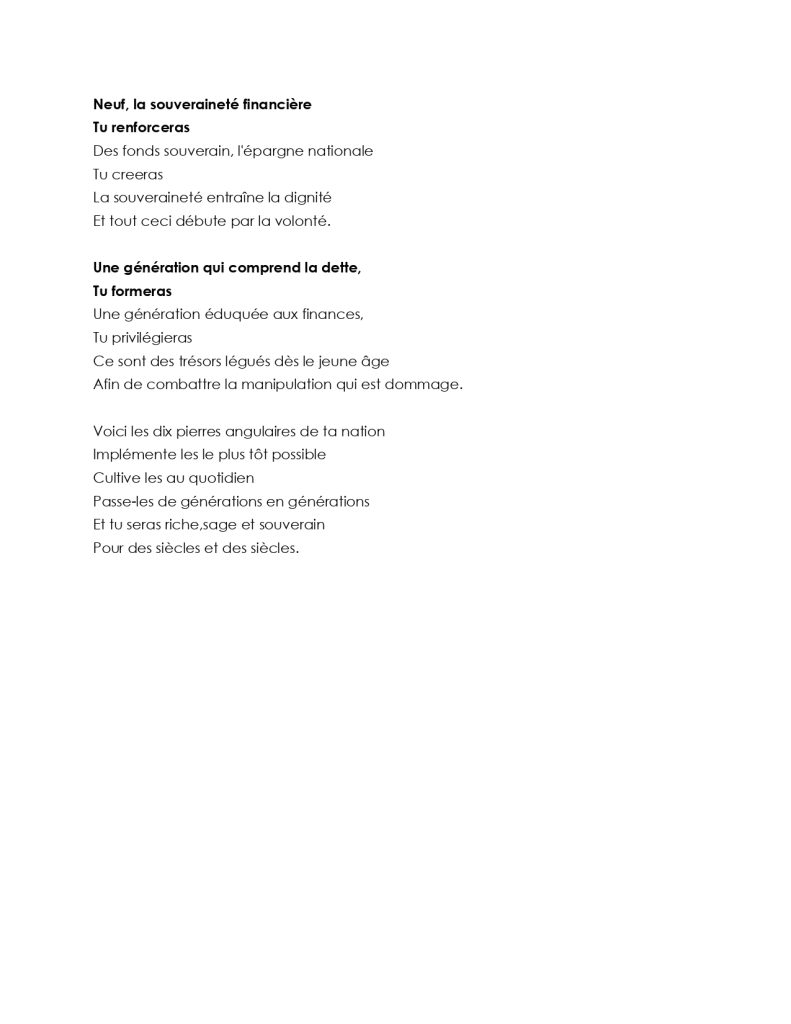
C’est dans cette optique que le Youth for Tax Justice Network (YTJN) propose le Concours Panafricain de Jeunes en Arts Créatifs, une initiative qui vise à mobiliser la créativité de la jeunesse africaine afin de stimuler des idées novatrices et une prise de conscience populaire sur des enjeux clés de la gouvernance économique tels que la dette souveraine, la ZLECAf, le financement climatique, la récupération d’actifs et la Convention-cadre des Nations Unies sur la coopération fiscale internationale.