Kenya Youth Manifesto Asks
The youth of Kenya are a most resourceful, innovative, and active segment of our society. It generates ideas and their applications to spur and catalyse social and economic transformation.
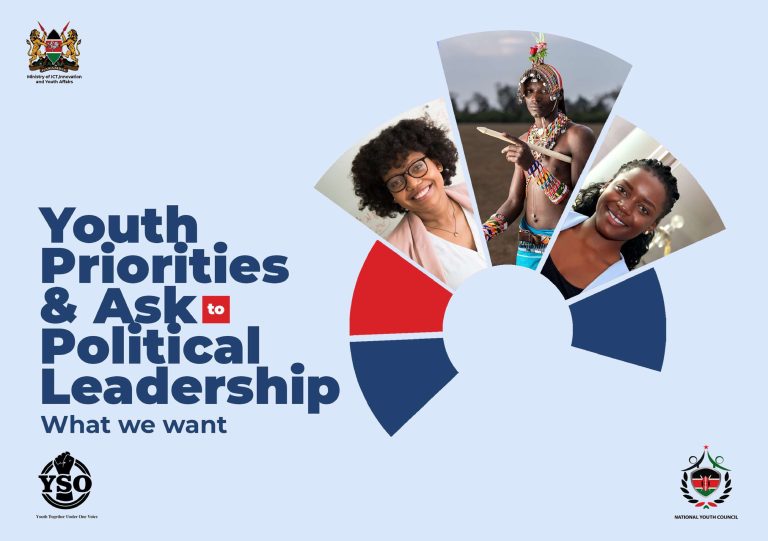
The youth of Kenya are a most resourceful, innovative, and active segment of our society. It generates ideas and their applications to spur and catalyse social and economic transformation.
Specifically, the Youth Tax Justice Network (YTJN) will be present at the Fourth INC Session, advocating for youth-inclusive tax governance, intergenerational accountability, and transparent fiscal systems that respond to the social and economic realities facing young people globally. YTJN aims to contribute youth-centered perspectives to ongoing debates on taxing rights, transparency, and international cooperation against tax abuse.
Uganda’s participation in the UNFCCC process continues to affirm our unwavering commitment to global climate action, sustainable development, and resilience building. As one of the Least Developed Countries (LDCs), Uganda remains steadfast in advocating for fairness, equity, and access to finance, technology, and capacity building under the principle of Common but Differentiated Responsibilities and Respective Capabilities (CBDR–RC).
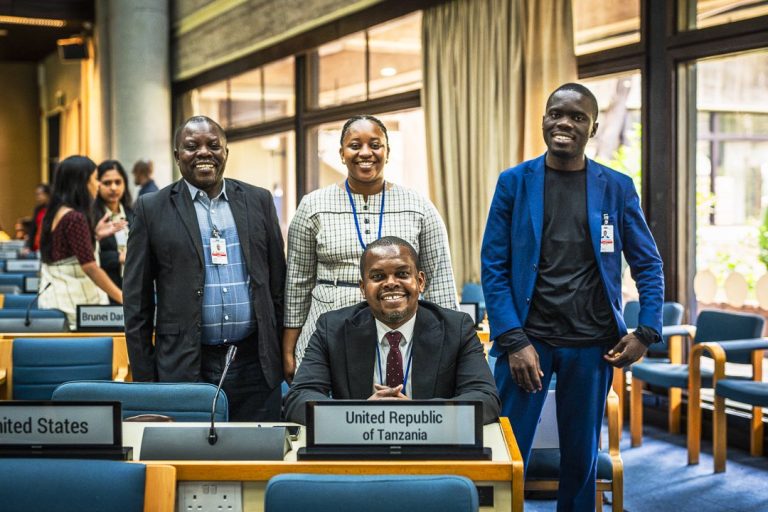
The conversation then drifted on questions on how to handle disputes in the absence of tax treaties. For developing countries, the answer was simple … “No treaty, no dispute-resolution mechanism.” For them, the Protocol should not create new legal bases.
But across the room, private sector voices insisted that disputes do not wait for treaties; businesses struggle with uncertainty, and governments lose revenue. They pressed for innovations, with some calling for strengthening MAP, others calling for coordinated unilateral Advance Pricing Agreements (APAs), and others for the view that temporary unilateral relief would prevent double taxation.

Delegates agreed on the importance of preventing disputes before they occur. Yet tools like advance pricing agreements, joint audits, simultaneous examinations, and cooperative compliance programs remain unevenly accessible. Key views included support for a legal basis enabling cross-border preventive cooperation, strong calls for capacity-building, information-sharing, and improved access to timely data, and emphasis on strengthening information systems and exchange-of-information frameworks. Interests were also seen in optional cross-border prevention mechanisms backed by future best practices and CoP-led support.
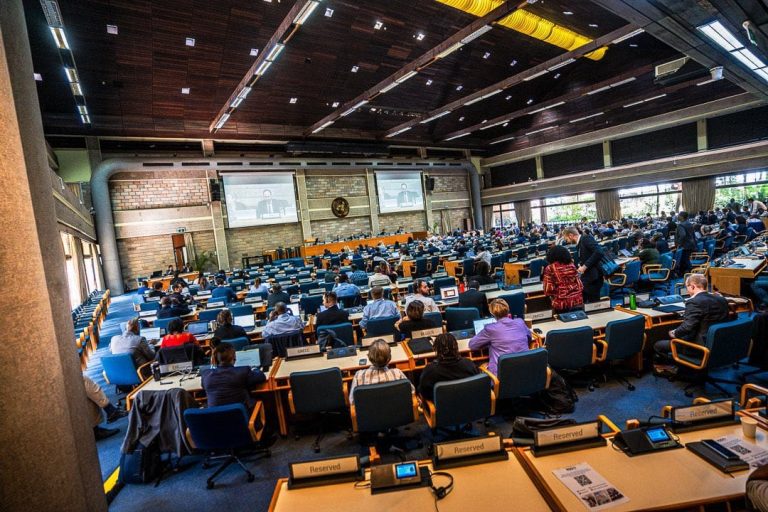
Delegates at the 3rd Session of the Intergovernmental Negotiating Committee (INC3) continued working toward the development of a UN Framework Convention on International Tax Cooperation. Friday’s discussions focused on Article 11 on capacity-building and technical assistance, the digitalization of tax administration, sustainability and funding, roles of the Secretariat and COP, and updates from Workstream II on cross-border services.
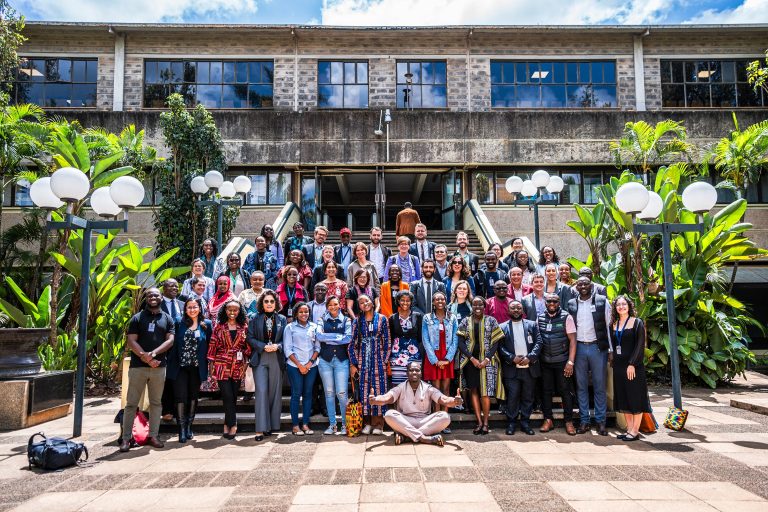
The third intergovernmental session on the UN Tax Convention, hosted in Nairobi, Kenya, has three main objectives: to review the draft text of the Framework Convention negotiations to reach a common understanding on the articles and protocols and develop a more coherent text in the coming months; to provide updates on progress made during the intersessional period on Protocol 1, concerning the taxation of income from cross-border services, with a view to presenting potential options and approaches for the committee’s consideration during the 4th session in February 2026; and to turn to Protocol 2, where the workstream has begun developing preliminary approaches outlined in the concept note.
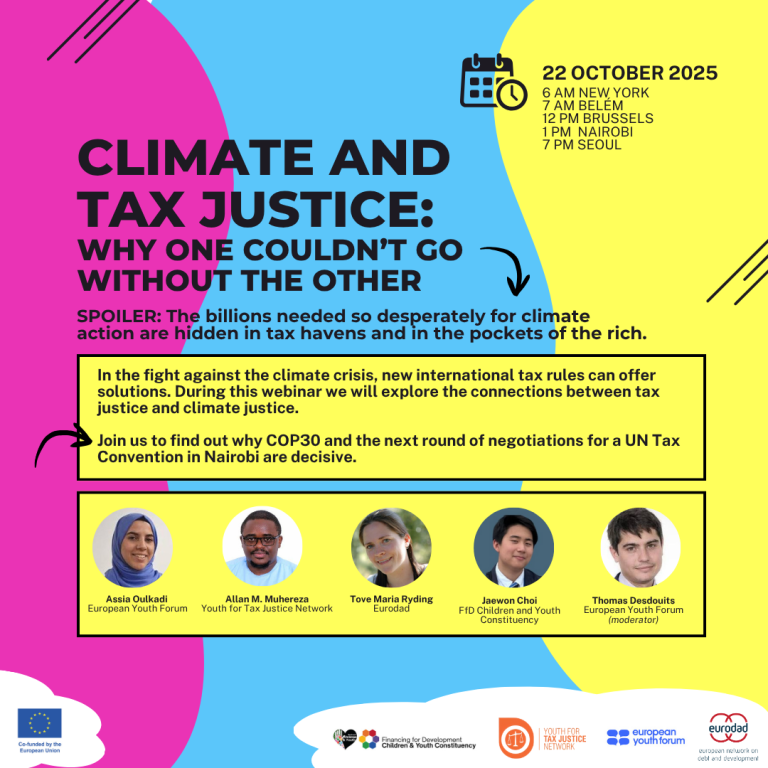
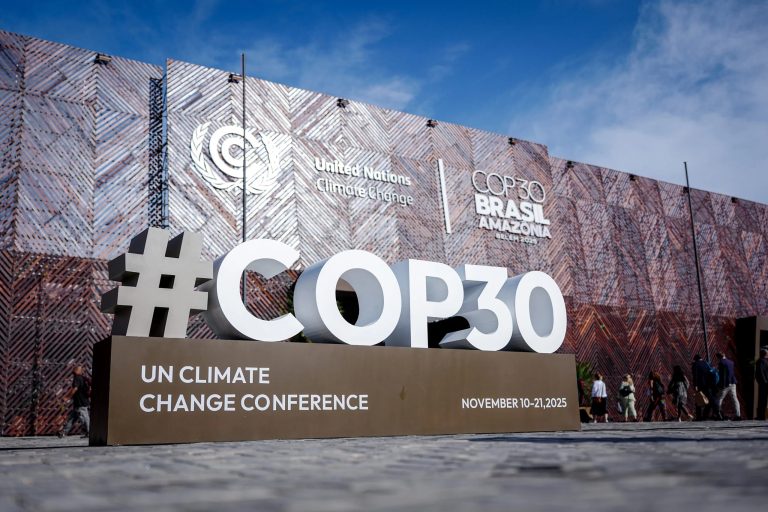
This November, young people from across the world come together to explore an urgent connection that few are talking about: how the UN Climate Conference (COP 30) in Belém and the UN negotiations for a Framework Convention on International Tax Cooperation in Nairobi are part of the same story.
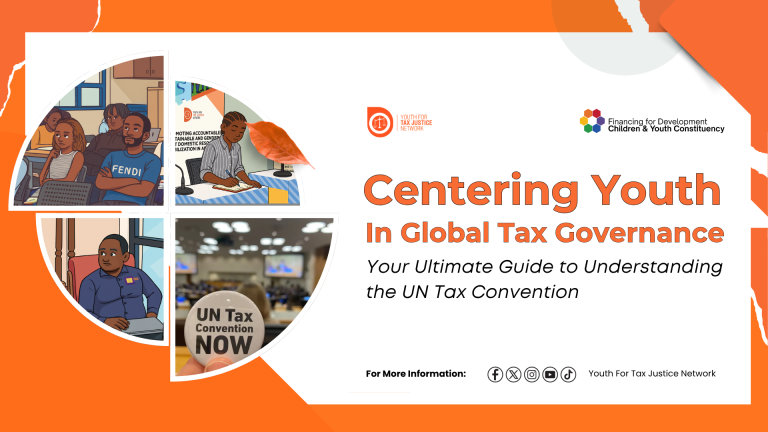
In an era marked by deepening inequalities and shifting global financial systems, the question of who decides how resources are raised, shared, and governed has never been more urgent. Taxation, which has been long perceived as a technical issue reserved for experts and state negotiators, is now at the heart of global justice debates. As nations move toward a new United Nations Framework Convention on International Tax Cooperation, the need to ensure inclusivity, fairness, intergenerational equity and legitimacy within this process is critical.
At this critical juncture, the Youth Tax Justice Network (YTJN) stands at the forefront of redefining participation and representation in fiscal processes and fiscourse by championing the voices, priorities, and aspirations of young people across the Global South and beyond. We are backed by the belief and recognition that youth are not merely future taxpayers, but they are present stakeholders, who continue to find ways of organizing, researching, and advocating for a tax system that delivers equity, transparency, and sustainability.