
-
-
YTJN Nairobi Tax Talks RoundUp: Third Session of the Intergovernmental Negotiating Committee to Develop a UN Framework Convention on International Tax Cooperation Day 6
Delegates agreed on the importance of preventing disputes before they occur. Yet tools like advance pricing agreements, joint audits, simultaneous examinations, and cooperative compliance programs remain unevenly accessible. Key views included support for a legal basis enabling cross-border preventive cooperation, strong calls for capacity-building, information-sharing, and improved access to timely data, and emphasis on strengthening information systems and exchange-of-information frameworks. Interests were also seen in optional cross-border prevention mechanisms backed by future best practices and CoP-led support.
-
YTJN Nairobi Tax Talks RoundUp: Third Session of the Intergovernmental Negotiating Committee to Develop a UN Framework Convention on International Tax Cooperation – Day 5
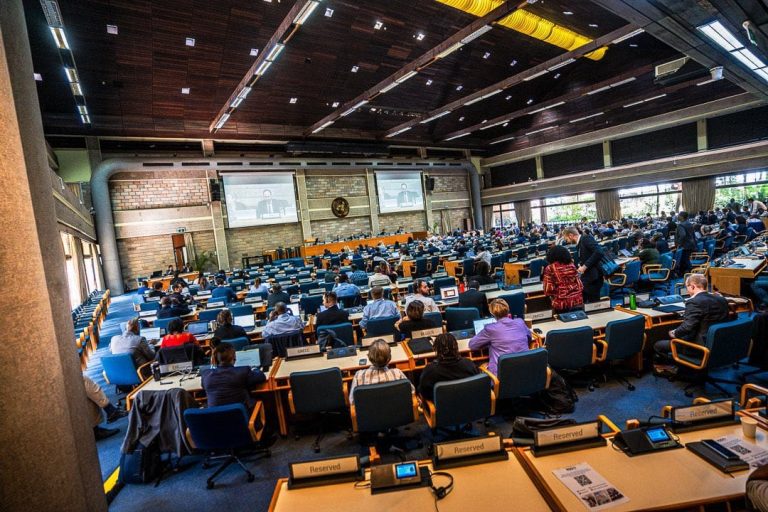
Delegates at the 3rd Session of the Intergovernmental Negotiating Committee (INC3) continued working toward the development of a UN Framework Convention on International Tax Cooperation. Friday’s discussions focused on Article 11 on capacity-building and technical assistance, the digitalization of tax administration, sustainability and funding, roles of the Secretariat and COP, and updates from Workstream II on cross-border services.
-
YTJN Nairobi Tax Talks RoundUp: Third Session of the Intergovernmental Negotiating Committee to Develop a UN Framework Convention on International Tax Cooperation – Day 4
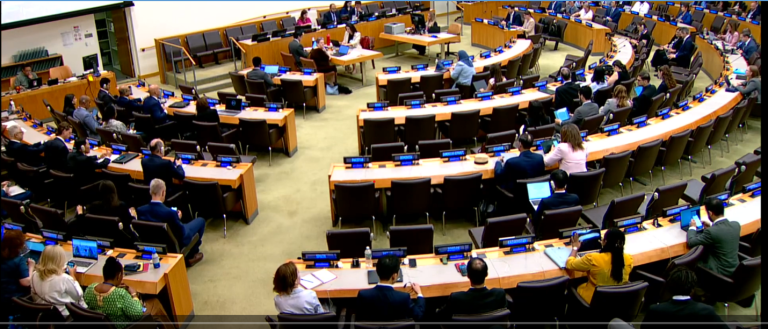
The third intergovernmental session on the UN Tax Convention, hosted in Nairobi, Kenya, has three main objectives: to review the draft text of the Framework Convention negotiations to reach a common understanding on the articles and protocols and develop a more coherent text in the coming months; to provide updates on progress made during the intersessional period on Protocol 1, concerning the taxation of income from cross-border services, with a view to presenting potential options and approaches for the committee’s consideration during the 4th session in February 2026; and to turn to Protocol 2, where the workstream has begun developing preliminary approaches outlined in the concept note.
-
YTJN Nairobi Tax Talks RoundUp: Third Session of the Intergovernmental Negotiating Committee to Develop a UN Framework Convention on International Tax Cooperation (Day 3 Recap)
Lurit Yugusuk, speaking for the Youth for Tax Justice Network, reminded the room that harmful tax practices don’t just affect balance sheets, they affect people.“Harmful tax practices erode national tax bases, weakening the capacity to finance education, healthcare, and infrastructure that children and youth depend on.” She called for expanding Article 8 beyond multinational enterprises to include high-net-worth individuals, private investment vehicles, and professional enablers. She also pushed for mandatory public disclosure of tax incentives and public country-by-country reporting, emphasizing that “secrecy has been the lifeblood of harmful tax practices.”
-
YTJN Nairobi Tax Talks RoundUp: Third Session of the Intergovernmental Negotiating Committee to Develop a UN Framework Convention on International Tax Cooperation
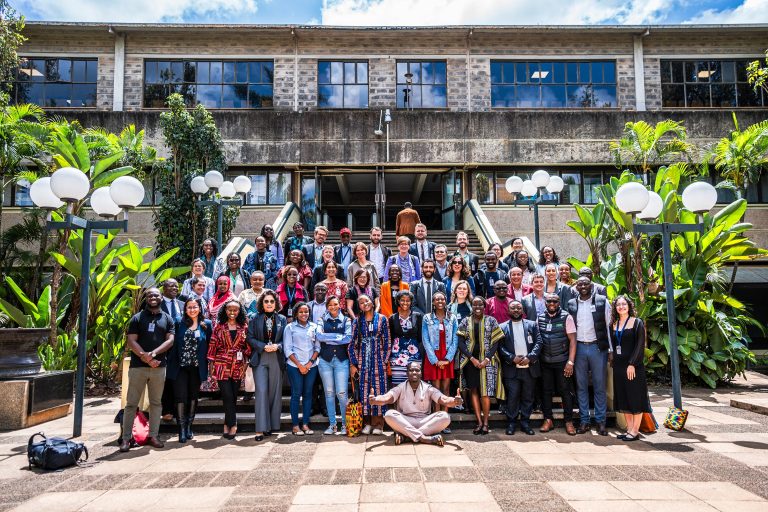
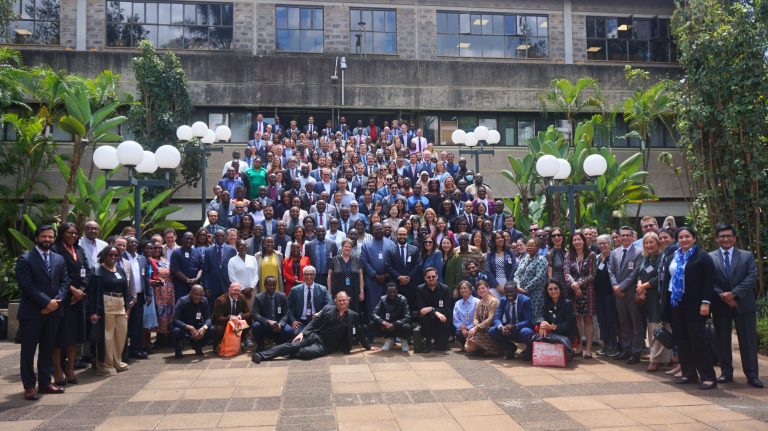
For youth participants, we see a distinct perspective, emphasizing that the current tax system often leaves Global South countries underfunded, limiting investments in youth employment, education, and digital access. We continue to highlight that failing to adapt taxation to modern digital economies risks perpetuating inequalities: large digital corporations operating in developing countries can avoid paying fair shares, while young entrepreneurs face regulatory burdens that stifle innovation. Civil society representatives reinforced these points, calling for tax rules that account for historical disparities between wealthy and developing nations. Discussions reflected a tension between protecting traditional national revenue sources and reforming systems to ensure equitable contributions from globalized business models.
-
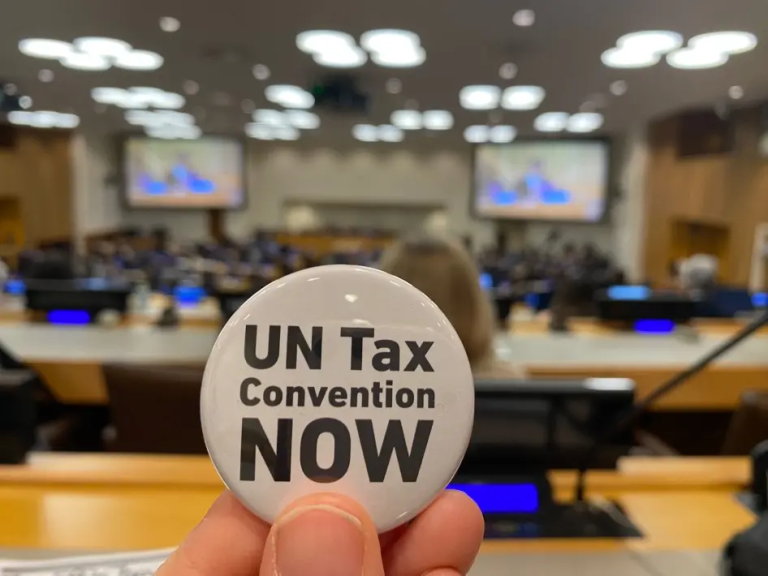
Third Session of UN Tax Convention Negotiations Kicks Off in Nairobi as Governments Begin Text-Based Discussions
For young people across Africa and the world, these negotiations represent more than just policy debates. They offer an unprecedented opportunity to shape an economic future focused on intergenerational equity, where every resource counts, and where fiscal justice becomes a tool for equality, innovation, and opportunity.
-
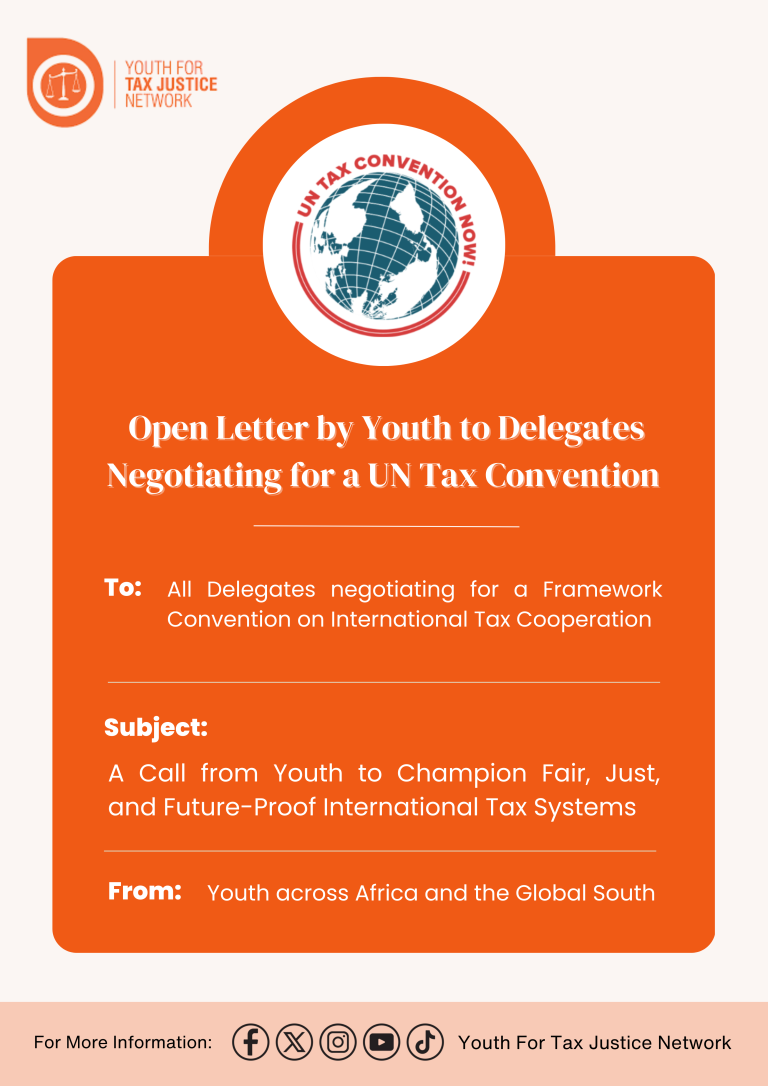
Youth Letter to Delegates Negotiating the UN Tax Convention Negotiations
We write to you as the Youth for Tax Justice Network (YTJN), a global, youth-led coalition advocating for inclusive and equitable
tax systems that serve the needs of both present and future generations across Africa and Europe. As the Intergovernmental
Negotiating Committee deliberates on the United Nations Framework Convention on International Tax Cooperation in New York,
we urge you to recognize this moment for what it is: a generational turning point. -
International Youth Day 2025 solidarity statement
As the Harare Declaration states, the African youth bulge as an engine for the continent’s structural transformation agenda is at risk of being a missed opportunity due to being saddled with accumulated debt, while potentially being locked out of accessing finance that is desperately needed to invest in them, and making them carry the burden of a mortgaged future. Instead of investing in our potential, governments are forced to divert billions to creditors, too often to lenders who prioritise profit over people. This is not only an economic imbalance; it is a generational betrayal. We thus demand debt and tax justice that put people and the planet first.
-
YTJN Input Into The UN Tax Convention Negotiations
YTJN welcomes the opportunity to contribute to this historic process. As a global youth-led network, we stress that international tax rules must prioritize intergenerational justice, equitable public service financing, and youth participation in decision-making. Tax policy directly impacts young people’s access to education, healthcare, climate resilience, and economic opportunities.