Apart from engaging in activism and lobbying, young people in the SADC area also use community-based projects to advance social justice and human rights. Numerous youth in the neighborhood participate in community-based initiatives that support social justice and human rights, especially in the fields of economic empowerment, health, and education.
The pathway to a just and youth-friendly tax regime is clear: policies must keep pace with the realities of young entrepreneurs, formal and informal, urban and rural alike. Only through ongoing reform, robust support systems, and genuine participatory tax justice can Uganda unlock the full power of its youth as architects of a more prosperous future.

As we approach World Environment Day on June 5, 2025, under the theme of “Beat Plastic Pollution,” we believe it is crucial to address the intertwined issues of plastic pollution and environmental degradation in our community.
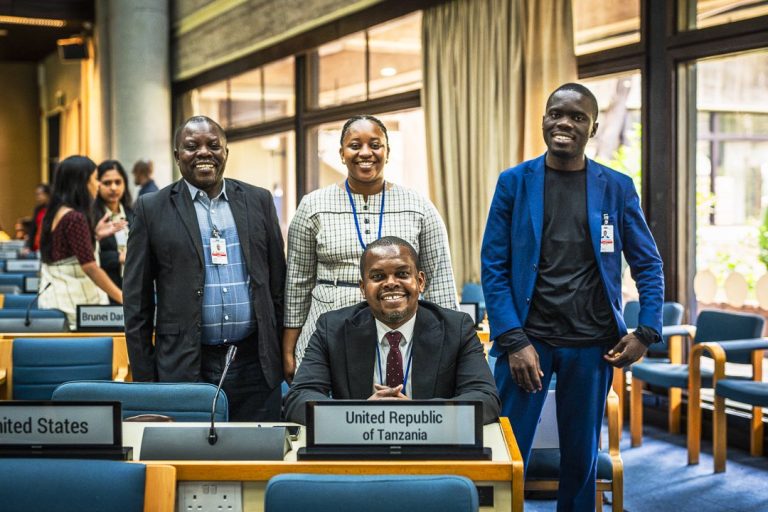
The conversation then drifted on questions on how to handle disputes in the absence of tax treaties. For developing countries, the answer was simple … “No treaty, no dispute-resolution mechanism.” For them, the Protocol should not create new legal bases.
But across the room, private sector voices insisted that disputes do not wait for treaties; businesses struggle with uncertainty, and governments lose revenue. They pressed for innovations, with some calling for strengthening MAP, others calling for coordinated unilateral Advance Pricing Agreements (APAs), and others for the view that temporary unilateral relief would prevent double taxation.

YTJN welcomes the opportunity to contribute to this historic process. As a global youth-led network, we stress that international tax rules must prioritize intergenerational justice, equitable public service financing, and youth participation in decision-making. Tax policy directly impacts young people’s access to education, healthcare, climate resilience, and economic opportunities.