Empowering Africa's youth to lead the fight for fair public finance and social justice. We unite young leaders across the continent to transform how resources are mobilized and shared-ensuring economic systems that work for everyone, today and tomorrow.
We operate primarily across Eastern and Southern Africa, with growing impact throughout the continent. Through strategic partnerships and youth-led advocacy, we're driving policy reforms and strengthening fiscal governance at national, regional, and continental levels-building a more just and equitable future for all Africans.
A prosperous and engaged youth enjoying their social, political, and economic rights in Africa.
To empower youth through informative, interactive and knowledge-based avenues to advocate for just and fair tax systems and optimum natural resource management and utilization to attain equitable and sustainable development for youth in Africa.
Hear directly from young leaders, explore our events, and see how youth voices are shaping the future of public finance across Africa.
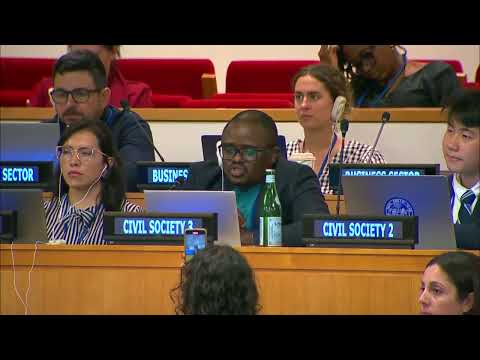
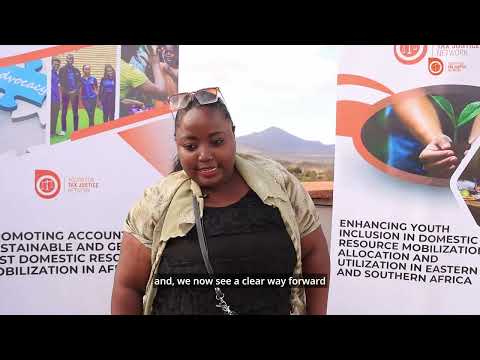




Stay connected with a growing community of young leaders learning together and taking collective action toward a just African economy. Share insights, discover opportunities, and be part of the movement transforming how public finance serves all Africans.
SubscribeDiscover how youth-led advocacy is transforming tax justice and public finance across Africa. Read real stories of change, impact, and progress from our network of young leaders.
Explore our collection of research, policy briefs, and insights developed by and for young people working on tax justice and public finance across Africa.
.png)
YTJN and Botswana Watch welcome the opportunity to provide input to the 2027/28 Budget Strategy Paper. We commend the Ministry for its commitment to fiscal transparency and for inviting stakeholder pa...

The paper underscores the direct connection between global tax injustice and Africa’s mounting public debt crisis. As governments struggle to mobilize sufficient domestic revenue, many turn to externa...

The message from children and young people is clear: they want climate action that protects their lives, strengthens their opportunities and gives them a real voice in decisions. UNICEF’s U-Report Con...

As a global youth-led coalition representing young people from over 100 countries, we base our submission on the Fifth Session discussions and our core principle that tax rules must serve the next gen...

As a global youth-led coalition, we base our submission on the Fifth Session discussions and the interests of young people worldwide. 78% of youth work in the gig and digital economy. We call on Membe...
Our partners share our commitment to youth-led economic justice and collaborate with us to amplify young voices, support research, and advance policy reforms across Africa. Together, we build on shared values of equity, transparency, and intergenerational justice to create lasting change.


