Similar Posts
Hits And Misses For The Youth In The 2021-2022 Budgets For Uganda, Kenya And Tanzania
It is high time the three countries moved to regulate the market prices of agricultural products and inputs and their transportation to curb price fluctuation. The three countries run free market economies where market prices are determined by the forces of demand and supply. These have resulted into price fluctuations which have caused losses to farmers.
World Environment Day 2025: Beat Plastic Pollution
As we approach World Environment Day on June 5, 2025, under the theme of “Beat Plastic Pollution,” we believe it is crucial to address the intertwined issues of plastic pollution and environmental degradation in our community.
YTJN Nairobi Tax Talks Day 7 RoundUp: Third Session of the Intergovernmental Negotiating Committee to Develop a UN Framework Convention on International Tax Cooperation
The conversation then drifted on questions on how to handle disputes in the absence of tax treaties. For developing countries, the answer was simple … “No treaty, no dispute-resolution mechanism.” For them, the Protocol should not create new legal bases.
But across the room, private sector voices insisted that disputes do not wait for treaties; businesses struggle with uncertainty, and governments lose revenue. They pressed for innovations, with some calling for strengthening MAP, others calling for coordinated unilateral Advance Pricing Agreements (APAs), and others for the view that temporary unilateral relief would prevent double taxation.A Statement from the Youth for Tax Justice Network on the June 25 Protests in Kenya
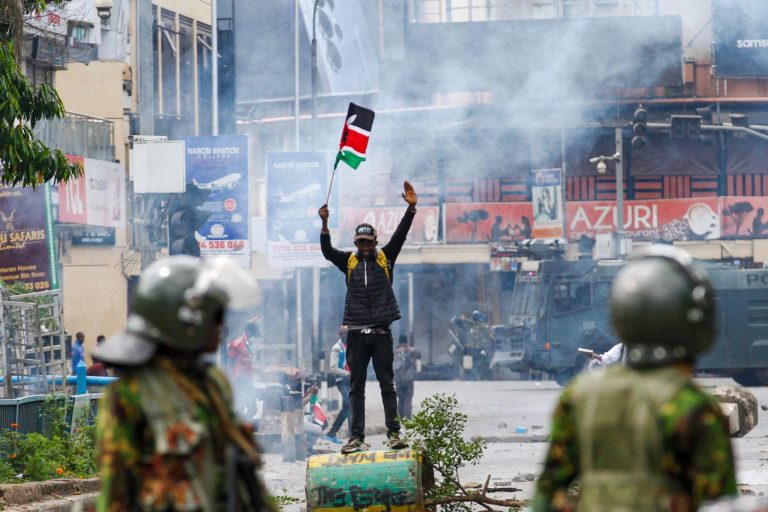
The Youth for Tax Justice Network (YTJN) stands in solidarity with young people across Kenya who gathered peacefully on June 25 to mark one year since the tragic events of June 2024, and
to continue calling for justice, good governance and economic accountability.YTJN Nairobi Tax Talks RoundUp: Third Session of the Intergovernmental Negotiating Committee to Develop a UN Framework Convention on International Tax Cooperation
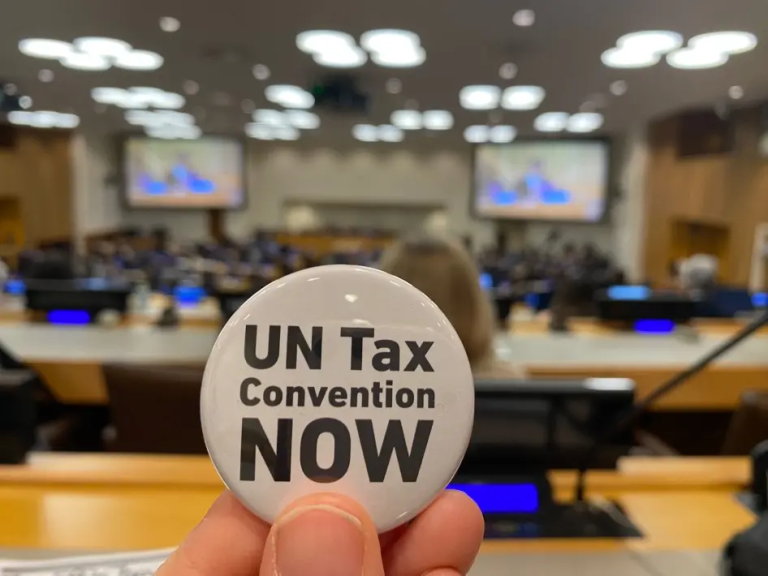
For youth participants, we see a distinct perspective, emphasizing that the current tax system often leaves Global South countries underfunded, limiting investments in youth employment, education, and digital access. We continue to highlight that failing to adapt taxation to modern digital economies risks perpetuating inequalities: large digital corporations operating in developing countries can avoid paying fair shares, while young entrepreneurs face regulatory burdens that stifle innovation. Civil society representatives reinforced these points, calling for tax rules that account for historical disparities between wealthy and developing nations. Discussions reflected a tension between protecting traditional national revenue sources and reforming systems to ensure equitable contributions from globalized business models.