
Similar Posts
YTJN Nairobi Tax Talks RoundUp: Third Session of the Intergovernmental Negotiating Committee to Develop a UN Framework Convention on International Tax Cooperation – Day 5
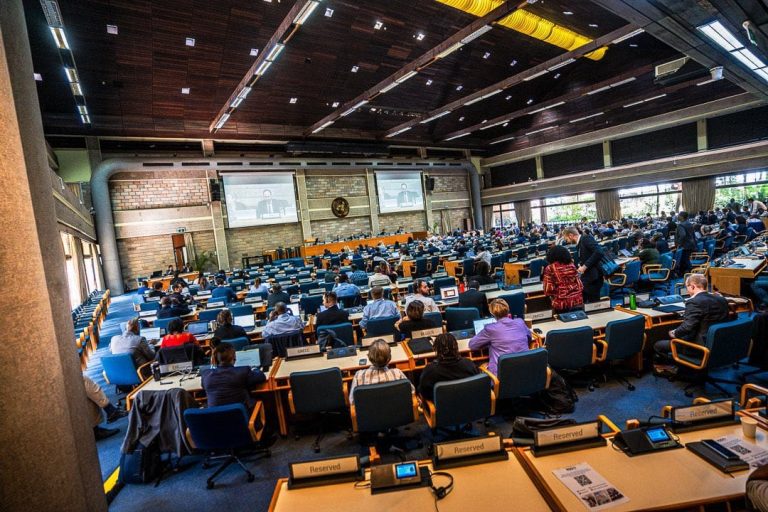
Delegates at the 3rd Session of the Intergovernmental Negotiating Committee (INC3) continued working toward the development of a UN Framework Convention on International Tax Cooperation. Friday’s discussions focused on Article 11 on capacity-building and technical assistance, the digitalization of tax administration, sustainability and funding, roles of the Secretariat and COP, and updates from Workstream II on cross-border services.
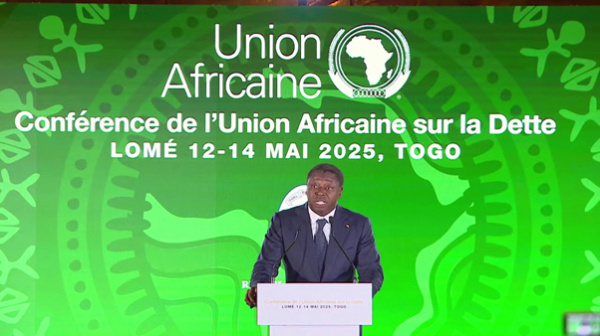
2025 Lome Declaration On Debt
Download Full Declaration
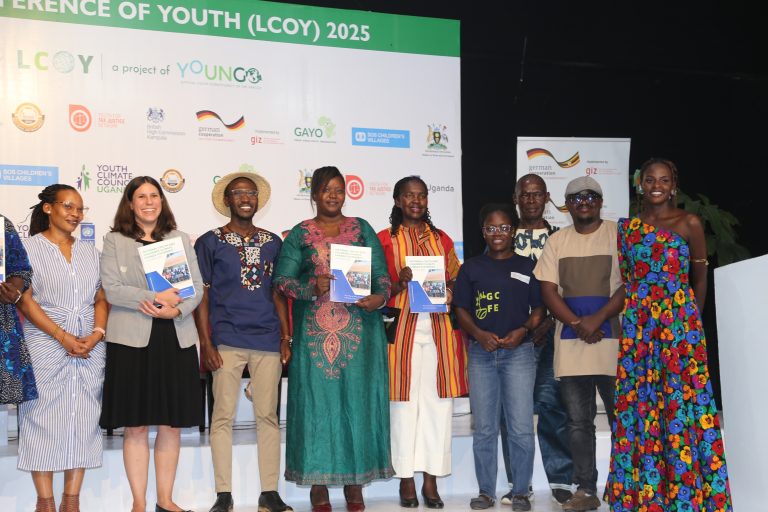
National Youth And Children’s Climate Change Statement – Uganda 2025
Beyond formal education, investment is needed to support child-centered eco-learning programs and community outreach initiatives that raise awareness and empower youth with the knowledge and skills necessary for climate action. Utilizing digital platforms, radio programs, and visual materials in local languages will further expand the reach of climate literacy, ensuring no young person is left behind in understanding the climate crisis and their role in solving it.
Prioritizing Children in the FY2025/26 Planning and Budgeting Process
Download Full Paper
YTJN Nairobi Tax Talks RoundUp: Third Session of the Intergovernmental Negotiating Committee to Develop a UN Framework Convention on International Tax Cooperation Day 6
Delegates agreed on the importance of preventing disputes before they occur. Yet tools like advance pricing agreements, joint audits, simultaneous examinations, and cooperative compliance programs remain unevenly accessible. Key views included support for a legal basis enabling cross-border preventive cooperation, strong calls for capacity-building, information-sharing, and improved access to timely data, and emphasis on strengthening information systems and exchange-of-information frameworks. Interests were also seen in optional cross-border prevention mechanisms backed by future best practices and CoP-led support.
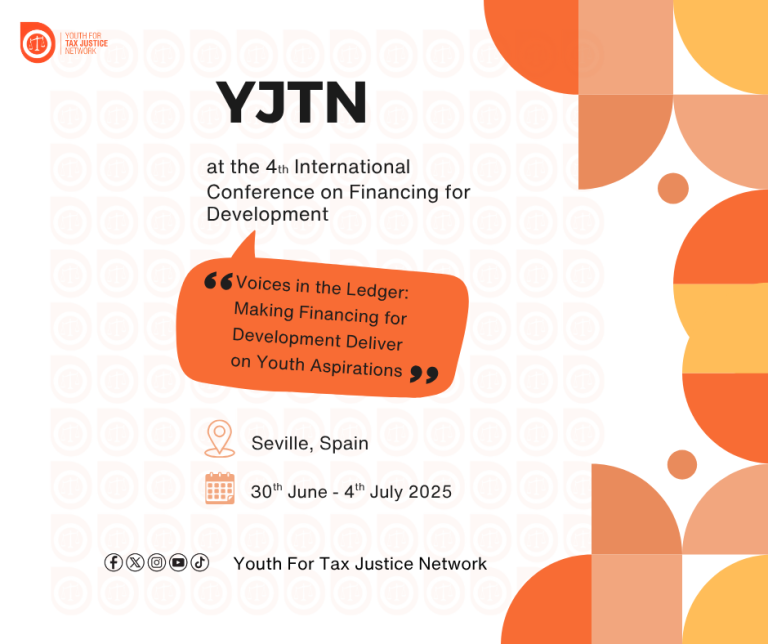
YTJN is centering youth In FfD4 agenda
The Youth for Tax Justice Network (YTJN), in collaboration with partners including, Africa-Europe Foundation and the Southern Africa Youth Forum (SAYoF) is spearheading a side event at the Fourth International Conference on Financing for Development (FfD4).