Similar Posts
Pan African Creative Arts Youth Competition 2025
Youth for Tax Justice Network (YTJN) proposes the Pan African Creative Arts Youth Competition. This initiative seeks to harness the creativity of African youth to foster innovative ideas and grassroots awareness around critical economic governance topics, including sovereign debt, the AfCFTA, climate finance, asset recovery, and the UN Framework Convention on International Tax Cooperation.
Reimagining The Mbeki Report For A New Generation
n 2015, the Mbeki Panel on Illicit Financial Flows (IFFs) unveiled a truth that shook the continent: Africa was losing over $50 billion every year through illicit financial flows, all these are resources that could have transformed education, health, and infrastructure. Reports by the United Nations Economic Commission for Africa (UNECA), UNCTAD and TJNA in recent years have underscored that these amounts are even higher in 2025. The report did more than expose a crisis; it offered a roadmap for reclaiming Africa’s wealth and strengthening domestic resource mobilization.
A decade later, that call for action still resonates, but it now meets a generation ready to act. The Youth for Tax Justice Network (YTJN) represents this renewed energy. It demonstrates the work young people are doing to advance the Mbeki Report’s vision through advocacy, policy dialogue, and youth-led campaigns that push for greater transparency, fair taxation, and accountability across Africa and beyond.
Moving from Echoes to Action
A key discussion point was the looming public debt crisis, driven more by domestic borrowing than external sources. This inward borrowing approach has the unintended effect of shrinking fiscal space and crowding out essential public services.
Dear Uncle
Write I will write againYou said I should not hold back if it’s of gainThe lamentation, the insights…
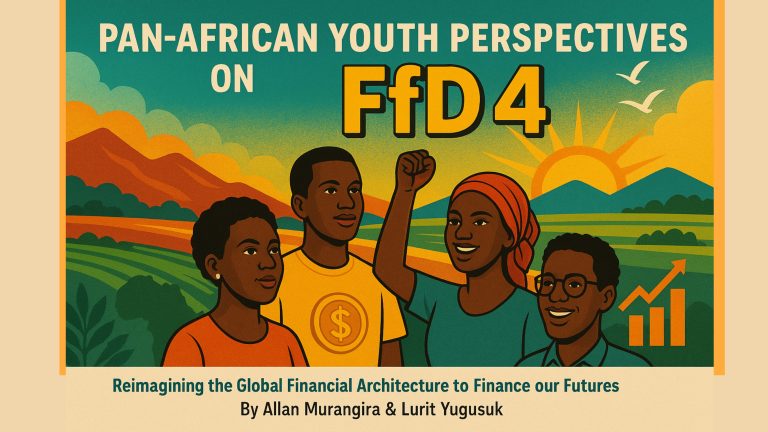
Pan African Youth Perspectives on FFD
Africa, home to the youngest and fastest growing population globally, has faced shrinking fiscal space, capital flight, and uneven access to international financial markets. For African youth, who not only represent over 70% of the continent’s population but also the continent’s potential drivers of innovation and growth, these challenges translate into restricted opportunities, heightened vulnerabilities, and a fragile future.
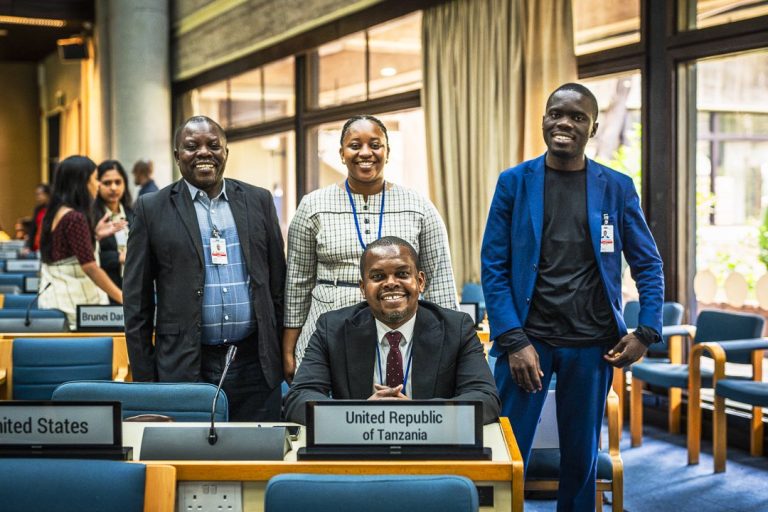
YTJN Nairobi Tax Talks Day 7 RoundUp: Third Session of the Intergovernmental Negotiating Committee to Develop a UN Framework Convention on International Tax Cooperation
The conversation then drifted on questions on how to handle disputes in the absence of tax treaties. For developing countries, the answer was simple … “No treaty, no dispute-resolution mechanism.” For them, the Protocol should not create new legal bases.
But across the room, private sector voices insisted that disputes do not wait for treaties; businesses struggle with uncertainty, and governments lose revenue. They pressed for innovations, with some calling for strengthening MAP, others calling for coordinated unilateral Advance Pricing Agreements (APAs), and others for the view that temporary unilateral relief would prevent double taxation.