
Delegates agreed on the importance of preventing disputes before they occur. Yet tools like advance pricing agreements, joint audits, simultaneous examinations, and cooperative compliance programs remain unevenly accessible. Key views included support for a legal basis enabling cross-border preventive cooperation, strong calls for capacity-building, information-sharing, and improved access to timely data, and emphasis on strengthening information systems and exchange-of-information frameworks. Interests were also seen in optional cross-border prevention mechanisms backed by future best practices and CoP-led support.
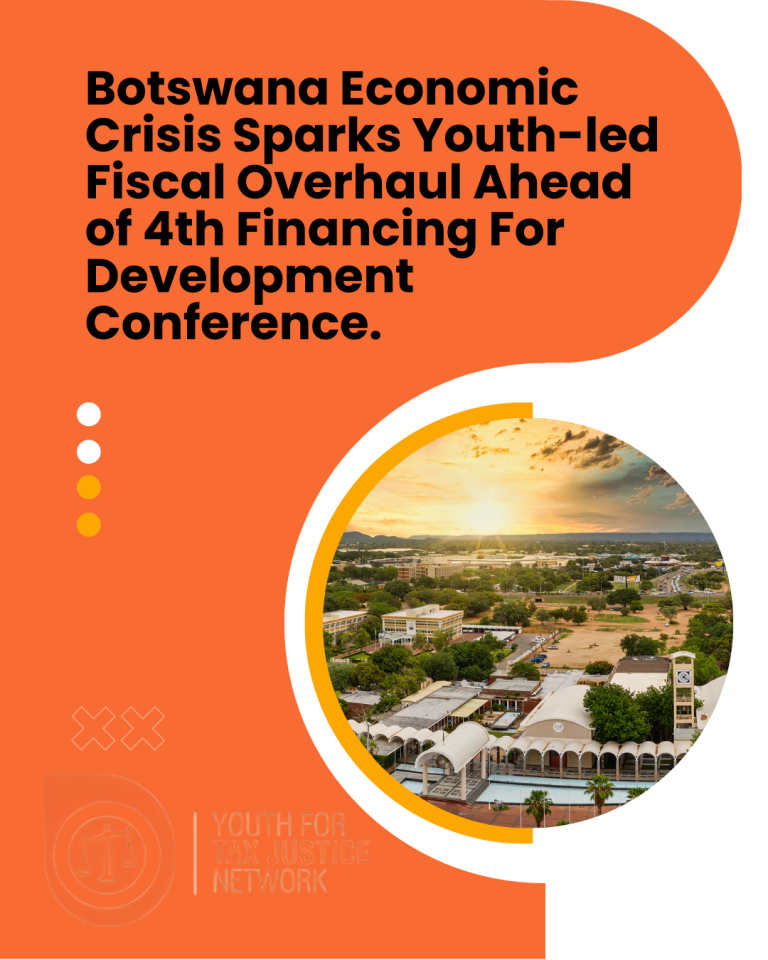
As Batswana grapple with a BWP 22 billion budget deficit (9% of GDP in 2024), rising public debt of 27.4% of GDP, squeezing funds for youth-centric programs and youth unemployment at 43.86%, underscoring the urgency of prioritizing job creation and social services for the nation’s youth-dominated population (70% under 35), the FfD4 presents an opportunity for Batswana to redefine global rules on sovereign debt, a critical issue for Botswana as diamond revenue volatility strains public finances.
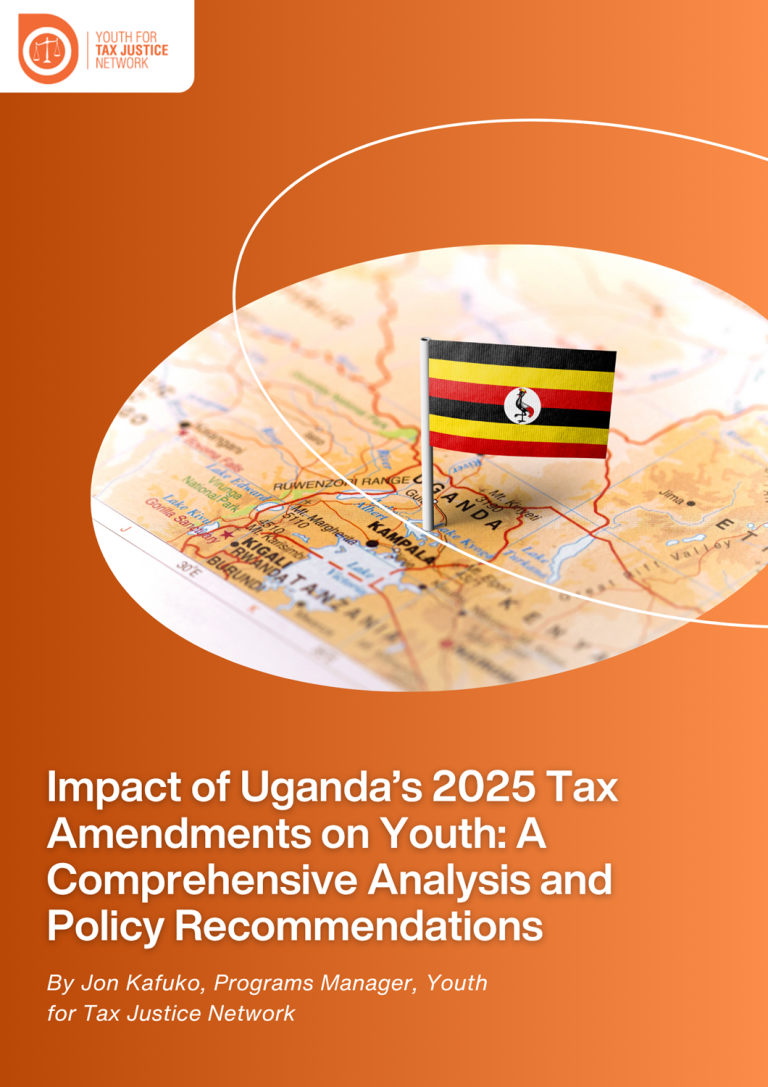
The pathway to a just and youth-friendly tax regime is clear: policies must keep pace with the realities of young entrepreneurs, formal and informal, urban and rural alike. Only through ongoing reform, robust support systems, and genuine participatory tax justice can Uganda unlock the full power of its youth as architects of a more prosperous future.
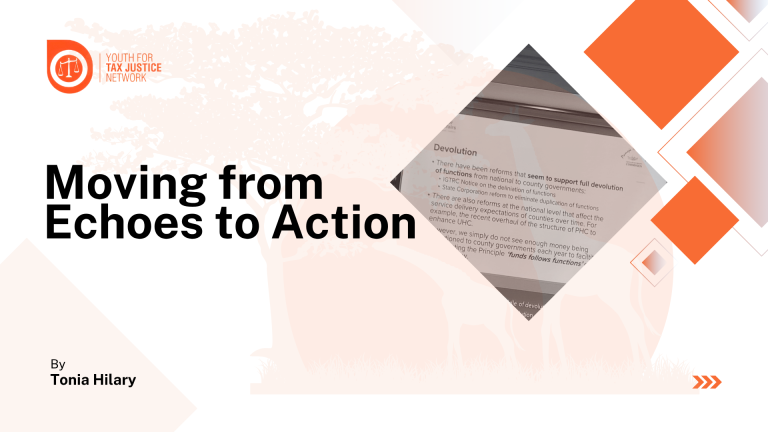
A key discussion point was the looming public debt crisis, driven more by domestic borrowing than external sources. This inward borrowing approach has the unintended effect of shrinking fiscal space and crowding out essential public services.
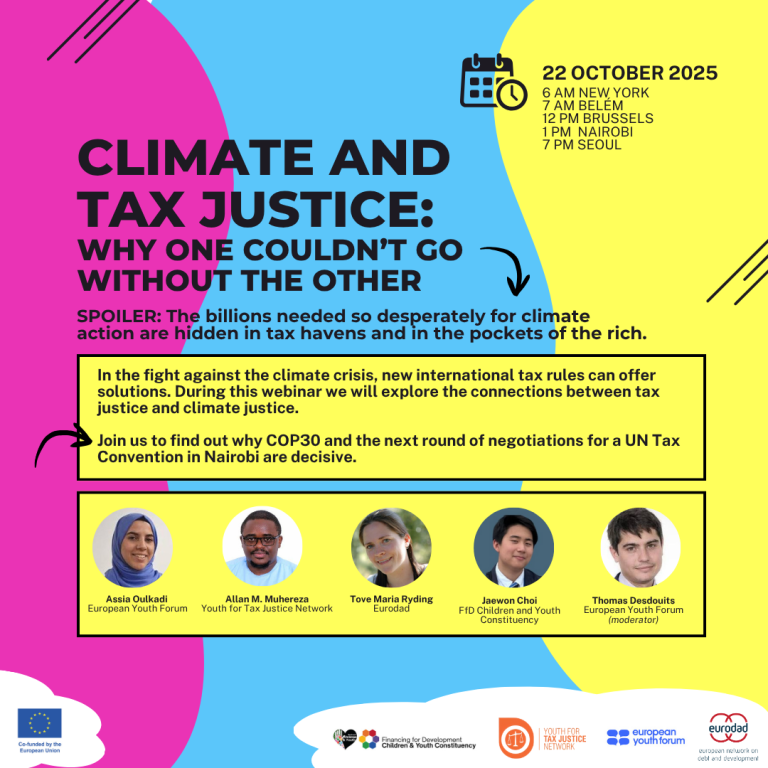
This November, young people from across the world come together to explore an urgent connection that few are talking about: how the UN Climate Conference (COP 30) in Belém and the UN negotiations for a Framework Convention on International Tax Cooperation in Nairobi are part of the same story.
Apart from engaging in activism and lobbying, young people in the SADC area also use community-based projects to advance social justice and human rights. Numerous youth in the neighborhood participate in community-based initiatives that support social justice and human rights, especially in the fields of economic empowerment, health, and education.